The Short Answer
To use a scalp massager for hair growth, work in small sections and press the bristles firmly enough to move the scalp skin, not just the hair, in slow circles or short strokes. Cover the whole scalp in four to five minutes, every day, wet or dry. A small 2016 study found daily four-minute massage thickened existing hairs over 24 weeks, so give it six months.
Top Picks: Best Scalp Massager
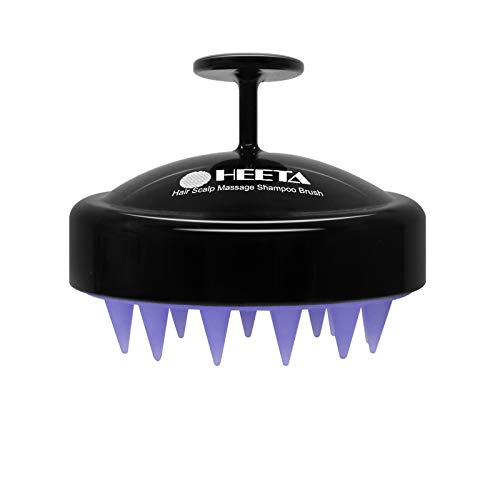 Check Price
Best Overall
HEETA Scalp Massager Hair Scrubber for Dandruff Removal (Soft Silicone)
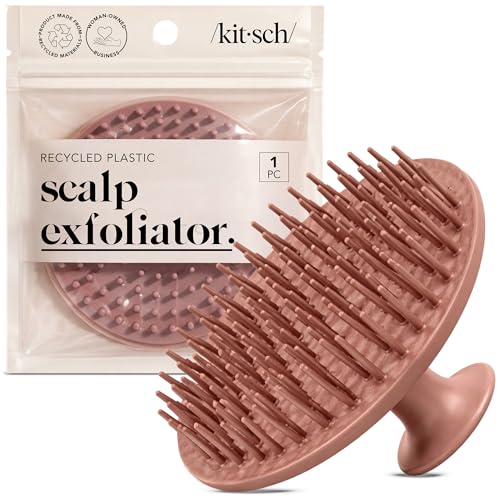 Check Price
Best Budget
Kitsch Scalp Massager Shampoo Brush
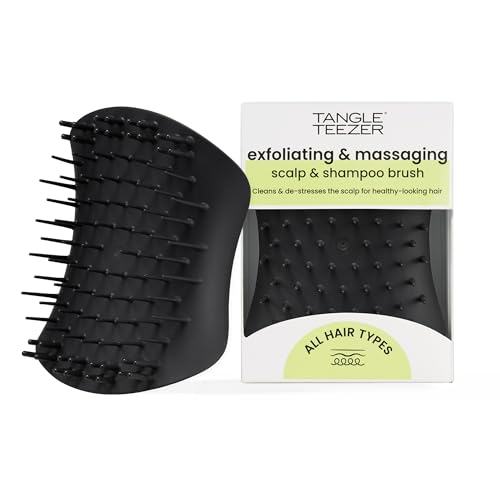 Check Price
Best for Thicker Hair
Tangle Teezer Scalp & Shampoo Brush to Exfoliate & Massage
Written by HairGrowthReviews Editorial Team
Reviewed by Ernesta Malinauskytė, PhD, Director of Hair Research, TRI Princeton
Updated 2026-11-24 · Independently researched · How we review
We may earn a commission when you buy through our links, at no cost to you. As an Amazon Associate we earn from qualifying purchases. How we research
The Short Version
- The key is moving the scalp skin over the skull, not scrubbing the hair. Press firmly, then make slow circles or short strokes without dragging the bristles across the skin.
- Aim for four to five minutes a day, every day. The best-known study used four minutes of daily massage for 24 weeks.
- In that 2016 pilot study of nine healthy men, hair shafts became thicker on average, but the number of hairs did not change significantly.
- Use a silicone massager in the shower with shampoo or on a dry scalp, and an electric one wherever is most comfortable. Consistency matters more than the tool.
- Massage is a supporting habit. For pattern hair loss, pair it with minoxidil or another tested treatment, and judge results with photos at six months.
On This Page · 11 sections
Knowing how to use a scalp massager for hair growth is more useful than owning an expensive one. Silicone shampoo brushes cost a few dollars, electric massagers cost more, and both do the same basic job: they press and move the skin of your scalp. Done the right way, every day, that simple motion is the habit behind the small but encouraging research on scalp massage and hair thickness.
Done the wrong way, a massager mostly tangles hair, scratches the skin or gets used twice and forgotten in a drawer. The difference comes down to a few details: pressure, motion, time and consistency. None of them is difficult, and once the routine is set it takes less time than brushing your teeth.
This guide covers what the research actually tested, how to choose between a silicone and an electric massager, a step-by-step technique, how often and how long to massage, whether to use it wet or dry, how to combine it with oils and minoxidil, how to keep the tool clean and the mistakes to avoid. For the evidence in more depth, see our explainer on whether scalp massage helps hair growth. If you need a tool, our guide to the best scalp massager compares silicone brushes and electric models.
What the Scalp Massage Research Actually Tested
The study most often cited is a small Japanese pilot study by Koyama and colleagues, published in 2016 in the journal Eplasty. Nine healthy men received four minutes of standardized scalp massage every day for 24 weeks, using a handheld massage device. At the end, their hair shafts were measurably thicker on average. The number of hairs did not change significantly.
The same paper included laboratory work in which dermal papilla cells, the cells at the base of the follicle that direct hair growth, were stretched mechanically. The stretching changed the activity of genes linked to the hair cycle. The researchers proposed that massage transmits a similar stretching force to the follicle, which is why technique matters: the goal is to move and gently stretch the scalp skin.
The number of hairs did not change significantly.
A later survey study asked several hundred people with pattern hair loss who had been taught a twice-daily standardized massage routine how their hair had responded. A majority reported that their hair loss had stabilized or improved, and those who reported more time and effort tended to report better results. Self-reports have obvious limits, since many respondents were probably using other treatments too.
The honest summary is that the evidence is small and early. The pilot had nine men without diagnosed hair loss and no comparison group. It points to thicker existing hairs, not new ones, which is still useful because thicker strands make hair look fuller. That makes massage a low-risk supporting habit rather than a stand-alone treatment.
Silicone, Electric or Fingertips: Which to Use
A silicone shampoo brush is the best starting point for most people. It is cheap, waterproof, easy to clean and gives you full control over pressure. Soft, flexible bristles suit sensitive scalps and daily use, while firmer bristles reach the scalp more easily through thick or curly hair.
An electric massager does the motion for you. Waterproof models can be used in the shower, and some have rotating heads or kneading nodes. They are a good choice if your hands or wrists tire easily, or if you are more likely to stick with a routine that feels like a treat. The pilot study used a device rather than fingertips, though the important part appears to be the scalp movement, not the motor.
pick the one you will actually use every day
Your fingertips are free and work well. Use the pads of your fingers, not your nails, press firmly and move the skin in small circles. The drawback is fatigue: four or five minutes of firm finger massage is harder than it sounds, and many people ease off after a minute.
Whichever you choose, pick the one you will actually use every day. A ten-dollar brush used daily for six months will do more than a premium device that sits in a cupboard.
| Best For | Watch Out For | |
|---|---|---|
| Soft silicone brush | Sensitive scalps, daily shower use, low cost | May not reach the scalp through very thick hair |
| Firm silicone brush | Thick, dense or curly hair | Too much pressure can irritate a thin scalp |
| Electric massager | Tired hands, consistency, relaxing routine | Higher cost; check waterproofing before shower use |
| Fingertips | Free, travel, any time | Hand fatigue; never use nails |
How to Use a Scalp Massager, Step by Step
Step one: detangle first. Brush or finger-comb your hair so the massager does not catch on knots. If you have long, curly or coily hair, divide it into four to six loose sections and work on one at a time.
Step two: place the massager flat against the scalp and press. Use enough pressure that you can feel the scalp skin move over the skull underneath, like moving the skin on the back of your hand. Firm and comfortable is the target. It should never hurt, scratch or leave marks.
Use enough pressure that you can feel the scalp skin move over the skull underneath
Step three: move the skin, not the hair. Keeping the bristles in contact, make slow, small circles, or short back-and-forth strokes, for a few seconds. Then lift the massager, move it to the next spot and repeat. Lifting and placing rather than dragging prevents tangles and avoids scratching the skin.
Step four: cover the whole scalp in a set pattern. A simple route is to start at the front hairline and work back to the crown, then from the temples over the sides to behind the ears, and finally the back of the head down to the nape. Spend a little extra time on the crown and top of the head, where pattern thinning usually starts. The full circuit should take four to five minutes.
How Often and How Long to Use a Scalp Massager
Four to five minutes a day is the sweet spot. It matches the four minutes used in the pilot study, takes very little time and is easy to repeat. In the survey study, respondents used longer, twice-daily routines, so if you enjoy it, splitting the time into a morning and evening session is fine.
Every day matters more than long sessions. The mechanical-stretch idea depends on repeated stimulation over months, and the study ran daily for 24 weeks. A 20-minute session once a week is not a substitute for daily massage, and it is harder on the skin.
Every day matters more than long sessions.
Tie massage to something you already do. In the shower with shampoo, while minoxidil is not on your scalp, or during a few minutes of downtime before bed all work. A routine anchored to an existing habit is far more likely to last six months.
Plan on six months before judging the result. That matches the 24-week study, and hair grows only about half an inch a month, so thicker strands take time to become visible.
Our #1 pick for scalp massager
HEETA Scalp Massager Hair Scrubber for Dandruff Removal (Soft Silicone)
The default choice: comfortable, cheap and easy to use at every wash. Start here before spending more.
Should You Use a Scalp Massager Wet or Dry?
Both work. The research focused on the massage itself, not on whether hair was wet. Choose whichever fits your routine and hair type.
Wet, in the shower, is the most popular option for silicone brushes. Shampoo helps the bristles glide, and you can massage while you wash, which makes the habit effortless. It also helps lift flakes and product buildup. Keep pressure moderate, because wet hair is more fragile and stretches more easily, and avoid dragging the brush through long wet hair.
Both work.
Dry use suits daily massage on days you do not wash, and it is the usual way to use electric massagers that are not waterproof. On dry hair, lifting and placing the tool is especially important to avoid tangles and static. It is also a good way to spread a small amount of oil before a pre-wash treatment.
If you wash your hair only once or twice a week, which is common with curly and coily hair, use the massager dry on the other days so you can still massage daily without extra washing.
Using a Scalp Massager With Oils and Minoxidil
Oils are optional. Many people like to massage a few drops of a carrier oil, or a diluted rosemary oil blend, into the scalp before washing. The massager helps spread the oil evenly and makes the routine feel like a treatment. Keep rosemary essential oil diluted to about 1 to 2 percent, patch test first, and shampoo the oil out afterward.
With minoxidil, timing matters. Minoxidil should be applied to a clean, dry scalp and left to dry. Do your massage before applying it, not right after, so you do not rub the solution off or spread it onto your forehead and face, where it can cause unwanted hair growth. A simple order is shower and massage, dry the scalp fully, then apply minoxidil.
Do your massage before applying it, not right after
Avoid massaging immediately after microneedling or derma rolling, when the skin is more vulnerable, and keep oils off freshly needled skin. Leave a day or two before resuming firm massage.
Massage pairs well with every tested treatment because it adds no drug and little risk. For pattern hair loss, minoxidil, and for men finasteride on prescription, remain the core treatments, with daily massage as a relaxing supporting step.
How to Clean and Care for a Scalp Massager
Rinse a silicone massager after every use to remove shampoo, oil and hair. Once a week, wash it with warm water and a little gentle soap or shampoo, working the suds between the bristles, then rinse well.
Dry it bristles down or on its side, somewhere it can air out. Storing a wet massager in a closed space encourages mildew. If you use it in the shower, a hook or a well-ventilated shelf is better than a closed caddy.
Rinse a silicone massager after every use
For electric massagers, follow the manufacturer's cleaning instructions. Many have removable heads that can be washed, while the body should only be wiped. Check that charging ports are dry before charging.
Replace a silicone brush if the bristles split, harden or become sticky, and do not share massagers with someone who has a scalp infection, lice or a contagious skin condition.
Common Mistakes, and Who Should Be Careful
Scrubbing too hard is the most common mistake. Pressing so firmly that it hurts, or scratching the skin with fast strokes, can cause irritation, redness and broken skin. Move the skin firmly but gently, and ease off if your scalp feels sore afterward.
Dragging the massager through long hair causes tangles and breakage, which undoes the goal of fuller-looking hair. Lift and place instead, and work in sections if your hair is long or textured.
Scrubbing too hard is the most common mistake.
Giving up too soon is the other big mistake. A few weeks is not enough to see thicker hair. If you enjoy the routine, keep it daily for six months, take photos at the start and every couple of months, and judge it then.
Skip massage on broken, infected or inflamed skin, during a flare of psoriasis or eczema on the scalp, and after a hair transplant until your surgeon says it is safe. If your hair loss is sudden, patchy, painful or scaly, or comes with other symptoms, see a doctor, because massage cannot treat conditions such as alopecia areata, thyroid disease or iron deficiency.
Frequently Asked Questions
How long should I use a scalp massager each day?
Four to five minutes a day is enough. That matches the four minutes of daily massage used in the 2016 pilot study. You can split it into two short sessions if you prefer, but daily consistency matters more than longer sessions.
Do scalp massagers actually help hair growth?
The evidence is small but encouraging. In a 2016 pilot study of nine healthy men, four minutes of daily massage for 24 weeks made existing hairs thicker, although the number of hairs did not change significantly. It is best used as a supporting habit alongside a tested treatment such as minoxidil.
What is a good scalp massager?
For most people, a simple silicone shampoo brush with flexible bristles is a good, inexpensive choice. Choose firmer bristles for thick or curly hair, softer ones for a sensitive scalp, and an electric model if comfort and convenience will keep you consistent. Our guide to the best scalp massager compares the options.
Can I use a scalp massager every day?
Yes, as long as you use moderate pressure and avoid scratching. Daily use is what the research tested. Ease off if your scalp becomes sore, red or irritated, and skip broken or inflamed areas.
Is it better to use a scalp massager wet or dry?
Either works. Wet use in the shower with shampoo is easy and helps lift buildup, while dry use suits non-wash days and electric models. Lift and place the massager rather than dragging it, especially on long or wet hair.
Should I use a scalp massager before or after minoxidil?
Before. Massage first, make sure your scalp is clean and dry, then apply minoxidil and let it dry. Massaging right after applying minoxidil can rub it off or spread it to your face.
Can a scalp massager cause hair loss?
Used gently, it should not. Dragging it through tangled hair can break strands, and very hard scrubbing can irritate the scalp. You may notice a few hairs come out during massage, which are usually hairs that were already shedding naturally.
The Bottom Line
To use a scalp massager for hair growth, press firmly enough to move the scalp skin, make slow circles, lift and place rather than drag, and cover the whole scalp in four to five minutes every day. A small 2016 study found that routine thickened existing hairs over 24 weeks, so give it six months. Massage before minoxidil, keep the tool clean, and treat it as a relaxing supporting habit alongside a tested treatment.
Related Questions
- Does Scalp Massage Help Hair Growth? →
- How to Use Rosemary Oil for Hair Growth (and How to Make It) →
- How Often Should You Derma Roll Your Scalp? →
- How Long Does Minoxidil Take to Work? →
- How to Make Your Hair Grow Faster: 12 Tips That Actually Help →
- Rosemary Oil vs. Minoxidil: Which Is Better for Hair Loss? →
Buyer's Guides
Hair Care
Best Scalp Scrub
A good scalp scrub clears product buildup, excess oil and dead skin that shampoo leaves behind, for a fresher scalp and lifted roots. These are the best physical and chemical scalp exfoliants, and how to use them gently.
Hair Growth & Hair Loss
Best Rosemary Oil for Hair Growth
Rosemary oil earned its following from a 2015 trial that put it head to head with 2% minoxidil. It is a promising, low-cost, drug-free scalp ritual. Here is how to choose a pure oil or a ready-made blend, and how to use it safely.
Hair Growth & Hair Loss
Best Minoxidil for Men
Every product here contains 5% minoxidil, the only topical hair regrowth drug the FDA has approved for men. What separates them is the vehicle, how gentle they are on your scalp, and the value per month.