Our Picks at a Glance
- 1
 Check Price →
- 2
 Check Price →
- 3
 Check Price →
Best Budget Minoxidil
Kirkland Signature Minoxidil 5% Topical Solution for Men (6-Month Supply) - 4
 Check Price →
Best Laser Device
iRestore Professional Laser Hair Growth System (282 Lasers & LEDs) - 5
 Check Price →
- 6
 Check Price →
- 7
 Check Price →
Best Microneedling Tool
Koi Beauty Professional Derma Roller with 200 Titanium Microneedles - 8
 Check Price →
- 9
 Check Price →
- 10
 Check Price →
Best Instant Cover-Up
Toppik Hair Building Fibers, Dark Brown (27.5 g)
The Short Version
- 5% minoxidil is the best hair growth product for most people with pattern loss: it is the only over-the-counter topical FDA-approved to regrow hair, in both men and women.
- Rogaine 5% foam is the easiest minoxidil to live with; Kirkland Signature 5% solution delivers the same drug for a fraction of the price.
- The iRestore Professional is our FDA-cleared laser pick, Nizoral is the best shampoo add-on, and Toppik is the best instant cover-up while treatments take effect.
- Supplements, peptide serums and rosemary oil sit in a lower evidence tier: reasonable supporting players, not replacements for minoxidil.
- Match products to your cause and give any routine at least six months: pattern loss needs a treatment, sudden shedding needs bloodwork, and patchy or painful loss needs a doctor.
On This Page · 14 sections
The hair growth aisle is crowded with products that all sound equally convincing: foams, shampoos, capsules, serums, oils, rollers, laser helmets and fibers, many of them promising fuller hair in weeks. They are not equally convincing. A small number of products are backed by large controlled trials and regulatory review. A larger group has reasonable but smaller-scale evidence. And a long tail relies almost entirely on plausible-sounding ingredients and good marketing. The best hair growth products are the ones whose evidence matches the claim on the box, and whose job matches the reason you are losing hair in the first place.
So instead of ranking dozens of near-identical products against each other, this guide picks the single best product in each category that matters: a minoxidil treatment (in its men's and women's labeling), a budget minoxidil, a laser device, a medicated shampoo, a supplement, a microneedling tool, a serum, an oil and a cosmetic cover-up. That structure mirrors how hair loss is actually treated. Nobody needs ten products, but most people do best with two to four from different categories, chosen for their cause and stage of thinning. Each pick points you to a dedicated category guide, such as our best minoxidil for men, best laser cap for hair growth and best hair growth vitamins roundups, where we compare the leading contenders in depth.
This is our gender-neutral overview. If you would rather see a shortlist built around one sex, our best hair growth products for men guide leans on finasteride-friendly stacks and saw palmetto, and our best hair growth products for women guide covers once-daily routines, postpartum shedding and part-line concealers. Everything here is ranked on published research, regulatory status, tolerability and long-term cost, not on hands-on testing or Amazon star ratings, and every product links to its exact Amazon listing. Read past the picks, too: the sections on evidence tiers, stacking, budgets and timelines are where most people save money and avoid quitting a good product too early.
How We Chose One Product per Category
Most hair growth roundups rank a long list of serums and supplements against each other as if they were interchangeable. They are not. A minoxidil foam, a laser helmet and a bottle of fibers do completely different jobs, and comparing them on a single scale tells you very little. So we started with categories, not products: the ten or so types of hair growth product that people genuinely buy, from FDA-approved drugs to purely cosmetic cover-ups. Within each, we chose the one product we would recommend to most people.
Each pick was judged on five things. First, the strength of the published evidence for its active ingredient or technology, from large randomized trials down to supplier-run lab studies. Second, regulatory status: whether it is an FDA-approved drug, an FDA-cleared device, an over-the-counter anti-dandruff drug, a dietary supplement or a cosmetic. Third, safety and tolerability, because a treatment you stop using after a month has no effect at all. Fourth, the cost of using it for at least a year, since most hair treatments are long-term. And fifth, how well it fits alongside the other categories in a routine.
A minoxidil foam, a laser helmet and a bottle of fibers do completely different jobs, and comparing them on a single scale tells you very little.
This is a research-based guide. We did not run our own clinical trials, and we never quote Amazon star ratings or review counts as evidence. Where our category guides have already compared the contenders in depth, our picks here match their winners or, where a category guide ranks for a narrower need, the product that suits the widest range of readers. Scores are our editorial verdict out of five and stay consistent with those other guides.
One honest caveat up front: the gap between the top of this list and the bottom is not a matter of taste. Minoxidil has decades of controlled trials behind it. Peptide serums and rosemary oil have a handful of small studies. Both can earn a place in a routine, but they are not equals, and the order of the list reflects that.
How to Choose: Start With the Cause and Stage of Your Hair Loss
The most important decision is not which brand to buy; it is working out what kind of hair loss you have. Different causes respond to completely different products, and an excellent product aimed at the wrong cause will do nothing. The main patterns are easy to recognize, and a dermatologist can usually confirm the diagnosis in a single visit with a scalp exam and, if needed, bloodwork.
The best hair growth product for you is the one that matches the reason your hair is thinning. A supplement will not stop genetic pattern loss, and minoxidil will not fix iron deficiency. Get the diagnosis right first, and product choice becomes simple.
The best hair growth product for you is the one that matches the reason your hair is thinning.
Stage matters almost as much as cause. Treatments are far better at keeping and thickening existing hair than at regrowing hair on scalp that has been smooth for years, because long-bald areas may have few living follicles left to respond. That makes early action the single biggest advantage you can give yourself, and it is why a slightly thinner crown or a part that looks wider in photos is worth taking seriously.
Pattern hair loss (androgenetic alopecia)
The most common cause in both sexes. In men it shows up as a receding hairline, a thinning crown or both, tracked on the Norwood scale; in women it usually appears as a widening part and diffuse thinning on top, tracked on the Ludwig scale. It is driven by genetics and sensitivity to DHT, progresses slowly, and responds best to minoxidil, with finasteride for men or other prescription anti-androgens for women as the next step under a doctor's care. Ketoconazole shampoo, laser therapy and microneedling are useful add-ons.
Sudden diffuse shedding (telogen effluvium)
Handfuls of hair in the shower two to three months after an illness, surgery, crash diet, major stress or childbirth usually point to telogen effluvium. It often settles on its own within months once the trigger has passed. Bloodwork for ferritin, thyroid function and vitamin D is the most useful first step, and a targeted supplement makes sense only if something comes back low. Fibers and volumizing products help hair look fuller while you wait.
Scalp-driven shedding
Dandruff, seborrheic dermatitis and an itchy, inflamed scalp can make thinning worse and are highly treatable. A ketoconazole shampoo like Nizoral is the first thing to try. If symptoms persist after a month or so of regular use, see a dermatologist.
Patchy loss, scarring or pain
Round bald patches (often alopecia areata), redness, scaling, pain, or shiny scarred areas need a dermatologist, not a product from Amazon. Some of these conditions cause permanent loss if they are not treated promptly, and none of the products on this page is designed for them.
The 10 Best Hair Growth Products, One per Category
Our top pick in each category, ranked on the strength of the evidence, regulatory status, tolerability and long-term cost. The first three are FDA-approved minoxidil; everything after supports or complements them.
Men's Rogaine 5% Minoxidil Topical Foam (3-Month Supply)
5% Minoxidil Foam
Best for: Men with a thinning crown or receding hairline who want the best-tolerated proven treatment
- Active
- 5% minoxidil
- Status
- FDA-approved OTC drug
- Dose
- Half capful, twice daily
- Supply
- 3 cans (about 3 months)
If you buy one hair growth product, make it minoxidil. It is the only over-the-counter topical ingredient FDA-approved to treat pattern hair loss, and it has decades of randomized, placebo-controlled trials behind it. Minoxidil works by prolonging the growth phase of the hair cycle and enlarging miniaturized follicles, a mechanism that does not depend on blocking DHT. That is why it combines so well with nearly everything else on this list, from prescription finasteride to laser devices and medicated shampoos.
We pick Rogaine's 5% foam over liquid formulas because it is the easiest version to stay on. The foam is free of propylene glycol, the solvent most often blamed for the itching and flaking people associate with minoxidil, and it dries quickly without leaving hair greasy or stiff. The men's version is applied twice a day, and this three-can pack covers roughly three months, which is about when the first changes become visible.
Expect a temporary increase in shedding during the first few weeks as resting follicles restart their cycle, and expect to wait three to six months for visible results. Minoxidil is a maintenance treatment, so stopping it gradually reverses the gains. Skip it if you are only dealing with a short-term shedding episode after illness or stress, which usually needs bloodwork and patience rather than a lifelong treatment. Our best minoxidil for men guide compares every major brand and format.
What We Liked
- FDA-approved for hair regrowth, the strongest OTC evidence of any product here
- Propylene glycol-free foam is better tolerated than most liquids
- Works alongside finasteride, lasers, microneedling and shampoos
- Dries fast and leaves little residue
What We Didn't
- Costs several times more per month than generic minoxidil
- Temporary shedding phase in the first weeks can be alarming
- Must be used indefinitely; results fade after stopping
The Bottom Line
The best hair growth product for most men: the most proven OTC drug in the format people actually keep using.
Women's Rogaine 5% Minoxidil Topical Foam (2 × 2.11 oz, 4-Month Supply)
5% Minoxidil Foam
Best for: Women with a widening part or diffuse thinning on top who want a once-a-day routine
- Active
- 5% minoxidil
- Status
- FDA-approved OTC drug
- Dose
- Half capful, once daily
- Supply
- 2 cans (about 4 months)
Women's Rogaine 5% Foam is the same core product as the men's pick, labeled and dosed for female pattern hair loss. It delivers 5% minoxidil in an unscented foam applied once a day, half the routine of the men's version and of the older 2% women's solution. Once-daily dosing is not a minor convenience: it is often the difference between a treatment you keep up for years and one you quietly drop after a few months.
Like the men's foam, it contains no propylene glycol, so it is less likely to itch or flake, and it melts into the scalp without leaving obvious residue along the part line, where female thinning tends to be most visible. Each can lasts about two months at the labeled dose, so this two-pack carries you to roughly the four-month mark, which is when most women can make a first judgment about whether it is working.
Minoxidil is not recommended during pregnancy or breastfeeding, and any minoxidil can cause unwanted facial hair if it migrates onto the forehead or cheeks, so apply it carefully and wash your hands afterward. Skip it if price is the deciding factor; our best minoxidil for women guide covers cheaper store-brand 5% foams with the same drug and strength.
What We Liked
- Once-daily dosing is far easier to sustain than twice-daily liquid
- Same 5% strength with FDA approval for women
- Propylene glycol-free and quick-drying at the part line
- Two-can pack lasts to the first four-month checkpoint
What We Didn't
- Costs more than store-brand women's foams
- Not for use during pregnancy or breastfeeding
- Foam takes practice to work through long or thick hair
The Bottom Line
The easiest proven treatment for women to stay on: 5% minoxidil, once a day, in a gentle foam.
Kirkland Signature Minoxidil 5% Topical Solution for Men (6-Month Supply)
5% Minoxidil Liquid
Best for: Anyone with pattern loss who wants proven minoxidil at the lowest cost per month
- Active
- 5% minoxidil
- Status
- FDA-approved OTC drug
- Format
- Liquid with dropper
- Supply
- 6 months
Kirkland's 5% minoxidil solution contains the same active ingredient at the same concentration as name-brand extra-strength liquid minoxidil, at a fraction of the price. For a treatment you will probably use for years, that difference adds up to hundreds of dollars, which is why this is the minoxidil we recommend to most people who are comfortable with a liquid. The six-month pack also takes you past the point at which you can fairly judge results.
The trade-off is the formula. Like most liquid minoxidil, it uses alcohol and propylene glycol as the vehicle, which can cause itching, flaking or contact dermatitis in a minority of users and leaves hair slightly tacky until it dries. There is no good evidence that foam regrows more hair than liquid at the same strength, so if your scalp tolerates the solution, you are not missing out. If it does not, switching to a foam usually solves the problem.
The dropper makes it easy to target the crown or a thinning hairline. It is labeled for men; women can use minoxidil, but the 5% liquid is more likely to drip onto the forehead and cause unwanted facial hair, so most women are better served by a once-daily 5% foam like the Women's Rogaine pick above.
What We Liked
- Same drug and strength as name-brand extra-strength minoxidil
- Lowest cost per month of any proven hair growth product
- Dropper allows precise application to the crown or hairline
- Six-month supply covers a full trial period
What We Didn't
- Propylene glycol irritates some scalps
- Greasier finish than foam and slower to dry
- Labeled for men; not the ideal format for most women
The Bottom Line
The best-value hair growth product on the market. Start here if your budget is tight and your scalp is not sensitive.
iRestore Professional Laser Hair Growth System (282 Lasers & LEDs)
Laser and LED Helmet
Best for: Men and women with early to moderate thinning who want a drug-free, hands-free add-on
- Format
- Helmet
- Light sources
- 282 lasers and LEDs (per listing)
- FDA status
- FDA-cleared device
- Hands-free
- Yes
Low-level laser therapy is the only device category with a meaningful body of sham-controlled trials for pattern hair loss, and the iRestore Professional is the device we would point most people to first. It is a hands-free helmet that covers the whole top of the scalp at once, so you can read or watch something during a session instead of working a comb across your head. The listing describes 282 lasers and LEDs in total, combining both light types. It is FDA-cleared for pattern hair loss in men and women, a device designation that requires evidence of safety and effectiveness but is a lower bar than a drug's FDA approval.
Expect modest, gradual results. Trials of laser devices generally show improvements in hair density over several months, smaller than minoxidil's and best treated as an add-on rather than a replacement, and much of the brand-specific data is manufacturer-funded. The practical hurdles are the up-front cost of several hundred dollars and the session schedule: sessions run every other day and take longer than band or cap designs, so it suits people who can build it into a fixed part of the evening.
Skip it if you have large completely bald areas, because light therapy needs living follicles to work on, or if you know you will not keep up regular sessions. Our best laser cap for hair growth guide compares it with discreet caps, bands and cheaper helmets.
What We Liked
- FDA-cleared, in the device category with the most sham-controlled evidence
- Hands-free helmet covers the entire top of the scalp
- No drug side effects; combines with minoxidil and finasteride
- One-time purchase with no refills
What We Didn't
- High up-front price
- Results are modest and take months to appear
- Bulky helmet and longer sessions require commitment
The Bottom Line
The best way to add a drug-free second mechanism to a minoxidil routine, if you can commit to the sessions.
Nizoral Anti-Dandruff Shampoo with 1% Ketoconazole (7 fl oz)
1% Ketoconazole Shampoo
Best for: Pattern loss or shedding that comes with dandruff, itch or an oily scalp
- Active
- 1% ketoconazole
- Status
- OTC anti-dandruff drug
- Size
- 7 fl oz
- Use
- 2-3 times a week
Nizoral is technically a dandruff shampoo, but ketoconazole is the shampoo active with the most published interest for thinning hair. It controls Malassezia, the yeast behind dandruff and seborrheic dermatitis, both of which can make the scalp inflamed and uncomfortable, and a handful of small studies, mostly using the 2% prescription strength, have reported improvements in hair density or shedding in people with pattern hair loss. Nobody has proven exactly why; reduced scalp inflammation and a possible mild local anti-androgen effect are the leading ideas.
The over-the-counter strength is 1%, which makes Nizoral a sensible, inexpensive add-on rather than a standalone treatment. Use it two to three times a week, leave the lather on the scalp for several minutes before rinsing, and use a gentler shampoo on other days. Because it is used only a few times a week, a 7-ounce bottle lasts a good while. If you use minoxidil, wash first and let your scalp dry fully before applying it.
Ketoconazole can leave longer or color-treated hair feeling dry, so condition the lengths. Skip it if you know you react to azole antifungals. Our best ketoconazole shampoo guide covers larger sizes, the 2% prescription and the best shampoos to rotate it with.
What We Liked
- The shampoo active with the most published hair loss interest
- Treats dandruff and seborrheic dermatitis that can aggravate a thinning scalp
- Very low cost per wash
- Pairs well with minoxidil and prescription treatments
What We Didn't
- OTC strength is 1%; most hair studies used prescription 2%
- Can leave long hair dry or rough
- Will not regrow hair on its own
The Bottom Line
The cheapest, lowest-risk add-on in hair loss. Use it alongside minoxidil, never instead of it.
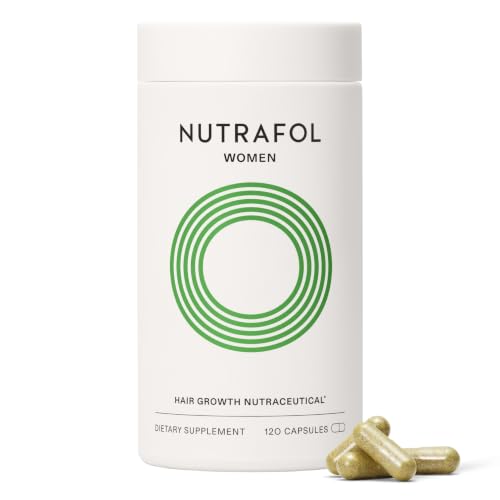
Nutrafol Women Hair Growth Supplement, Ages 18-44 (1-Month Bottle)
Multi-Ingredient Hair Supplement
Best for: Diffuse shedding linked to stress, diet or several factors at once
- Form
- Capsules (4 per day)
- Supply
- 1 month
- Approach
- Botanicals, marine collagen, vitamins
- Contains biotin
- Yes
Nutrafol is the best-studied branded hair supplement on the market, which is a lower bar than it sounds but still meaningful. Rather than relying on biotin alone, the formula combines a botanical blend that includes ashwagandha, saw palmetto, curcumin and tocotrienols with marine collagen and a vitamin and mineral base. The idea is to address several possible contributors to shedding at once, such as stress, inflammation and nutrition, and the company has published placebo-controlled trials in which users saw more improvement in hair measures than those on placebo.
Read those trials carefully. They were company-sponsored and relatively small, so they are encouraging rather than conclusive, and they do not put Nutrafol in the same league as minoxidil for pattern loss. We feature the women's formula because it is the brand's flagship; Nutrafol also makes a men's formula, compared in our best hair growth vitamins guide alongside cheaper targeted options such as iron and vitamin D.
Three cautions apply. The monthly cost is steep, so get basic bloodwork first: if you are simply low in iron or vitamin D, a targeted supplement is far cheaper. Its biotin content can distort thyroid, hormone and cardiac blood tests, so tell your doctor before any lab work. And it is not for pregnancy, conception attempts or breastfeeding, and the collagen is fish-derived.
What We Liked
- Placebo-controlled trials behind the specific formula, not just its ingredients
- Multi-ingredient approach targets several causes of shedding
- Separate formulas for different ages and for men
What We Didn't
- Among the most expensive hair supplements per month
- Trials are company-funded and modest in size
- Biotin can interfere with lab tests; fish-derived collagen
- Four capsules a day is a real commitment
The Bottom Line
The most credible branded hair supplement, if the cost fits and you treat it as support rather than a cure.
Koi Beauty Professional Derma Roller with 200 Titanium Microneedles
Scalp Derma Roller
Best for: Established minoxidil users who want to add weekly microneedling
- Format
- Roller
- Needles
- 200 individual titanium needles
- Use
- Face, body and scalp
- Check before buying
- Needle length of your variant
Microneedling has one of the more interesting evidence stories in hair loss. A frequently cited randomized trial in men found that weekly microneedling combined with 5% minoxidil produced significantly greater hair counts after 12 weeks than minoxidil alone, and later studies have generally supported the combination. The proposed mechanism is a controlled wound-healing response that switches on growth signaling around the follicle, and it may also improve how well topicals penetrate.
Koi Beauty's roller is the top pick in our best derma roller for hair growth guide because of the detail that matters most in a roller: its needles are individually set rather than cut from a stamped disc, which tends to make them more uniform and sharper, with cleaner punctures and less tearing of the skin. The titanium needles are also more durable than cheap steel. Needle length depends on the variant you choose; for regular home scalp sessions, 0.5 mm is the sensible choice, and longer lengths are best left to a dermatologist.
The caveat is important: much of the research used clinic microneedling at deeper settings than home rollers, so expect a smaller effect. Use it no more than about once a week, clean it with isopropyl alcohol after every session, replace it once the needles feel dull, and wait about 24 hours before your next minoxidil application. Skip it entirely on an inflamed, infected or sunburned scalp.
What We Liked
- Microneedling plus minoxidil has encouraging randomized-trial evidence
- Individually set titanium needles make cleaner punctures
- Inexpensive and reusable for several weeks
What We Didn't
- Home rollers are shallower than the clinic microneedling in most studies
- Needle length depends on the variant you select
- Infection and irritation risk if not cleaned and replaced
The Bottom Line
The best way to try evidence-backed microneedling at home, as an add-on to minoxidil and with careful hygiene.
The Ordinary Multi-Peptide Serum for Hair Density (2 fl oz)
Peptide Scalp Serum
Best for: A drug-free leave-on serum for early thinning or people who cannot use minoxidil
- Type
- Leave-on scalp serum
- Size
- 2 fl oz (60 mL)
- Key actives
- Peptide complexes and caffeine
- Contains minoxidil
- No
If you want a leave-on scalp serum but not a drug, The Ordinary's Multi-Peptide Serum is the most sensible place to start. It packs several of the branded peptide and plant complexes that pricier serums rely on, including Redensyl, Procapil and Baicapil, plus caffeine, into a lightweight formula you apply directly to the scalp. The price is low enough to use daily for the months any serum needs, which is where many prestige serums fall down.
Be clear about the evidence tier. Those complexes are supported mainly by supplier-run studies and small trials, not the large independent trials behind minoxidil, and the serum is a cosmetic product rather than an FDA-approved treatment. Treat it as a gentle option for early thinning, a fallback for people who cannot tolerate minoxidil, or an extra layer on top of a proven routine. Some users find it slightly tacky if they overapply.
Skip it if you have progressing pattern loss and have not yet tried minoxidil; start there and add the serum later if you want. Our best hair growth serum guide compares it with plant-based, premium and women-specific serums.
What We Liked
- Multiple branded peptide complexes at a low price
- Lightweight, easy daily leave-on application
- No prescription and no drug side effects
- Generous 2 fl oz bottle
What We Didn't
- Evidence is mostly supplier studies, not independent trials
- Cosmetic product, not a substitute for minoxidil
- Can feel tacky if overapplied
The Bottom Line
The smartest first serum: credible ingredients, honest positioning and a price you can sustain for six months.
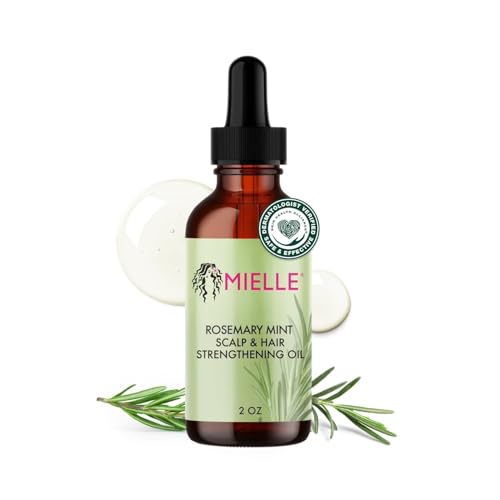
Mielle Organics Rosemary Mint Hair Oil with Biotin (2 oz)
Rosemary Scalp Oil
Best for: A low-cost natural scalp oil, especially for dry scalps and curly or coily hair
- Key oils
- Rosemary and mint
- Size
- 2 oz
- Applicator
- Dropper
- Status
- Cosmetic
Rosemary oil went viral largely on the strength of one small trial that compared it with 2% minoxidil over six months and found similar improvements in hair count by the end. That study was small, used a lower minoxidil strength than most people now use, and tested rosemary oil rather than any particular product. But it is more human evidence than most natural ingredients can claim, and rosemary oil is inexpensive and generally well tolerated.
Mielle's Rosemary Mint oil is the most popular way to try it: a ready-blended oil with a dropper that makes scalp application easy. It is especially well liked for dry scalps and curly or coily hair, where a regular oil treatment also helps with breakage and comfort. The biotin on the label is a marketing extra; there is little evidence that topical biotin does anything for growth. On fine or oily hair, use it as a pre-wash treatment so it does not weigh hair down.
Essential oils can irritate sensitive skin, so patch test first, and keep it away from the eyes. Skip it as your only treatment for progressing pattern loss. Our best hair growth oil and best rosemary oil for hair growth guides compare castor, pumpkin seed and pure rosemary options.
What We Liked
- Rosemary oil has a small trial comparing it favorably with 2% minoxidil
- Very affordable and easy to apply with the dropper
- Good for dry scalps and textured hair
What We Didn't
- Evidence for rosemary oil is limited to small studies
- Can weigh down fine or oily hair
- Essential oils can irritate sensitive skin
The Bottom Line
The best low-cost natural option to try, as a supporting layer rather than a replacement for minoxidil.
Toppik Hair Building Fibers, Dark Brown (27.5 g)
Keratin Hair Fibers
Best for: Hiding a thin crown, part or temples instantly while treatments take effect
- Material
- Colored keratin fibers
- Size
- 27.5 g
- Shades
- 9 (per listing)
- Grows hair
- No (cosmetic)
Toppik does not grow hair and does not claim to. It is on this list because it solves the problem every real treatment leaves you with: months of waiting. The colored keratin fibers carry a static charge that makes them cling to existing hairs, filling in a visible scalp at the part, crown or temples in under a minute, and they wash out with shampoo. For many people, having a reliable way to look normal is what makes it possible to stay patient with minoxidil.
Results depend on having some hair for the fibers to grip, so it works best for diffuse thinning and early crown or part widening rather than fully bald areas. Matching the shade carefully, choosing a slightly lighter shade if you are between two, and setting the fibers with a light hairspray help them hold up to wind and light rain, though not to swimming or heavy sweat.
It is safe to use alongside minoxidil: apply your treatment first, let it dry completely, then add fibers. Skip it if your thinning is extensive enough that there is little hair left to cling to. Our best hair fibers for thinning hair guide compares it with plant-based and larger-bottle alternatives.
What We Liked
- Instant, natural-looking coverage for thinning areas
- Wide shade range for most hair colors
- Washes out easily and works alongside treatments
What We Didn't
- Purely cosmetic, with no effect on growth
- Needs existing hair to cling to
- Can transfer to pillows or hats and does not survive swimming
The Bottom Line
The best way to look fuller today while your actual treatments work on tomorrow.
Evidence Tiers: Which Hair Growth Products Actually Work?
Hair growth products fall into clear evidence tiers, and knowing them protects you from paying premium prices for bottom-tier promises. At the top are FDA-approved drugs: minoxidil over the counter, and finasteride by prescription for men, both with large randomized trials and decades of real-world use. Next come FDA-cleared laser devices, which have sham-controlled trials showing modest benefits. Clearance is a lower regulatory bar than drug approval, but it does require evidence of safety and effectiveness for the device type.
In the middle tier sit approaches with smaller but real studies: microneedling combined with minoxidil, ketoconazole shampoo, rosemary oil, saw palmetto, and multi-ingredient supplements like Nutrafol with company-funded trials. Below that are cosmetic ingredients, including peptide complexes, topical biotin and collagen, and most botanical blends, whose evidence is largely lab work and supplier studies. Cosmetic does not mean useless, but it does mean you should expect subtle results and should not rely on them as your only treatment for progressive pattern loss.
Cosmetic does not mean useless, but it does mean you should expect subtle results and should not rely on them as your only treatment for progressive pattern loss.
Iron, vitamin D and zinc deserve a special mention. Correcting a measured deficiency can make a real difference to shedding, but topping up levels that are already normal has not been shown to help. That is why we recommend testing before supplementing, and why the supplement on our list sits below the treatments rather than above them.
One more distinction is worth knowing when you read labels. Drugs and cleared devices must show evidence before they can be marketed for hair growth. Supplements and cosmetics do not, so phrases like clinically proven or dermatologist recommended on those products often refer to a small study of one ingredient, or to a cosmetic measure such as fuller-looking hair, rather than to regrowth.
| Evidence | Regulatory Status | Realistic Expectation | |
|---|---|---|---|
| Minoxidil (Rogaine, Kirkland) | Strong: many large RCTs | FDA-approved OTC drug | Slows loss and regrows hair in many users |
| Finasteride (Rx, men) | Strong: many large RCTs | FDA-approved Rx drug | Halts progression in most men; some regrowth |
| Laser devices (iRestore) | Moderate: sham-controlled trials | FDA-cleared device | Modest density gains as an add-on |
| Microneedling + minoxidil | Moderate: small RCTs | Not approved for hair loss | Boosts minoxidil results in studies |
| Ketoconazole shampoo (Nizoral) | Limited: small studies | OTC anti-dandruff drug | Calms scalp; modest density support |
| Supplements (Nutrafol) | Limited: small, company-funded trials | Dietary supplement | Mild help, best for multi-factor shedding |
| Rosemary oil (Mielle) | Limited: one small comparison trial | Cosmetic | Possible mild benefit over months |
| Peptide serums (The Ordinary) | Weak: mostly supplier data | Cosmetic | Subtle; best for early thinning |
| Fibers (Toppik) | Not applicable | Cosmetic | Instant coverage, no growth effect |
Building a Hair Growth Stack That Makes Sense
Combining products that work through different mechanisms generally beats relying on any one of them, which is the logic behind our HGR Regimen: a topical treatment, a way to address DHT, scalp care, and nutrition only where testing shows a gap. The key is to combine complementary products rather than redundant ones. Two different peptide serums add little; minoxidil plus a ketoconazole shampoo plus a laser device each attack the problem from a different angle.
Add one product at a time, ideally four to six weeks apart.
Add one product at a time, ideally four to six weeks apart. If you start five products on the same day and your scalp gets itchy or your shedding spikes, you will have no idea which one is responsible, and you may abandon the one that was actually working.
The core stack (most people with pattern loss)
Daily 5% minoxidil, whether Rogaine foam or Kirkland liquid for men, or Women's Rogaine foam once a day for women, plus Nizoral two to three times a week. This covers the most evidence for the least money and effort. Men should also ask a doctor about finasteride, which addresses the hormonal driver that minoxidil does not touch; women with progressing loss can ask about prescription options such as spironolactone. Our best minoxidil for men and best minoxidil for women guides help you pick the right format.
The enhanced stack
Add a laser device such as the iRestore Professional, or weekly microneedling with a roller like the Koi Beauty, leaving about 24 hours before your next minoxidil application. Both have trial evidence as add-ons to minoxidil and no drug side effects. Most people do not need both; pick the one that fits your schedule and budget.
Supporting layers
A supplement if bloodwork shows a deficiency or your shedding has several triggers; a peptide serum or rosemary oil if you want an extra topical or cannot use minoxidil; and Toppik fibers for instant coverage while everything else takes effect. These are the layers where it is easiest to overspend, so add them last and drop any that you cannot connect to a specific goal.
If you cannot or will not use minoxidil
Some people cannot tolerate minoxidil, are pregnant or breastfeeding, or simply do not want a lifelong drug. In that case, a reasonable drug-free stack is ketoconazole shampoo for scalp health, a laser device as the strongest non-drug option, and a peptide serum or rosemary oil as a daily topical, with a dermatologist visit to discuss prescription alternatives. Expect smaller results than a minoxidil-based routine, and be especially patient.
What Each Budget Gets You
Hair growth does not have to be expensive, and the cheapest effective routine is also one of the best-evidenced. Price correlates poorly with evidence in this category: the product with the strongest data on this list costs a few dollars a month as a generic, while some of the priciest options sit in the lowest evidence tier. Here is how we would spend at each level, assuming pattern hair loss.
Whatever your budget, think in terms of a year rather than a month. Minoxidil, supplements and serums are ongoing costs that add up, while a laser device or derma roller is a one-off or occasional purchase. A product that seems affordable at checkout can become the most expensive thing in your routine over twelve months, and a pricey device can turn out cheaper than a premium monthly subscription.
Shoestring: under about $10 a month
Kirkland Signature 5% minoxidil plus Nizoral two or three times a week, which lasts well over a month per bottle at that frequency. This is the core evidence-based routine, and it is the one we would start with at any budget. Women who find the liquid awkward can look at store-brand 5% foams in our best minoxidil for women guide.
Mid-range: roughly $25 to $60 a month
Switch to Rogaine foam if liquid minoxidil irritates your scalp or you prefer the once-daily women's version, and add one supporting layer: The Ordinary Multi-Peptide Serum, Mielle Rosemary Mint oil, a derma roller, or Toppik fibers for coverage. Men may also be able to add a prescription for generic finasteride through a doctor or telehealth service in this range.
Premium: $100 a month or a one-time investment
Add Nutrafol if you want a comprehensive supplement, or put the money toward a laser device like the iRestore Professional, a one-time cost that works out cheaper than a premium supplement subscription within a year or so. Consider a dermatologist visit at this level, too; professional options such as prescription treatments, in-office microneedling or PRP may be a better use of the same money.
| Core Products | Optional Add-On | Evidence Covered | |
|---|---|---|---|
| Shoestring | Kirkland 5% minoxidil + Nizoral | None needed | Top tier plus scalp care |
| Mid-range | Rogaine foam + Nizoral | Serum, oil, roller or fibers | Top tier plus one support layer |
| Premium | Rogaine foam + Nizoral | iRestore laser or Nutrafol | Top tier plus a second mechanism |
How to Use Several Products Without Wasting Them
Order of application matters more than most people realize, because the wrong sequence can wash away a treatment or dilute it before it absorbs. The simplest rule is that minoxidil goes onto a clean, dry scalp and gets the scalp to itself for a while. Apply it, let it dry fully, and leave several hours before you wash your hair again, so a morning dose and an evening shower work well together.
Shampoo days come first in the sequence. Wash with Nizoral, leave the lather on for several minutes, rinse, and let your scalp dry before applying minoxidil. Leave-on serums and oils go on after minoxidil has absorbed, not before, so they do not form a barrier between the drug and your skin. If you use rosemary oil as a pre-wash treatment instead, apply it an hour or so before shampooing and wash it out.
minoxidil goes onto a clean, dry scalp and gets the scalp to itself for a while
Devices are flexible. Laser sessions are usually done on a clean, dry scalp with no heavy products in the way, so many people fit them in before their evening minoxidil dose. Microneedling is the exception that needs a gap: roll on a clean scalp, skip minoxidil and other leave-on actives for about a day afterward to avoid stinging and excess absorption, and do not roll over irritated skin.
Fibers always go last. Apply them only once every treatment underneath is completely dry, set them with a light hairspray if you like, and wash them out at the end of the day. Following this order keeps each product doing its own job, and it makes a multi-product routine feel far less complicated than it sounds.
How Long Do Hair Growth Products Take to Work?
Hair grows roughly half an inch a month, and follicles move through their growth and resting phases over months, not days. That means no hair growth product shows meaningful results quickly, and any product promising visible regrowth in two weeks is either cosmetic or overselling. The realistic timeline below applies to minoxidil and to most supporting products, which tend to be slower and subtler still.
Patience is the most underrated hair growth product of all. Give any treatment at least six months of consistent use before judging it, and take standardized monthly photos with the same lighting, the same angles and hair dry and styled the same way, because day-to-day mirror checks are notoriously unreliable.
Patience is the most underrated hair growth product of all.
It also helps to know what success looks like. For many people, the first win is simply that shedding slows and thinning stops getting worse. Visible thickening comes later, and the full effect of minoxidil is usually reached around the one-year mark. Holding your ground is a genuine result in a condition that otherwise progresses.
| What You May Notice | What to Do | |
|---|---|---|
| Weeks 2-8 | Temporary increase in shedding with minoxidil | Keep going; follicles are cycling |
| Months 2-4 | Shedding slows; fine new hairs may appear | Stay consistent; compare monthly photos |
| Months 4-6 | Visible density gains in responders | Make a first assessment of each product |
| Months 6-12 | Fuller, thicker hair; peak results near a year | Decide whether to add or change treatments |
| Ongoing | Results maintained with continued use | Stopping minoxidil reverses gains over months |
Safety, Side Effects and When to See a Doctor
Most hair growth products are safe for healthy adults, but a few cautions apply across the category. Minoxidil can cause scalp irritation, unwanted facial hair from product transfer and, rarely, lightheadedness or a racing heart. It is not recommended during pregnancy or breastfeeding, and it is toxic to cats, so keep treated pillows, towels and hands away from pets.
Supplements containing biotin can distort thyroid, hormone and cardiac lab results, so mention them before any blood test and ask whether to pause beforehand. Fish-derived collagen is not suitable for people with fish allergies. Essential oils such as rosemary can irritate sensitive skin, and microneedling carries a risk of infection if the roller is not cleaned and replaced. Laser devices are generally well tolerated, but follow the manufacturer's guidance if you are photosensitive or take medication that increases light sensitivity.
See a dermatologist before buying anything if your hair loss is sudden and patchy, comes with pain, redness, scaling or scarring, started after a new medication, or is accompanied by symptoms like fatigue, weight change or irregular periods that might point to a thyroid or hormonal cause. And see one if you have used minoxidil correctly for a year without improvement: prescription options such as finasteride for men, spironolactone for women, and low-dose oral minoxidil prescribed off-label can help many people who do not respond to over-the-counter products alone.
Compared Side by Side
| Product | Category | Evidence Tier | Status | Grows Hair? |
|---|---|---|---|---|
| Men's Rogaine 5% Foam | Minoxidil | Strong | FDA-approved | Yes |
| Women's Rogaine 5% Foam | Minoxidil | Strong | FDA-approved | Yes |
| Kirkland 5% Minoxidil | Budget minoxidil | Strong | FDA-approved | Yes |
| iRestore Professional | Laser device | Moderate | FDA-cleared | Modestly |
| Nizoral 1% | Medicated shampoo | Limited | OTC anti-dandruff | Supports |
| Nutrafol Women | Supplement | Limited | Supplement | Supports |
| Koi Beauty Derma Roller | Microneedling | Moderate (with minoxidil) | Tool | Boosts minoxidil |
| The Ordinary Multi-Peptide | Serum | Weak | Cosmetic | Subtly |
| Mielle Rosemary Mint Oil | Oil | Limited | Cosmetic | Possibly |
| Toppik Fibers | Cover-up | Not applicable | Cosmetic | No |
Ready to Buy? Our Picks Again
- 1Check Price →
- 2Check Price →
- 3Check Price →
Best Budget Minoxidil
Kirkland Signature Minoxidil 5% Topical Solution for Men (6-Month Supply) - 4Check Price →
Best Laser Device
iRestore Professional Laser Hair Growth System (282 Lasers & LEDs) - 5Check Price →
- 6Check Price →
- 7Check Price →
Best Microneedling Tool
Koi Beauty Professional Derma Roller with 200 Titanium Microneedles - 8Check Price →
- 9Check Price →
- 10Check Price →
Best Instant Cover-Up
Toppik Hair Building Fibers, Dark Brown (27.5 g)
Common Mistakes to Avoid
Skipping the Proven Treatment for Supporting Products
The most common and expensive mistake is spending on serums, oils and supplements while never trying minoxidil. If you have pattern hair loss, start with the top evidence tier and add supporting products on top. A cheap generic minoxidil will do more for most people than a cupboard full of cosmetic serums.
Quitting During the Shed or Before Six Months
Minoxidil often causes extra shedding in the first weeks, and most products show nothing visible for three to six months. Many people stop right when a treatment is starting to work. Take monthly photos, commit to six months of consistent use, and only then judge whether a product earns its place.
Starting Everything at Once
Launching five new products on the same day makes it impossible to tell which one is helping and which one is irritating your scalp. Begin with your core treatment, then add one product every four to six weeks. That way, if something causes itching or shedding, you know exactly what to drop.
Buying Supplements Without Bloodwork
Supplements help most when they correct a real deficiency. A simple blood test for ferritin, vitamin D and thyroid function can reveal whether you need iron or vitamin D, which costs far less than a premium formula. Topping up normal levels has not been shown to grow hair, and high-dose biotin can distort test results.
Treating the Wrong Kind of Hair Loss
Patchy bald spots, scarring, scalp pain or sudden heavy shedding are not jobs for an over-the-counter product. Alopecia areata, scarring alopecias, thyroid problems and medication side effects need a diagnosis. If your loss does not look like gradual pattern thinning, see a dermatologist before you spend money on treatments.
Frequently Asked Questions
What is the best hair growth product?
For most people with pattern hair loss, 5% minoxidil is the best hair growth product. Men's Rogaine 5% Foam is our top pick for men, and Women's Rogaine 5% Foam, used once a day, is the best choice for women. Both are FDA-approved and better tolerated than most liquids. If budget matters most, Kirkland Signature 5% minoxidil contains the same drug for a fraction of the price.
What actually works for hair growth?
The best-evidenced options are minoxidil, which is FDA-approved over the counter, and finasteride, a prescription drug for men. FDA-cleared laser devices, microneedling combined with minoxidil and ketoconazole shampoo have smaller bodies of supporting evidence. Supplements help mainly when you have a real deficiency, and most serums and oils are cosmetic or supported only by small studies.
Do hair growth products really work?
Some do, and many do not. Minoxidil slows loss or regrows hair in a large share of users in controlled trials, and laser devices produce modest gains. But no product works for every cause of hair loss, none reliably regrows hair on scalp that has been bald for years, and results take three to six months to appear. Products promising dramatic results in weeks are overselling.
Is minoxidil better than natural hair growth products?
Minoxidil has far stronger evidence than any natural product. Rosemary oil has one small study comparing it with 2% minoxidil, and saw palmetto has small trials in men, but neither has been tested at the scale minoxidil has. Natural products are reasonable additions, or alternatives for people who cannot tolerate minoxidil, rather than equal replacements.
Can I use several hair growth products together?
Yes. Combining products with different mechanisms, such as minoxidil, ketoconazole shampoo and a laser device, often works better than one product alone. Introduce them one at a time a few weeks apart, apply minoxidil to a dry scalp and let it absorb before layering anything else, leave a day between microneedling and minoxidil, and check with a doctor before combining prescription medications.
How long do hair growth products take to work?
Expect three to six months before visible results and up to a year for the full effect. Minoxidil often causes a temporary increase in shedding during the first few weeks, which is a sign the hair cycle is resetting rather than a sign of failure. Track progress with monthly photos taken in the same conditions instead of daily mirror checks.
Do hair growth supplements work?
Supplements work best when they correct a genuine deficiency, such as low ferritin or vitamin D. Multi-ingredient formulas like Nutrafol have company-funded trials showing modest benefits, and saw palmetto has small studies in men. Biotin helps only people who are deficient, which is uncommon. Get bloodwork before buying an expensive supplement, and see our best hair growth vitamins guide for targeted options.
Are hair growth products different for men and women?
The core science is the same: minoxidil is the first-line treatment for pattern loss in both sexes, and lasers, ketoconazole shampoo and microneedling work for both. The differences are in labeling and next steps. Women's 5% foam is labeled for once-daily use, women should avoid minoxidil during pregnancy, and the prescription options differ. Our men's and women's hair growth product guides cover those details.
The Bottom Line
The best hair growth product for most people is 5% minoxidil: Men's or Women's Rogaine 5% Foam for the best tolerability, or Kirkland Signature 5% solution for the lowest price, because it is the only over-the-counter topical FDA-approved to regrow hair. Build around it with Nizoral ketoconazole shampoo, add an FDA-cleared laser like the iRestore Professional or weekly microneedling if you want a second mechanism, and use Toppik fibers for instant coverage while you wait. Treat supplements, serums and oils as supporting players, get bloodwork before buying nutrition products, see a dermatologist for patchy or unusual loss, and give any routine at least six months before judging it.
More Buyer's Guides
Hair Growth & Hair Loss
Best Hair Growth Products for Men
Male pattern hair loss has two treatments with strong evidence and a long tail of add-ons with weaker support. We picked the best product in each category and ranked them in the order you should actually spend your money.
Hair Growth & Hair Loss
Best Hair Growth Products for Women
Female hair thinning has more possible causes than male pattern loss, and only one over-the-counter drug approved to treat it. We picked the best product in each category and ranked them by what the evidence says they can do.
Hair Growth & Hair Loss
Best Minoxidil for Men
Every product here contains 5% minoxidil, the only topical hair regrowth drug the FDA has approved for men. What separates them is the vehicle, the irritation risk, and what you pay per month for the next decade.
Hair Growth & Hair Loss
Best Minoxidil for Women
Minoxidil is the only topical drug the FDA has approved to regrow hair in women. It comes in two women's forms, a 2% solution used twice a day and a 5% foam used once, and the choice between them matters more than the brand on the box.
Hair Growth & Hair Loss
Best Laser Cap for Hair Growth
Low-level light therapy has real, if modest, clinical support for pattern hair loss, and several home devices are FDA-cleared. But they cost hundreds to thousands of dollars, so the right choice depends on your hair loss, your routine and how you will actually use it.
Hair Growth & Hair Loss
Best Hair Growth Vitamins
Hair growth vitamins are one of the most heavily marketed products in beauty, and one of the least understood. The ones worth buying either correct a measured deficiency or have at least some placebo-controlled evidence behind them.
Hair Growth & Hair Loss
Best Ketoconazole Shampoo
Ketoconazole is a proven dandruff fighter with a small but intriguing body of evidence for hair loss. Over the counter, one brand dominates, so the smarter questions are which size to buy, how to use it, and what to rotate it with.
Hair Growth & Hair Loss
Best Hair Growth Serum
Drug-free scalp serums can make hair look fuller and support a healthier scalp, but none of them is an FDA-approved regrowth treatment. Here is which ones are worth the money, and when you should be buying minoxidil instead.
Hair Growth & Hair Loss
Best Derma Roller for Hair Growth
Scalp microneedling has some of the most encouraging add-on evidence in hair loss, mainly when combined with minoxidil. The tool matters less than the needle length, the hygiene and the timing. Here is what to buy and how to do it right.
Hair Care
Best Hair Fibers for Thinning Hair
Hair fibers are the closest thing to an instant fix for thinning hair. They do not grow anything, but a well-matched fiber, applied properly and locked in place, can make scalp show-through disappear for the whole day.