The Short Answer
To use rosemary oil for hair growth, mix 6 to 12 drops of rosemary essential oil into an ounce of carrier oil, massage a few drops into your scalp along each part, leave it on for a few hours or overnight, then shampoo. Repeat two to three times a week for at least six months.
Top Picks: Best Rosemary Oil for Hair Growth
 Check Price
Best Overall
Plant Therapy Rosemary Essential Oil (30 mL)
 Check Price
Best Value Pure Oil
NOW Essential Oils Rosemary Oil, Steam Distilled (1 fl oz)
 Check Price
Best Ready-to-Use Blend
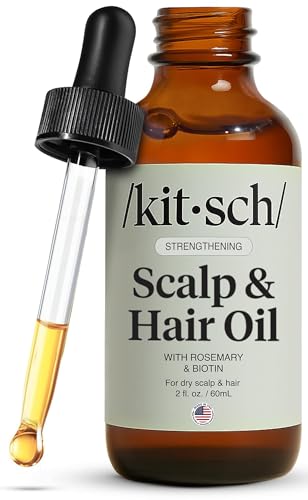
Kitsch Rosemary Oil for Hair with Castor Oil, Biotin & Jojoba (60 mL)
Written by HairGrowthReviews Editorial Team
Reviewed by Ernesta Malinauskytė, PhD, Director of Hair Research, TRI Princeton
Updated 2026-11-20 · Independently researched · How we review
We may earn a commission when you buy through our links, at no cost to you. As an Amazon Associate we earn from qualifying purchases. How we research
The Short Version
- Always dilute pure rosemary essential oil. About 1 to 2 percent, or 6 to 12 drops per ounce of carrier oil, is the common scalp strength.
- Apply it to the scalp, not the lengths: part the hair, add a few drops along each part and massage gently with your fingertips.
- Leave it on for a few hours or overnight, then shampoo. Two to three times a week is a popular routine, and some people use it daily.
- Homemade infused rosemary oil and rosemary water are gentle, inexpensive options, though they are milder than a diluted essential oil.
- The 2015 rosemary trial measured hair counts at three and six months, and the gains showed up at six, so plan on at least six months.
On This Page · 12 sections
How to use rosemary oil for hair growth is one of the most searched hair care questions of the last few years, and it is easy to see why. Rosemary is inexpensive, pleasant to use and backed by an encouraging trial, and a bottle of essential oil plus a carrier oil makes months of scalp treatments. The part that trips people up is the method: how much to use, where to put it, how long to leave it and how often to repeat it.
The good news is that a rosemary routine takes only a few minutes. You mix a small, properly diluted blend, massage it into your scalp, give it time to sit and then wash it out. If you enjoy a hands-on project, you can also make your own infused rosemary oil or a batch of rosemary water in your kitchen for a lighter, gentler version of the same ritual.
This guide walks through every step, from diluting and massaging to overnight use, frequency, homemade rosemary oil and rosemary water, and pairing rosemary with minoxidil. If you want the research in depth, our article on whether rosemary oil really grows hair covers the study, and our guide to the best rosemary oil for hair growth ranks the bottles we recommend.
Does Rosemary Oil Grow Hair? What to Expect and When
Rosemary oil's reputation comes from a 2015 randomized trial in roughly 100 men with pattern hair loss. Half used rosemary oil on the scalp and half used 2% minoxidil, and hair counts were measured at the start, at three months and at six months. At three months, neither group had improved significantly. At six months, both groups had a significant increase in hair count, and the difference between them was not statistically significant.
That is an exciting result for a natural oil, and it was a single study, so researchers would love to see larger follow-up trials. Minoxidil remains the FDA-approved over-the-counter option for regrowth, which is why many people use the two side by side. Our companion article on whether rosemary oil really grows hair walks through the study in detail.
Rosemary is a slow, steady habit, not a quick fix
The practical lesson from the trial is about time. Rosemary is a slow, steady habit, not a quick fix, and the meaningful changes in the study appeared at the six-month mark. Expect a fresher, more comfortable scalp within the first few weeks, and judge any change in density only after six months of regular use.
Take photos of your part, hairline or crown in the same light before you start and once a month after, because slow changes are hard to spot in the mirror and a side-by-side photo at month six tells you clearly how things are going.
Essential Oil, Infused Oil, Rosemary Water or Shampoo: Which to Use
Rosemary comes in four main forms, and each fits a different routine. Pure rosemary essential oil is the concentrated, steam-distilled oil of the plant. It is the closest match to the oil used in the trial and the cheapest per use, but it must always be diluted. Plant Therapy and NOW are the two pure oils at the top of our rosemary oil guide.
Ready-made blends have done the diluting for you, usually in castor, jojoba or other carrier oils. Kitsch Rosemary Oil is our favorite grab-and-go blend, Briogeo's Scalp Revival pre-wash oil suits anyone who hates oily roots, and Sunny Isle's rosemary Jamaican black castor oil is a rich option for coily hair. Blends rarely state their rosemary strength, so you trade precision for convenience.
Choose the one you will use consistently, because consistency matters more than any single product.
Homemade infused rosemary oil is dried rosemary steeped in a carrier oil. It is gentle and fun to make, and it is much milder than a diluted essential oil. Rosemary water is an herbal tea for your scalp, light and oil-free, and Camille Rose makes a well-loved ready-made mist. Rosemary shampoos are the easiest of all, although they rinse off within a minute or two.
Many people combine formats, such as oil a few times a week and rosemary water in between. Choose the one you will use consistently, because consistency matters more than any single product.
| Strength | Best For | Typical Use | |
|---|---|---|---|
| Diluted essential oil | Highest; closest to the study | Anyone happy to mix a blend | Scalp massage, 2 to 3 times a week or more |
| Ready-made blend | Varies; rarely stated | Beginners who want no measuring | Scalp massage, same as above |
| Homemade infused oil | Mild | DIY fans, sensitive scalps | Pre-wash scalp and lengths treatment |
| Rosemary water | Mildest | Fine hair, oily scalps | Daily spritz, no rinsing |
| Rosemary shampoo | Brief contact | Easy everyday habit | Every wash day |
How to Mix Rosemary Oil: Dilution and the Best Carrier Oils
Never put pure rosemary essential oil straight on your scalp. Undiluted essential oils can burn the skin and trigger allergies that make you sensitive to rosemary for good. A common scalp dilution is around 1 to 2 percent, which works out to roughly 6 to 12 drops of rosemary essential oil per ounce, about 30 mL, of carrier oil, or one to two drops per teaspoon.
Start at the low end, around 6 drops per ounce, especially if your skin is sensitive. If your scalp is comfortable after a couple of weeks, you can move toward 12 drops. Going stronger than that does not make rosemary work faster; it mainly makes irritation more likely.
Going stronger than that does not make rosemary work faster; it mainly makes irritation more likely.
Pick a carrier that suits your hair. Jojoba is light and absorbs well, so it suits fine hair and oily scalps. Castor oil is thick and suits dry, coarse or coily hair, and many people mix the two. Pumpkin seed and argan oil are medium-weight options, and our article on pumpkin seed oil vs rosemary oil explains how those two pair up. Batana works beautifully on the lengths while rosemary goes on the scalp, as our batana oil vs rosemary oil guide shows.
Mix your blend in a clean, dark glass bottle with a dropper. Add the carrier first, then the drops of rosemary, cap it and roll the bottle gently between your hands. Label it with the date, make small batches so it stays fresh, and store it away from heat, light, children and pets.
| Rosemary Essential Oil | Approximate Strength | |
|---|---|---|
| 1 teaspoon (5 mL) carrier | 1 to 2 drops | About 1 to 2 percent |
| 1 tablespoon (15 mL) carrier | 3 to 6 drops | About 1 to 2 percent |
| 1 ounce (30 mL) carrier | 6 to 12 drops | About 1 to 2 percent |
| 2 ounces (60 mL) carrier | 12 to 24 drops | About 1 to 2 percent |
How to Use Rosemary Oil for Hair Growth, Step by Step
Step one is a patch test. Dab a little of your diluted blend on the inside of your elbow or behind your ear and wait 24 to 48 hours. If you see redness, itching, burning or bumps, keep that blend off your scalp. A reaction to a diluted blend usually means choosing a different oil rather than diluting further.
Step two is sectioning. Start with dry hair and a dry scalp. Use a comb or your fingers to make a part down the middle, then add more parts about an inch apart on either side. If you are focusing on the hairline, temples or crown, make your parts there. A dropper bottle or an applicator bottle with a nozzle makes placing the oil much easier.
Rosemary belongs on the scalp, not the lengths
Step three is applying. Place a few drops along each part, directly on the skin. Most people need somewhere between a few drops and half a teaspoon of blend for the whole scalp. Rosemary belongs on the scalp, not the lengths, so there is no need to coat your hair; a little carrier on dry ends is fine if you like the feel.
Step four is the massage. Use the pads of your fingers, not your nails, and move the skin in small, slow circles for three to five minutes. Massage spreads the oil evenly and is pleasant in its own right, and our article on scalp massage for hair growth explains why many people love the habit. Wash your hands afterward.
How Long to Leave Rosemary Oil In, Overnight Use and How Often
Most people leave rosemary oil on for at least a few hours before washing, and many apply it in the evening and leave it on overnight. Wrap your hair in a satin bonnet or scarf and use an old pillowcase, since oils can mark fabric.
If greasy roots bother you, a shorter session of one to two hours as a pre-wash treatment is a great middle ground. Avoid leaving oil on your scalp for days, which can lead to buildup, itching and flaking.
apply shampoo to your oiled scalp before adding water
To wash it out, apply shampoo to your oiled scalp before adding water, work it in, then add a splash of water and lather. Rinse and shampoo again if your hair still feels coated, and clarify every week or two if you oil often.
For frequency, two to three times a week is a popular routine, and some people use a light blend daily or most days. The study used rosemary regularly over six months, so pick a schedule you will genuinely keep. Our guide on how often you should oil your hair has sample weekly schedules for every hair type.
| How Often | Leave-On Time | |
|---|---|---|
| Fine hair or oily scalp | 2 times a week | 1 to 2 hours, jojoba carrier |
| Normal or wavy hair | 2 to 3 times a week | A few hours or overnight |
| Curly, coily or dry hair | 3 times a week or more | Overnight, castor or jojoba blend |
| Rosemary water | Daily if you like | Leave in, no rinsing |
Our #1 pick for rosemary oil for hair growth
Plant Therapy Rosemary Essential Oil (30 mL)
The best rosemary oil if you will mix your own: pure, well documented and very cheap per application.
How to Make Rosemary Oil for Hair at Home
Homemade rosemary oil is an infused oil: dried rosemary steeped in a carrier oil until the oil takes on some of the herb's scent and color. It is a lovely, inexpensive project and makes a gentle scalp and pre-wash oil. Use dried rosemary rather than fresh, because water in fresh herbs can let bacteria and mold grow in oil.
Use dried rosemary rather than fresh
Choose a carrier you like on your hair. Olive oil is the traditional choice for infusions, sweet almond and jojoba are lighter, and jojoba is especially stable, so it keeps well. You will need a clean, completely dry glass jar, dried rosemary leaves and a fine strainer or cheesecloth.
Warm infusion: ready in an afternoon
Add about a quarter cup of dried rosemary to one cup of carrier oil in a heatproof bowl set over a pan of barely simmering water, like a double boiler. Keep the heat low, so the oil feels warm rather than hot and never bubbles or smokes, and let it infuse for two to three hours, stirring now and then. A slow cooker on its warm setting works too.
Cold infusion: slow and gentle
Fill a clean, dry jar about a third full with dried rosemary, then pour carrier oil over it until the herb is covered by about an inch. Seal the jar, keep it somewhere warm but out of direct sun, and shake it gently every day or two for two to four weeks. This method takes patience and gives a mellow, fragrant oil with no heat at all.
Straining, storage and shelf life
Strain the oil through a fine strainer or cheesecloth into a clean, dry dark glass bottle, pressing the herb to release the last of the oil, and label it with the date. Store it somewhere cool and dark. Most homemade infused oils keep for around six months, depending on the carrier. If it smells rancid, turns cloudy or shows any mold, throw it away and make a fresh batch.
Homemade infused oil is much milder than a diluted essential oil. Infusing pulls only a small share of rosemary's aromatic compounds into the carrier, and the strength varies from batch to batch, so it is not the same as the oil used in the trial. If you want a stronger blend, add 6 to 12 drops of rosemary essential oil per ounce of your infused oil, which keeps you within the usual 1 to 2 percent.
How to Make Rosemary Water for Hair
Rosemary water is the lightest way to bring rosemary into your routine, and it is ideal for fine hair or an oily scalp that goes flat with any oil. To make it, bring about two cups of water to a boil, add three or four sprigs of fresh rosemary or about two tablespoons of dried, then lower the heat and simmer for five to ten minutes.
Turn off the heat, cover the pan and let it steep until it cools, about 30 minutes or longer for a deeper color. Strain out the rosemary and pour the liquid into a clean spray bottle.
keep rosemary water in the fridge and use it within about a week
To use it, mist rosemary water over your scalp along each part on clean or second-day hair, massage it in and leave it, with no need to rinse. Many people spray it daily, or use it on the days between oil treatments. It is a refreshing, weightless scalp ritual, though it contains far less of rosemary's aromatic compounds than a diluted essential oil.
Because it is plain water and plant material with no preservative, keep rosemary water in the fridge and use it within about a week. If it turns cloudy, smells sour or grows anything, pour it away and make a fresh batch.
Using Rosemary Oil With Minoxidil and Rosemary Shampoos
Rosemary and minoxidil make a great team, as long as each gets its own time. Minoxidil works best on a clean, dry scalp, and oil on the skin can get in its way. The simplest routine is to use rosemary oil as a pre-wash treatment, shampoo it out, dry your scalp and then apply minoxidil.
If you prefer to leave rosemary on overnight, apply minoxidil in the morning and rosemary in the evening, once the minoxidil has fully absorbed and dried. Never mix rosemary or any essential oil into a minoxidil bottle. If minoxidil is already working for you, keep it going and add rosemary as its own step, because stopping minoxidil typically means losing the hair it was supporting.
Rosemary and minoxidil make a great team, as long as each gets its own time.
Rosemary shampoos are an easy way to keep the ritual going on wash days. Mielle's Rosemary Mint Strengthening Shampoo, Watermans Grow Me and Kitsch's rosemary and biotin shampoo are popular picks, and Aveda's Rosemary Mint Purifying Shampoo suits oily hair. Massage the lather into your scalp for a minute or two before rinsing to get the most from it.
Shampoo stays on the scalp only briefly, so it complements a leave-on rosemary treatment rather than replacing it. A rosemary shampoo also helps clear oil after an overnight treatment, which makes the two a natural pair.
Rosemary Oil Safety: Patch Tests, Eyes, Pregnancy and Epilepsy
Properly diluted rosemary oil is well tolerated by most people, and like any concentrated plant extract it deserves a little care. The most common issues are scalp irritation and allergic contact dermatitis, which are more likely with undiluted oil, high concentrations, old oxidized oil or use on broken skin. If you notice new itching, redness, burning or flaking, pause and let your scalp settle.
Rosemary essential oil contains compounds such as camphor and 1,8-cineole, and it is traditionally avoided by people with epilepsy or a history of seizures. Pregnant and breastfeeding people should check with their doctor before using concentrated essential oils. Keep it away from young children's faces, and store bottles away from pets, since many essential oils are toxic to cats.
Properly diluted rosemary oil is well tolerated by most people
Keep rosemary out of your eyes. Apply it with your head tilted slightly back so drips run away from your face, wash your hands afterward, and if any gets in your eye, flush it with plenty of clean water. Do not use it on broken, sunburned or inflamed skin, or right after microneedling, when the skin absorbs far more than usual.
Rosemary is a lovely step for gradual thinning and everyday scalp care. If your hair loss is sudden, patchy, scaly, painful or red, or comes with fatigue or weight changes, see a dermatologist, because causes such as alopecia areata, thyroid disease and low iron need their own treatment. For pattern thinning, minoxidil is a natural complement to your rosemary routine.
Frequently Asked Questions
How do you use rosemary oil for hair growth?
Dilute 6 to 12 drops of rosemary essential oil in an ounce of carrier oil such as jojoba or castor. Part dry hair into sections, place a few drops along each part and massage for three to five minutes. Leave it on for a few hours or overnight, shampoo it out, and repeat two to three times a week.
How do you make rosemary oil for hair?
Steep dried rosemary in a carrier oil. For a warm infusion, heat about a quarter cup of dried rosemary in a cup of oil over very low heat for two to three hours. For a cold infusion, cover the herb with oil in a sealed jar for two to four weeks. Strain, bottle and use within about six months.
Does rosemary oil grow hair?
In a 2015 trial, rosemary oil and 2% minoxidil produced similar gains in hair count at six months, with no significant change at three months. It was a single study, so it is best seen as a promising, low-cost scalp ritual. Our article on whether rosemary oil really grows hair covers the details.
Can I leave rosemary oil in my hair overnight?
Yes. Overnight is one of the most popular ways to use a diluted rosemary blend. Use a small amount on the scalp, cover your hair with a satin bonnet, protect your pillowcase and shampoo it out in the morning. Avoid leaving it on for several days, which can cause buildup.
Should I put rosemary oil on wet or dry hair?
Dry hair and a dry scalp work best for oil, because water makes it harder to spread along your parts. Rosemary water can go on damp or dry hair and stays in without rinsing.
How often should I use rosemary oil on my hair?
Two to three times a week is a common routine, and some people use a light blend daily or most days. What matters most is keeping it up for at least six months. Rosemary water can be used daily, and a rosemary shampoo on every wash day.
Can I use rosemary oil with minoxidil?
Yes, as long as you apply them separately. Use rosemary as a pre-wash treatment and apply minoxidil to a clean, dry scalp afterward, or use minoxidil in the morning and rosemary in the evening. Never mix essential oils into a minoxidil bottle, and keep your minoxidil routine going.
The Bottom Line
Using rosemary oil for hair growth is simple: dilute 6 to 12 drops per ounce of carrier oil, part your hair, massage a few drops into the scalp, leave it on for a few hours or overnight and shampoo it out, two to three times a week or more. Homemade infused oil and rosemary water are gentle extras. Patch test, keep minoxidil in its own step, and give it six months.
Related Questions
- Does Tea Tree Oil Help Hair Growth? Benefits and How to Use It →
- How to Use Castor Oil for Hair Growth and Thickness →
- Does Rosemary Oil Really Grow Hair? →
- Batana Oil vs Rosemary Oil: Which Is Better for Hair Growth? →
- Pumpkin Seed Oil vs Rosemary Oil for Hair Growth: Which Works Better? →
- How Often Should You Oil Your Hair? A Guide by Hair Type →
- Does Scalp Massage Help Hair Growth? →
- How Long Does Minoxidil Take to Work? →
Buyer's Guides
Hair Growth & Hair Loss
Best Rosemary Shampoo for Hair Growth
Rosemary is the scalp-care ingredient of the moment, and a good rosemary shampoo is the easiest way to bring it into your routine every single wash day. Here are the six best bottles for every hair type and budget.
Hair Growth & Hair Loss
Best Essential Oils for Hair Growth
Rosemary, peppermint, lavender, tea tree and cedarwood are the five essential oils people reach for most for their scalp. Here are the best bottles of each, plus exactly how to dilute them.
Hair Growth & Hair Loss
Best Hair Growth Oil
Oils are brilliant at protecting hair from breakage, nourishing a dry scalp and turning scalp massage into a relaxing ritual. Here is how to pick the one that suits your hair and get the best results from it.
Hair Care
Best Jojoba Oil for Hair
Jojoba is the lightweight oil that even fine and oily hair can love. It closely resembles the natural oil your scalp makes, so it conditions without feeling greasy. Here are the best pure, organic bottles to buy.
Hair Care
Best Scalp Massager
A good scalp massager costs less than a coffee, feels wonderful and helps you clean your scalp properly. Here are the brushes and devices we love, from simple silicone scrubbers to hands-free electric models.