The Short Answer
Prenatal vitamins help hair growth when they fill a real nutritional gap, such as low iron, vitamin D or B12. The thick pregnancy hair comes mostly from hormones, not the vitamins. If you are not pregnant, a blood test and a hair or general multivitamin usually suit you better, while prenatals are ideal when trying to conceive, pregnant or breastfeeding.
Top Picks: Best Prenatal Vitamins for Hair Growth
 Check Price
Best Overall
Nature Made Prenatal Vitamins with Folic Acid + DHA (110 Softgels)
 Check Price
Best Premium Prenatal
Ritual Essential Prenatal Multivitamin with Folate, Choline, Omega-3 DHA & Iron (30 Servings)
 Check Price
Best Active Folate
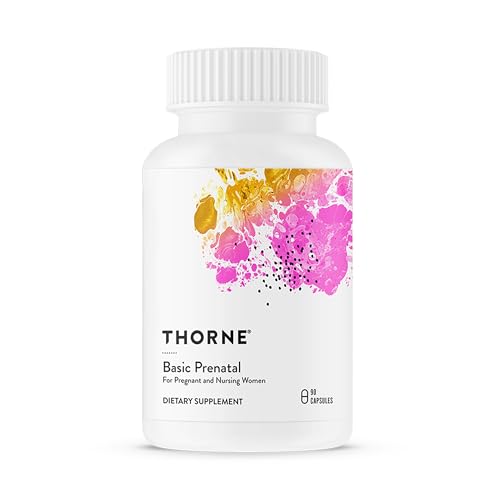
THORNE Basic Prenatal with Active Folate, Choline & Iron (90 Capsules)
Written by HairGrowthReviews Editorial Team
Reviewed by Ernesta Malinauskytė, PhD, Director of Hair Research, TRI Princeton
Updated 2026-11-20 · Independently researched · How we review
We may earn a commission when you buy through our links, at no cost to you. As an Amazon Associate we earn from qualifying purchases. How we research
The Short Version
- Prenatal vitamins contain folate or folic acid, iron, iodine, vitamin D and B12, and some add biotin and DHA.
- They support hair best when they correct a shortfall, especially low iron stores, low vitamin D or low B12.
- Thick pregnancy hair is mainly hormonal: higher estrogen keeps more hairs in the growth phase, and postpartum shedding follows after birth.
- Outside pregnancy, the 27 mg of iron in many prenatals can cause constipation and is more than men and postmenopausal women need.
- Test ferritin, vitamin D, B12 and thyroid first, then choose the supplement that matches your results. Tell your doctor about any biotin before blood tests.
On This Page · 12 sections
Do prenatal vitamins help hair growth if you are not pregnant? It is one of the most searched hair questions online, and it usually starts with a friend or relative who says her hair was never thicker than when she was pregnant. Prenatal pills became the obvious suspect, and before long people who were nowhere near pregnancy were taking them for longer, fuller hair.
The real story is encouraging and a little more nuanced. Prenatals are excellent multivitamins, and if your body is short on iron, vitamin D, B12 or folate, topping those up can help shedding settle and let your hair grow at its normal pace. But the lush hair of pregnancy has a different cause, and prenatals are built for a very specific job, so they are not always the best fit for someone who is not expecting.
Below, we cover what is in a prenatal, when it helps hair, why pregnancy hair is so thick, when prenatals are a wonderful choice, what to know if you take one while not pregnant, which blood tests to ask for, and how to choose a supplement that fits. If you are trying to conceive, pregnant or breastfeeding, our guide to the best prenatal vitamins for hair growth compares Nature Made, Ritual, Thorne, MegaFood, Rainbow Light and Vitafusion.
What Is in a Prenatal Vitamin?
A prenatal vitamin is a multivitamin designed around the extra needs of pregnancy. Folate is the cornerstone. It supports the rapid cell division of early pregnancy and helps prevent neural tube defects, so prenatals supply it as folic acid or as methylfolate, an active form some people prefer.
Iron comes next. Blood volume expands dramatically during pregnancy, and the recommended daily amount rises to 27 mg, which is the dose many prenatals contain. Iodine supports the thyroid of both mother and baby, vitamin D supports bones and immune health, and vitamin B12 works alongside folate in making healthy red blood cells.
a prenatal usually has more folate and noticeably more iron
Many formulas go further. Some include biotin, zinc, choline and the other B vitamins, and some add the omega-3 fat DHA, which supports a baby's brain and eye development. Nature Made and Ritual build DHA into their prenatals, while Thorne focuses on active folate and Rainbow Light lists both iron and biotin.
Compared with a standard women's multivitamin, a prenatal usually has more folate and noticeably more iron. That difference is exactly what makes prenatals so useful in pregnancy, and it is also the main thing to weigh if you are not pregnant.
| Typical Prenatal Amount | Usual Adult Need (Not Pregnant) | |
|---|---|---|
| Folic acid or folate | Often 400 to 800 mcg folic acid | 400 mcg DFE a day |
| Iron | Often 27 mg | 18 mg (women 19 to 50); 8 mg (men, women over 50) |
| Iodine | Often 150 mcg | 150 mcg |
| Vitamin D | Varies, often 400 to 1,000 IU or more | 600 IU (800 IU over 70) |
| Vitamin B12 | Usually well above 2.4 mcg | 2.4 mcg |
| Biotin | Included in some formulas | 30 mcg |
| DHA | Often 200 to 300 mg when included | No set requirement |
Do Prenatal Pills Help With Hair Growth?
Prenatal pills help hair growth when they correct something your body is missing. Hair follicles are among the fastest-dividing cells in the body, and they rely on a steady supply of iron, vitamins and protein. When a nutrient runs low, the body quietly prioritizes vital organs, and hair can shift into its resting phase and shed more than usual.
Iron is the clearest example. Low iron stores, measured by a ferritin blood test, are one of the most common treatable contributors to diffuse shedding in women, especially those with heavy periods, vegetarians and people who have recently given birth. Low vitamin D is repeatedly linked to shedding and alopecia areata, and low B12 is common in vegans and older adults.
Prenatal pills help hair growth when they correct something your body is missing.
If you are low in one of these, a prenatal can genuinely help, because it supplies them all in one daily tablet. Once your levels recover, shedding usually settles over the following months and your hair returns to its normal growth rhythm.
If your levels are already healthy, extra vitamins do not push hair to grow faster or thicker than your genes allow. That is why the best results come from matching the supplement to your real needs. Our guides to whether low iron can cause hair loss and whether vitamin D deficiency can cause hair loss explain those links in detail.
Why Pregnancy Hair Is So Thick: It Is Mostly Hormones
Every hair on your head cycles through a growth phase called anagen, a short transition phase and a resting phase called telogen, after which it sheds and a new hair takes its place. At any time, a portion of your hair is resting, which is why everyone sheds some hair every day.
During pregnancy, rising estrogen keeps more hairs in anagen for longer, so far fewer hairs reach the shedding stage. The result is the thick, glossy pregnancy hair so many people love. It happens to people who take prenatals and people who do not, because the driver is hormonal rather than nutritional.
It happens to people who take prenatals and people who do not, because the driver is hormonal rather than nutritional.
After birth, hormone levels fall, and the hairs that lingered in the growth phase move into the resting phase together. Two to four months later, they shed. This postpartum shedding usually peaks around month four and settles between six and twelve months, with most women back to their usual fullness by the baby's first birthday. Our guide on how long postpartum hair loss lasts walks through the timeline month by month.
So a prenatal cannot recreate pregnancy hair outside pregnancy. What it does, in pregnancy and after, is keep your nutrient levels strong so your hair has what it needs as it grows back in.
When Prenatal Vitamins Are a Great Choice
Prenatals are the perfect supplement for three groups. If you are trying to conceive, health authorities recommend at least 400 mcg of folic acid daily, ideally starting a month or more before pregnancy, because the neural tube forms in the first weeks, often before a pregnancy is confirmed. Starting a prenatal early covers that and builds up your iron stores too.
If you are pregnant, a prenatal covers the higher needs for folate, iron, iodine and vitamin D in one step, with your doctor or midwife guiding the choice. Our top pick, Nature Made Prenatal with Folic Acid + DHA, is a once-daily softgel, Ritual is our premium vegan favorite, and Vitafusion's gummies are a lifesaver during morning sickness.
a prenatal does double duty: it nourishes your baby and supports normal hair growth for you
If you are breastfeeding, many doctors recommend continuing a prenatal or switching to a postnatal formula, because lactation keeps nutrient needs high. That is also exactly when postpartum shedding happens, so steady nutrition helps the new growth come in strong. Our guide to hair loss treatments that are safe while breastfeeding covers what pairs well with it.
In each of these cases, a prenatal does double duty: it nourishes your baby and supports normal hair growth for you.
Do Prenatal Vitamins Promote Hair Growth If You're Not Pregnant?
Outside pregnancy, prenatals promote hair growth in the same way any good multivitamin does: by filling gaps. For a woman with heavy periods and low ferritin, the extra iron can be genuinely useful. For many others, a prenatal is simply more than they need, and a few nutrients are worth a closer look.
Iron is the big one. At 27 mg, many prenatals contain half again what a menstruating woman needs and more than three times what men and postmenopausal women need. Iron commonly causes constipation, nausea and dark stools. Men and women after menopause do not lose iron each month, so extra iron can build up over time, and low iron in these groups always needs a medical search for the cause.
too much vitamin A can itself cause hair loss
Folic acid deserves a mention too. Large amounts can correct the anemia caused by low B12 on a blood count while the nerve effects of B12 deficiency carry on, so the deficiency can be missed. That matters most for vegans, older adults and people on metformin or acid-reducing medicines. The adult upper limit for folic acid from supplements and fortified foods is 1,000 mcg a day.
Then there is vitamin A. The upper limit for preformed vitamin A is 3,000 mcg, or 10,000 IU, a day, and too much vitamin A can itself cause hair loss. One prenatal is formulated to stay well within limits, but stacking it with a hair gummy or a second multivitamin can push vitamin A, iron and zinc higher than intended.
| Daily Iron Need | How a 27 mg Prenatal Fits | |
|---|---|---|
| Pregnant | 27 mg | Designed for this; ideal |
| Breastfeeding | 9 to 10 mg | Often recommended by doctors postpartum |
| Women 19 to 50, not pregnant | 18 mg | Helpful if ferritin is low; test first |
| Women after menopause | 8 mg | More than needed; a standard multi suits better |
| Men | 8 mg | More than needed; a men's multi suits better |
Our #1 pick for prenatal vitamins for hair growth
Nature Made Prenatal Vitamins with Folic Acid + DHA (110 Softgels)
The prenatal we would buy first: complete, trusted, once a day and priced to last the whole pregnancy.
Test First: The Blood Work That Points You to the Right Supplement
The most reliable way to know whether a vitamin will help your hair is to find out what you are low in. A short set of blood tests, ordered by your doctor, answers that question and turns supplement shopping from guesswork into a plan.
Ask for ferritin, which reflects your stored iron, along with a complete blood count. Ferritin can be low even when you are not anemic, so a normal blood count alone does not rule out low iron. Add a 25-hydroxyvitamin D test and a vitamin B12 level, especially if you eat little or no animal food.
Ferritin can be low even when you are not anemic
A thyroid test, usually TSH, is worth including too. Both an underactive and an overactive thyroid can cause diffuse shedding, and thyroid changes are common after pregnancy. Your doctor may also check zinc or other markers depending on your diet and symptoms.
With results in hand, you can choose precisely. Low ferritin points to a gentle iron supplement, low vitamin D to vitamin D3, and low B12 to a B12 supplement or a multivitamin with plenty of it. If everything is normal, you have ruled out a common cause and can focus on other parts of your hair routine.
| What It Shows | If It Is Low | |
|---|---|---|
| Ferritin and CBC | Stored iron and red blood cells | Iron supplement chosen with your doctor |
| 25-hydroxyvitamin D | Your vitamin D level | Vitamin D3 at a dose your doctor suggests |
| Vitamin B12 | B12 status | B12 supplement or a B12-rich multivitamin |
| TSH (thyroid) | Thyroid function | Thyroid treatment from your doctor |
Hair Vitamins and Multivitamins for Everyone Else
If you are not pregnant, trying to conceive or breastfeeding, you have excellent options built for your needs. A hair growth vitamin combines nutrients like biotin, zinc, vitamin D and often marine collagen or botanical extracts in one daily serving. Our guide to the best hair growth vitamins ranks the leading formulas.
A hair, skin and nails supplement is a gentler, budget-friendly choice that covers biotin and the core vitamins, and our guide to the best hair, skin and nails supplement compares the most popular ones. A general multivitamin matched to your age and sex is another great foundation, with iron levels set for your needs.
expect three to six months before you judge the results
If your test showed one clear gap, a single-nutrient supplement is the most targeted fix. Our guide to the best iron supplement for hair loss covers gentle, well-tolerated options for confirmed low ferritin, and our vitamin D guide covers well-made D3 products.
Whatever you choose, give it time. Hair grows about half an inch a month, and shedding settles slowly once levels improve, so expect three to six months before you judge the results. Protein matters too, because hair is built from it, so include some at every meal.
Biotin, Lab Tests and Other Safety Tips
Many prenatals and most hair supplements contain biotin, and biotin can interfere with some laboratory tests. The FDA has warned that high biotin intake can cause falsely high or falsely low results on certain tests, including troponin tests used to check for heart attacks and some thyroid tests. Tell your doctor about any biotin you take before a blood draw, and ask whether to pause it beforehand.
Take only one multivitamin at a time, whether that is a prenatal, a hair formula or a general multi. Show your doctor or pharmacist everything you take, including gummies and herbal products, so nothing doubles up.
Tell your doctor about any biotin you take before a blood draw
Iron supplements can upset the stomach. Taking them with food or at bedtime helps many people, though food can reduce absorption a little. Keep all iron-containing products, including gummies, locked away from children, because accidental iron overdose is dangerous for young children.
If you have a medical condition, take regular medication or are planning surgery, check with your doctor before starting any new supplement. Our guide to whether biotin really helps hair growth covers biotin dosing and lab tests in more detail.
When Hair Loss Needs More Than Vitamins
Vitamins support the hair you grow, but they are not designed to reverse pattern hair loss. If your part is widening, your ponytail is thinner or your crown is showing more scalp, that gradual pattern is usually genetic and hormonal rather than nutritional.
For pattern thinning, topical minoxidil is the FDA-approved over-the-counter option for regrowth in both women and men, and it pairs well with a supplement that keeps your nutrient levels healthy. Minoxidil is not used during pregnancy, and its labeling advises against use while breastfeeding, so save it until after you have weaned.
Testing, the right supplement and a little patience go a long way.
See a doctor or dermatologist if hair loss is sudden, comes out in patches, or comes with scalp redness, scaling, pain, fatigue, feeling cold, palpitations or weight changes. These can point to thyroid problems, autoimmune conditions or other causes that need their own treatment.
Most hair changes around pregnancy are normal and temporary, and most shedding outside pregnancy has a clear, treatable cause. Testing, the right supplement and a little patience go a long way.
Frequently Asked Questions
Do prenatal pills help with hair growth?
They help when you are low in a nutrient they contain, such as iron, vitamin D, B12 or folate. Correcting a shortfall lets shedding settle and hair grow at its normal pace. With healthy levels, prenatals do not make hair grow beyond its natural rate.
Do prenatal vitamins promote hair growth if you are not pregnant?
They can if they fill a gap, especially low iron in women with heavy periods. For most people who are not pregnant, a blood test and a hair vitamin or general multivitamin are a better match, because prenatals contain more iron and folic acid than you may need.
Do prenatal vitamins help with hair growth during pregnancy?
Yes, they support it by keeping your iron, folate, iodine and vitamin D levels topped up through a time of high demand. The extra thickness most people notice comes mainly from pregnancy hormones, which keep more hairs in the growth phase, and a prenatal keeps nutrition strong alongside that.
Can men take prenatal vitamins for hair?
Prenatals are not designed for men. Many contain 27 mg of iron, more than three times the 8 mg men need, and extra iron can build up over time. A men's multivitamin or a hair vitamin is a better fit, ideally after a blood test.
How long do prenatal vitamins take to help hair?
If you were low in a nutrient, expect about three to six months. Your levels need time to recover, and hair then has to grow out from the follicle at about half an inch a month. Take photos in the same light every few weeks to track progress.
Can prenatal vitamins cause hair loss?
A single prenatal taken as directed is formulated to stay within safe limits. Problems usually come from stacking supplements, since too much vitamin A can cause hair loss. Shedding a few months after birth is postpartum telogen effluvium, caused by falling hormones rather than the prenatal.
Should I keep taking prenatal vitamins after giving birth?
Many doctors recommend continuing a prenatal or switching to a postnatal while breastfeeding, because nutrient needs stay high. Even if you are not breastfeeding, ask your doctor how long to continue, since some people are low in iron after delivery.
The Bottom Line
Prenatal vitamins help hair growth when they fill a real gap, especially low iron, vitamin D or B12, and they are a wonderful choice when you are trying to conceive, pregnant or breastfeeding. Thick pregnancy hair comes mostly from hormones. If you are not pregnant, test ferritin, vitamin D, B12 and thyroid first, then choose a hair vitamin, general multivitamin or targeted supplement that matches your results.
Related Questions
- Which Vitamin Deficiency Causes Hair Loss? 7 to Test For →
- How Much Biotin Should I Take Daily for Hair Growth? →
- How Long Does Postpartum Hair Loss Last? →
- Can Low Iron Cause Hair Loss? →
- Can Vitamin D Deficiency Cause Hair Loss? →
- What Is Biotin, and Does It Really Help Hair Growth? →
- Which Hair Loss Treatments Are Safe While Breastfeeding? →
- How Much Vitamin D Should I Take for Hair Loss? →
- Does Collagen Help Hair Growth? →
- How Much Hair Loss Is Normal Per Day? →
Buyer's Guides
Hair Growth & Hair Loss
Best Hair Growth Vitamins
Hair growth vitamins are one of the most popular ways to support fuller, healthier-looking hair from the inside. Our favorites either target a nutrient you are low in or have placebo-controlled research behind the formula.
Hair Growth & Hair Loss
Best Iron Supplement for Hair Loss
Low iron stores are one of the most common treatable contributors to shedding in women. The right supplement, matched to your blood test, can make a real difference to your hair and your energy.
Hair Growth & Hair Loss
Best Postpartum Hair Loss Products
Postpartum hair loss looks alarming but is almost always temporary. The right products make thinning less obvious, cut breakage and keep your routine gentle and breastfeeding-friendly while your hair recovers.
Hair Growth & Hair Loss
Best Hair, Skin & Nails Supplement
Hair, skin and nails vitamins pack biotin, antioxidant vitamins and beauty extras into one easy daily gummy or softgel. Here are the best formulas to buy, from drugstore classics to vegan gummies.
Hair Growth & Hair Loss
Best Vitamin D Supplement for Hair Loss
Low vitamin D turns up again and again in people who are shedding, and topping it up is one of the simplest, most affordable steps you can take. Here is what the research shows, how to find your ideal dose, and which D3 supplements we like best.
Hair Growth & Hair Loss
Best Biotin for Hair Growth
Biotin is the most popular hair supplement on the shelf. Here is how to choose a great one, pick a sensible dose, plan around blood tests and get the best value from a simple daily vitamin.