The Short Answer
The vitamin and nutrient deficiencies most linked to hair loss are low iron (ferritin), vitamin D, zinc, vitamin B12, folate, biotin and protein. Low iron is the most common, especially in women. A simple blood panel, plus a thyroid test, shows which one applies, and hair usually recovers over three to six months once the shortfall is corrected.
Top Picks: Best Hair Growth Vitamins
 Check Price
Best Overall
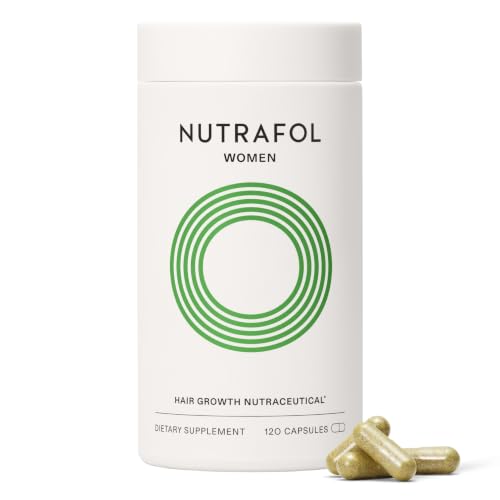
Nutrafol Women Hair Growth Supplements, Ages 18-44 (1-Month Bottle)
 Check Price
Best Value Branded Formula
Viviscal Hair Growth Supplements for Women (180 Tablets, 90-Day Supply)
 Check Price
Best for Men
Nutrafol Men Hair Growth Supplements, Ages 18-49 (1-Month Bottle)
Written by HairGrowthReviews Editorial Team
Reviewed by Ernesta Malinauskytė, PhD, Director of Hair Research, TRI Princeton
Updated 2026-11-20 · Independently researched · How we review
We may earn a commission when you buy through our links, at no cost to you. As an Amazon Associate we earn from qualifying purchases. How we research
The Short Version
- Seven nutrients are worth checking when you are shedding: iron (ferritin), vitamin D, zinc, vitamin B12, folate, biotin and protein. Low iron is the most common, particularly in women who menstruate.
- Nutrient-related hair loss is usually diffuse shedding called telogen effluvium, which starts about two to three months after the shortfall or trigger begins.
- Ask your doctor for ferritin, a complete blood count, 25-hydroxyvitamin D, TSH, vitamin B12 and folate, with zinc if your diet or health puts you at risk.
- Thyroid problems mimic a vitamin deficiency, and too much vitamin A or selenium can cause shedding too, so testing beats guessing.
- Once a deficiency is corrected, shedding usually slows within a few months and regrowth becomes visible over three to six months.
On This Page · 12 sections
Which vitamin deficiency causes hair loss? If you have noticed more hair in the shower drain or on your brush, it is one of the first things worth asking, because a nutrient shortfall is one of the most fixable reasons for shedding. Your hair follicles are some of the busiest cells in the body, and when supplies run short, hair growth is one of the first things the body puts on hold.
The encouraging part is that the list of likely culprits is short, and each one can be checked with ordinary blood work. Low iron stores, low vitamin D, zinc, vitamin B12, folate, biotin and protein account for most nutrition-related shedding. Thyroid problems are not a vitamin issue, but they cause very similar shedding and belong on the same checklist. Once you know which gap applies to you, the fix is usually simple and inexpensive.
This guide walks through how nutrient-related hair loss works, each of the seven deficiencies to test for, the thyroid and over-supplementing mimics, the exact blood tests to ask for, and how long recovery takes. It links to our deeper pages on iron, vitamin D and biotin along the way. If your results show a shortfall and you want product help, our guide to the best hair growth vitamins compares single nutrients and branded formulas.
What Lack of Vitamins Causes Hair Loss, and How It Happens
Each hair follicle cycles between a long growing phase, a short transition and a resting phase, after which the old hair sheds and a new one starts to grow. At any time, most of your hairs are growing. When the body is short of iron, protein, calories or certain vitamins, it can push a larger share of follicles into the resting phase at once. That condition is called telogen effluvium.
The timing surprises many people. Resting hairs stay in place for around two to three months before they fall out, so the extra shedding usually starts two to three months after the shortfall or trigger began. That delay is why people often fail to connect their hair loss with a crash diet, a heavy period of blood loss or a winter of low vitamin D months earlier.
the extra shedding usually starts two to three months after the shortfall or trigger began
Nutrient-related shedding is diffuse. Hair thins evenly across the scalp rather than in patches, and you notice it in the shower, on your pillow and in your brush. Losing about 50 to 100 hairs a day is normal, so the signal is a clear increase over what is usual for you, often with a ponytail that feels thinner.
The table below gives you the seven nutrients at a glance, with thyroid added because it is the most common non-vitamin mimic. The sections that follow explain each one in more detail.
| Who Is at Risk | Signs Besides Hair | Test | Food Sources | |
|---|---|---|---|---|
| Iron (ferritin) | Women with periods, heavy periods, postpartum, vegetarians, blood donors, athletes | Tiredness, pale skin, breathlessness, brittle nails, restless legs, ice cravings | Ferritin and complete blood count | Red meat, shellfish, beans, lentils, fortified cereals |
| Vitamin D | Little sun, darker skin, northern climates, older adults, higher body weight | Often none; sometimes bone aches, muscle weakness, fatigue | 25-hydroxyvitamin D | Oily fish, egg yolks, fortified milk |
| Zinc | Restrictive or plant-only diets, gut absorption problems, heavy alcohol use, weight-loss surgery | Slow wound healing, reduced taste or smell, frequent infections, skin rash | Serum or plasma zinc | Oysters, beef, pumpkin seeds, chickpeas |
| Vitamin B12 | Vegans, adults over 50, metformin or acid-reducer users, weight-loss surgery | Fatigue, pins and needles, sore tongue, memory problems | Serum B12, sometimes methylmalonic acid | Meat, fish, eggs, dairy, fortified nutritional yeast |
| Folate | Low intake of greens, heavy alcohol use, pregnancy, methotrexate, celiac disease | Fatigue, mouth ulcers, sore tongue | Serum folate with complete blood count | Leafy greens, beans, lentils, citrus, fortified grains |
| Biotin | Rare: long-term raw egg whites, some anticonvulsants, biotinidase deficiency | Red scaly rash around eyes, nose and mouth, brittle nails | Not routine; doctor-led | Eggs, salmon, seeds, sweet potato |
| Protein | Crash diets, rapid weight loss, eating disorders, low-protein eating in older adults | Weight loss, weakness, slow healing, swelling in severe cases | Diet review; albumin in severe cases | Eggs, fish, poultry, dairy, legumes, tofu |
| Thyroid (not a vitamin) | Women, postpartum, family history, autoimmune conditions | Fatigue, weight change, feeling cold or hot, heart rate changes | TSH, often with free T4 | Treat the thyroid condition |
Iron: The Most Common Deficiency Behind Hair Loss in Women
If you ask which vitamin deficiency causes hair loss most often, the answer is technically a mineral: iron. Low iron stores, measured by a blood test called ferritin, are one of the most common treatable factors linked to diffuse shedding, especially in women who menstruate. Many dermatologists check ferritin as a first step whenever someone is shedding.
The key word is stores. Ferritin can fall well before you become anemic, so a normal hemoglobin result does not rule out low iron. Women with heavy periods, people who have recently given birth, vegetarians and vegans, frequent blood donors and endurance athletes are the groups most likely to run low.
Ferritin can fall well before you become anemic
Because the body cannot easily get rid of excess iron, this is one nutrient to test before you supplement. Ask for ferritin and a complete blood count. If your stores are low, your doctor will suggest a dose and a plan to retest, and a gentle form such as Thorne Iron Bisglycinate, our top iron pick, tends to be easier on the stomach. It is also worth asking why your iron is low, since heavy periods or digestive problems may need attention of their own.
Our full guide to whether low iron can cause hair loss covers ferritin targets, iron forms and the recovery timeline in detail.
Vitamin D: A Common Gap Linked to Several Types of Hair Loss
Vitamin D is the most common true vitamin deficiency linked to hair loss. Hair follicles have vitamin D receptors, and studies have repeatedly found lower vitamin D levels in people with telogen effluvium, female pattern hair loss and alopecia areata, the autoimmune condition that causes patchy loss.
Low vitamin D is very common and often causes no obvious symptoms, which is why a test is so useful. People who spend little time outdoors, live at northern latitudes, have darker skin, are older or have a higher body weight are more likely to be low, as are people with absorption problems.
Vitamin D is the most common true vitamin deficiency linked to hair loss.
The test to ask for is 25-hydroxyvitamin D. If your level is low, a daily vitamin D3 supplement, such as Nature Made Vitamin D3 2000 IU, is an easy, inexpensive fix, and your doctor may recommend a higher dose for a few months if you are clearly deficient. Our guide to whether vitamin D deficiency can cause hair loss explains the research, and our vitamin D dosing guide covers how much to take and the safe upper limit.
Zinc: A Mineral Your Follicles Rely On
Zinc helps with cell division and protein building, both of which hair growth depends on. A genuine zinc deficiency can cause diffuse shedding, and some studies have found lower zinc levels in people with telogen effluvium and alopecia areata.
Most people who eat a varied diet get enough zinc. Deficiency is more likely with restrictive or plant-only diets, digestive conditions such as Crohn's disease or celiac disease, heavy alcohol use and weight-loss surgery. Other signs can include slow wound healing, a reduced sense of taste or smell, frequent infections and skin rashes.
Stay at or below the adult upper limit of 40 mg a day
A serum or plasma zinc test can check your level. It is usually done in the morning, and results can read low during an illness, so your doctor will interpret it in context. If you are low, a short course at a sensible dose usually does the job. Stay at or below the adult upper limit of 40 mg a day unless your doctor advises otherwise, because long-term high-dose zinc can lower copper levels and cause problems of its own.
Vitamin B12 and Folate: The B Vitamins to Check
Vitamin B12 and folate both help your body make red blood cells and copy DNA, which matters for fast-dividing cells like hair follicles. Low levels of either can cause anemia, and both have been linked to hair shedding in some studies. They are easy to test together, and many doctors include them in a hair loss workup.
B12 deficiency is more likely in vegans and some vegetarians, adults over 50, people taking metformin or long-term acid reducers, and anyone with pernicious anemia or a history of weight-loss surgery. Signs besides hair can include fatigue, pale skin, pins and needles in the hands or feet, a sore tongue and memory problems. The usual test is serum B12, sometimes with methylmalonic acid when results are borderline.
Testing both at once matters.
Folate deficiency is more common with a diet low in leafy greens and legumes, heavy alcohol use, pregnancy, celiac disease and some medications, such as methotrexate. Signs include fatigue, mouth ulcers and a sore tongue. A serum folate test, read alongside a complete blood count, checks your level.
Testing both at once matters. High doses of folic acid can correct the anemia caused by low B12 while the B12 deficiency itself continues, which can delay diagnosis. Checking both first means you take the one you actually need.
Our #1 pick for hair growth vitamins
Nutrafol Women Hair Growth Supplements, Ages 18-44 (1-Month Bottle)
The most credible branded hair supplement for women, with research behind the formula and a broad, thoughtful approach.
Biotin and Protein: The Rare One and the Overlooked One
Biotin is the best-known hair vitamin, and a genuine shortage does cause thinning hair, along with a red, scaly rash around the eyes, nose and mouth and brittle nails. True deficiency is rare in people who eat a varied diet. It is more likely with long-term raw egg white intake, some anticonvulsant medications or the inherited condition biotinidase deficiency. Many people still take a moderate dose as insurance, and our page on whether biotin really helps hair growth covers how to do that well.
One biotin tip matters for everyone reading this page. High-dose biotin can make some blood tests read falsely high or falsely low, including thyroid tests and troponin. If you take biotin in any form, including a hair gummy or multivitamin, tell your doctor before your blood work and ask how long to pause it, often a few days.
Protein is the deficiency people overlook.
Protein is the deficiency people overlook. Hair is built mostly from keratin, a protein, and when intake drops sharply, the body diverts protein to more essential jobs. Crash diets, very low-calorie plans, rapid weight loss, eating disorders and low-protein eating in older adults can all trigger telogen effluvium two to three months later.
There is no single blood test for protein intake, so a doctor will usually start with a diet review, with albumin checked in more severe cases. Adults generally need at least 0.8 grams of protein per kilogram of body weight a day, and spreading eggs, fish, poultry, dairy, legumes or tofu across your meals is the simplest fix.
Not a Vitamin: Thyroid Problems and Too Much of a Good Thing
Thyroid problems are the most common mimic of a vitamin deficiency. Both an underactive and an overactive thyroid can cause diffuse shedding that looks exactly like nutrient-related hair loss. Thyroid conditions are especially common in women and after pregnancy, and the clue is often other symptoms such as tiredness, weight change, feeling unusually cold or hot, or a change in heart rate. A TSH test, often with free T4, checks your thyroid, and treating the thyroid usually lets the hair recover.
Over-supplementing can cause shedding too. Too much vitamin A, usually from high-dose supplements or stacking several products that contain retinol, is a well-known cause of hair loss. The adult upper limit for preformed vitamin A is 3,000 mcg, or 10,000 IU, a day. Excess selenium can also cause hair loss and brittle nails, and the adult upper limit is 400 mcg a day. Brazil nuts are so rich in selenium that eating several a day on top of a supplement can push you over.
Thyroid problems are the most common mimic of a vitamin deficiency.
Other common triggers deserve a place on the list. Stress, illness, high fevers, surgery, childbirth and starting or stopping certain medications can all cause telogen effluvium. Pattern hair loss, which shows up as a receding hairline, a thinning crown or a widening part, is the most common cause of gradual thinning overall and responds best to minoxidil.
If your loss is sudden, patchy, painful or comes with redness or scaling, see a dermatologist. Those patterns often point to alopecia areata or a scalp condition that needs a diagnosis, and early treatment gives the best results.
Which Blood Tests to Ask For
A short panel covers almost every nutrition question about hair loss. When you see your doctor, describe when the shedding started, what changed two to three months before, and whether you see thinning all over or in a pattern. Then ask about the tests below. Many are routine and often covered by insurance.
Bring a list of every supplement you take, including gummies and multivitamins. Pause biotin before the draw as your lab advises, because it can distort thyroid results. If you have a cold or infection, mention it, since inflammation can raise ferritin and lower zinc temporarily.
A short panel covers almost every nutrition question about hair loss.
Keep your results. They give you a baseline, tell you which single supplement to buy, and let you confirm later that your levels have improved. If everything comes back normal, that is useful too, because it points your doctor toward stress, pattern hair loss or another cause.
| What It Shows | When to Ask | |
|---|---|---|
| Ferritin | Stored iron | Almost always, especially for women |
| Complete blood count | Anemia and red cell size | Almost always |
| 25-hydroxyvitamin D | Vitamin D status | Almost always |
| TSH, often with free T4 | Thyroid function | Almost always |
| Vitamin B12 | B12 status | Plant-based diet, over 50, metformin or acid reducers |
| Folate | Folate status | Low intake of greens, heavy alcohol use, pregnancy |
| Zinc | Zinc status | Restrictive diet, gut absorption problems |
How Long Hair Takes to Recover, and Why Not to Megadose
Recovery follows the hair cycle, so it takes patience. Once a deficiency is corrected, shedding usually slows over the next two to three months as the follicles that were pushed into the resting phase finish their cycle. New growth then appears as short, fine hairs along the part and hairline, and regrowth usually becomes visible over three to six months. Getting back to full density can take six to twelve months or longer.
Your blood levels recover on their own timeline too. Many doctors retest after about three months to check that iron, vitamin D or B12 is rising and to decide when to step down to a maintenance dose. Take photos every month or two in the same light, which gives you a clear record of progress.
More is not better with hair nutrients
Resist the urge to megadose. More is not better with hair nutrients, and several of them cause problems in excess. Too much iron builds up in the body, too much vitamin A and selenium can cause the very shedding you are trying to fix, and high-dose zinc can lower copper. Correcting the specific nutrient you are low in, at the dose your doctor suggests, is what helps.
If you want a single product that covers several bases, a well-designed formula such as Nutrafol or Viviscal can be a convenient choice once you know your levels, as long as you check the totals against anything else you take. If your nutrients are back in range and your hair is still thinning after six months, ask a dermatologist about pattern hair loss, where minoxidil makes a strong partner to your nutrition routine.
Frequently Asked Questions
What vitamin deficiency causes hair loss most often?
Low iron stores, measured by ferritin, are the most common nutrient link to hair loss, especially in women who menstruate. Low vitamin D is the most common true vitamin deficiency linked to shedding. A blood test for both is a sensible first step.
What lack of vitamins causes hair loss in females?
Women are most often low in iron, because of periods, pregnancy and childbirth, and vitamin D is another frequent gap. Thyroid problems are also more common in women and cause similar shedding, so ask for ferritin, a blood count, vitamin D and TSH together.
Can low vitamin B12 cause hair loss?
It can contribute. B12 deficiency causes anemia and has been linked to hair shedding in some studies. Vegans, adults over 50 and people taking metformin or long-term acid reducers are most at risk, and a serum B12 test checks your level.
How long after a deficiency does hair fall out?
Shedding from telogen effluvium usually starts about two to three months after the shortfall or trigger begins. That delay is why the cause is often something that happened months earlier, such as a crash diet, heavy blood loss or illness.
Will hair grow back after fixing a vitamin deficiency?
Usually, yes. Once the shortfall is corrected, shedding tends to slow within two to three months, and regrowth becomes visible over three to six months. Full density can take six to twelve months. If thinning continues, ask a dermatologist about pattern hair loss.
Should I take a multivitamin for hair loss without testing?
A basic multivitamin is a reasonable everyday habit, but testing tells you whether you need a targeted dose of iron, vitamin D or B12, which a multivitamin may not supply. Avoid stacking several hair products, because too much vitamin A or selenium can cause shedding.
Can taking too many vitamins cause hair loss?
Yes. Excess vitamin A and selenium are both known causes of hair loss. The adult upper limits are 3,000 mcg (10,000 IU) of preformed vitamin A and 400 mcg of selenium a day. Add up the amounts across every supplement you take.
What blood test should I ask for if my hair is falling out?
Ask for ferritin, a complete blood count, 25-hydroxyvitamin D and TSH, and add vitamin B12, folate and zinc if your diet or health puts you at risk. Tell the lab if you take biotin, and pause it beforehand as advised.
The Bottom Line
Low iron, vitamin D, zinc, vitamin B12, folate, biotin and protein can all cause shedding, and low iron is the most common, especially in women. Thyroid problems and too much vitamin A or selenium mimic them, so start with a simple blood panel rather than guessing. Correct what is low at a sensible dose, and give your hair three to six months to show the recovery.
Related Questions
- How Much Biotin Should I Take Daily for Hair Growth? →
- Do Prenatal Vitamins Help Hair Growth If You're Not Pregnant? →
- Can Low Iron Cause Hair Loss? →
- Can Vitamin D Deficiency Cause Hair Loss? →
- How Much Vitamin D Should I Take for Hair Loss? →
- What Is Biotin, and Does It Really Help Hair Growth? →
- Can Stress Cause Hair Loss? →
- How to Prevent Hair Loss and Thinning: 10 Steps That Work →
Buyer's Guides
Hair Growth & Hair Loss
Best Iron Supplement for Hair Loss
Low iron stores are one of the most common treatable contributors to shedding in women. The right supplement, matched to your blood test, can make a real difference to your hair and your energy.
Hair Growth & Hair Loss
Best Vitamin D Supplement for Hair Loss
Low vitamin D turns up again and again in people who are shedding, and topping it up is one of the simplest, most affordable steps you can take. Here is what the research shows, how to find your ideal dose, and which D3 supplements we like best.
Hair Growth & Hair Loss
Best Biotin for Hair Growth
Biotin is the most popular hair supplement on the shelf. Here is how to choose a great one, pick a sensible dose, plan around blood tests and get the best value from a simple daily vitamin.
Hair Growth & Hair Loss
Best Hair, Skin & Nails Supplement
Hair, skin and nails vitamins pack biotin, antioxidant vitamins and beauty extras into one easy daily gummy or softgel. Here are the best formulas to buy, from drugstore classics to vegan gummies.