Our Picks at a Glance
- 1
 Check Price →
- 2
 Check Price →
Best Premium Prenatal
Ritual Essential Prenatal Multivitamin with Folate, Choline, Omega-3 DHA & Iron (30 Servings) - 3
 Check Price →
Best Active Folate
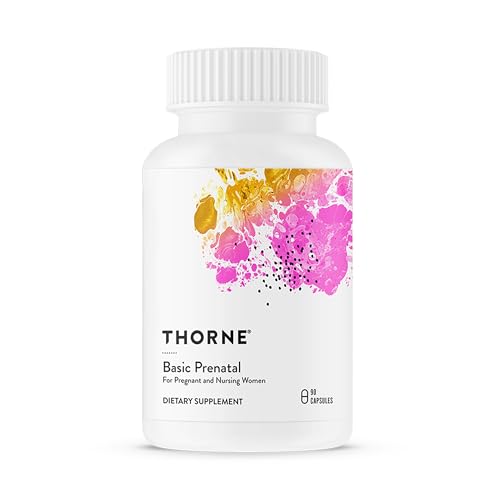
THORNE Basic Prenatal with Active Folate, Choline & Iron (90 Capsules) - 4
 Check Price →
Best Vegetarian Tablet
MegaFood Baby & Me 2 Prenatal Vitamins (60 Tablets, 30 Servings) - 5
 Check Price →
Best With Biotin and Iron
Rainbow Light Prenatal Vitamins for Women with Iron, Folate & Biotin (30 Caplets) - 6
 Check Price →
Best Gummy Prenatal
Vitafusion Prenatal Vitamin Gummies with Folate & DHA, Raspberry Lemonade (90 Count)
The Short Version
- A complete prenatal supplies iron, folate, biotin, zinc and vitamin D, nutrients that support normal hair growth during pregnancy and postpartum.
- Nature Made Prenatal Vitamins with Folic Acid + DHA is our best overall pick: one softgel a day from a trusted brand at an easy price.
- Ritual Essential Prenatal is our premium favorite, Thorne Basic Prenatal offers active folate, and Vitafusion gummies suit anyone who dislikes pills.
- Pregnancy hair changes and postpartum shedding are mainly hormonal; a prenatal keeps your nutrition strong while your hair settles back into its usual cycle.
- Choose your prenatal with your doctor or midwife, take only one multivitamin at a time, and keep iron-containing supplements away from children.
On This Page · 12 sections
The best prenatal vitamin for hair growth is a complete, well-made prenatal that covers iron, folate, vitamin D and the B vitamins, and our top pick is Nature Made Prenatal Vitamins with Folic Acid + DHA: a once-daily softgel from a trusted brand at a price that is easy to keep up for the whole pregnancy and beyond. Ritual Essential Prenatal is our favorite premium choice, Thorne Basic Prenatal is the pick for active folate, and Vitafusion's gummies are perfect if you struggle to swallow pills.
Many people notice that their hair feels thicker and fuller during pregnancy, then sheds noticeably a few months after the baby arrives. That shift is driven mostly by hormones, and it is completely normal. What a prenatal does is keep your nutrient levels topped up through a time of huge demand, so your body has the iron, folate, biotin, zinc and vitamin D it uses to support normal hair growth while also nourishing your baby. People often search for the best prenatals for hair growth because a single daily prenatal is the simplest way to cover all of that at once.
Choosing a prenatal is always a decision to make with your doctor or midwife, who knows your blood work, diet and health history, and some people are prescribed a specific prenatal. We ranked the picks below on nutrient coverage for hair and pregnancy, brand reputation and quality testing, ease of taking them, value and buyer feedback. This is research-based, not a hands-on test. If you are already postpartum and dealing with shedding, our guide to the best postpartum hair loss products covers gentle hair care to pair with your prenatal.
How Pregnancy and Postpartum Change Your Hair
Every hair on your head cycles through a growth phase, a short transition phase and a resting phase before it sheds and a new hair takes its place. Normally, a portion of your hair is in the resting phase at any time, which is why everyone sheds some hair every day. Pregnancy changes that balance in a way many people love.
During pregnancy, rising estrogen keeps more hairs in the growth phase for longer, so fewer hairs shed. That is why so many people describe their pregnancy hair as thicker, shinier and fuller than ever. It is one of the nicer surprises of pregnancy, and it is entirely driven by hormones.
A good prenatal keeps those levels topped up so your hair has what it needs as it grows back in.
After birth, hormone levels fall and the hairs that stayed in the growth phase move into the resting phase together. Two to four months later, they shed, often in noticeable amounts in the shower or on your brush. This postpartum shedding, called telogen effluvium, is very common and usually settles within about six to twelve months as your hair returns to its normal cycle.
Nutrition matters throughout this whole journey. Pregnancy and breastfeeding increase your need for iron, folate, iodine and other nutrients, and your hair follicles, some of the fastest-growing tissues in the body, rely on a steady supply. A good prenatal keeps those levels topped up so your hair has what it needs as it grows back in.
The Prenatal Nutrients That Matter Most for Hair
Iron is the nutrient most closely linked with hair in women. Your blood volume expands dramatically during pregnancy, so iron needs rise sharply, and low iron stores are one of the first things doctors check when someone notices extra shedding. Most prenatals include iron, and your doctor may adjust the amount based on your blood work.
Folate supports normal cell division, which is why it is the cornerstone of every prenatal: it is essential for your baby's early development. Hair follicles are also made of rapidly dividing cells, so folate supports them too. You will see it listed as folic acid or as methylfolate, an active form that some people prefer.
Iron is the nutrient most closely linked with hair in women.
Biotin is the nutrient most people associate with hair, and it contributes to the maintenance of normal hair. Research suggests biotin levels can dip during some pregnancies, and most prenatals include it, so you are covered without adding a separate biotin product. Vitamin D plays a role in the hair growth cycle, and many people run low, especially in winter.
Zinc and iodine round out the list. Zinc contributes to the maintenance of normal hair, and iodine supports normal thyroid function, which matters because the thyroid helps regulate the hair cycle. A complete prenatal covers all of these in sensible amounts, which is far better than stacking several single-nutrient supplements on top of each other.
| Role for Hair | Why It Matters in Pregnancy | |
|---|---|---|
| Iron | Supports normal hair growth; low stores linked to shedding | Needs rise sharply as blood volume expands |
| Folate | Supports normal cell division in the follicle | Essential for baby's early development |
| Biotin | Contributes to the maintenance of normal hair | Levels can dip in some pregnancies |
| Vitamin D | Plays a role in the hair growth cycle | Many people run low, especially in winter |
| Zinc | Contributes to the maintenance of normal hair | Needs increase during pregnancy |
| Iodine | Supports normal thyroid function | Needs increase in pregnancy and breastfeeding |
The 6 Best Prenatal Vitamins for Hair Growth
We chose complete prenatals from trusted brands, covering softgels, capsules, tablets and gummies. We ranked them on hair-supporting nutrients, quality testing, ease of use, value and buyer feedback. Take your shortlist to your doctor or midwife.
Nature Made Prenatal Vitamins with Folic Acid + DHA (110 Softgels)
Once-Daily Prenatal Softgel
Best for: Anyone who wants a trusted, affordable, once-daily prenatal with iron and DHA
- Format
- Softgel
- Supply
- 110 softgels, 110 days (per listing)
- Highlights
- Folic acid, iron, DHA
- Daily dose
- One softgel
Nature Made is one of the most trusted vitamin brands in the United States, and its prenatal with folic acid and DHA is the one we would put at the top of any shortlist to take to your doctor. It combines the essentials for pregnancy, including folic acid and iron, with omega-3 DHA in a single softgel a day. The 110-softgel bottle covers more than three months, which makes it one of the best values among complete prenatals.
For hair, the iron and folic acid are the stars. Iron needs rise sharply during pregnancy, and keeping iron levels healthy supports normal hair growth as well as your energy. Folate supports normal cell division, which matters for your baby's development and for fast-growing tissues like the hair follicle. Nature Made is also one of the best-known names in the USP Verified program, which independently checks that supplements contain what the label says, so check your bottle for the mark.
It is the perfect everyday prenatal for most people: simple, affordable, easy to find and easy to take. Taking the softgel with a meal helps if iron tends to upset your stomach, and the one-a-day routine makes it easy to keep going into the postpartum months if your doctor recommends it.
What We Liked
- One softgel a day with folic acid, iron and DHA
- More than three months' supply at a great price
- Trusted brand known for USP verification
What We Didn't
- Softgels are fairly large for some people
- Uses folic acid rather than methylfolate, if you prefer that form
The Bottom Line
The prenatal we would buy first: complete, trusted, once a day and priced to last the whole pregnancy.
Ritual Essential Prenatal Multivitamin with Folate, Choline, Omega-3 DHA & Iron (30 Servings)
Vegan Prenatal Capsule
Best for: People who want a vegan prenatal with folate, iron and DHA in one product
- Format
- Capsule
- Supply
- 30 servings (per listing)
- Highlights
- Folate, choline, DHA, iron
- Diet
- Vegan (per listing)
Ritual has built a loyal following with its minimalist approach to vitamins, and its Essential Prenatal is one of the most popular premium prenatals on Amazon. Rather than packing in every nutrient, it focuses on key nutrients for pregnancy, including folate, choline, omega-3 DHA and iron, and it is vegan, according to the listing. Ritual is also known for being open about where its ingredients come from.
For hair, the iron and folate are what count most, and having DHA built in means you do not need a separate omega-3 supplement. The vegan DHA is a big plus for vegetarians and vegans, who often find it harder to get omega-3s from their diet. The capsules are designed to be easy to take, and many buyers love the clean, simple routine.
Choose Ritual if you value a focused, vegan formula and are happy to pay a premium for it. Because it concentrates on key nutrients rather than a long list, it is worth showing the label to your doctor so they can confirm it covers what you need, especially if your blood work shows you are low in a particular nutrient.
What We Liked
- Vegan formula with folate, iron, choline and DHA
- DHA built in, so no separate omega-3 needed
- Brand known for ingredient transparency
What We Didn't
- Premium price per month
- Focused formula has fewer nutrients than some prenatals
The Bottom Line
The best premium prenatal: vegan, focused and complete with iron and DHA in one daily serving.
THORNE Basic Prenatal with Active Folate, Choline & Iron (90 Capsules)
Prenatal Capsule
Best for: People who prefer active folate and a third-party certified supplement
- Format
- Capsule
- Count
- 90 capsules
- Highlights
- Active folate, choline, iron
- Testing
- NSF Certified for Sport (per listing)
Thorne is a highly respected supplement maker, popular with practitioners and athletes, and its Basic Prenatal is a comprehensive multivitamin for pregnant and nursing women. It uses active folate, the form of folate the body can use directly, along with choline and iron, and the listing notes it is NSF Certified for Sport, one of the strictest independent testing programs for supplements.
That active folate is the main reason people choose Thorne. Some people, and some doctors, prefer methylfolate to folic acid, and Thorne makes that easy. Combined with iron and a broad range of B vitamins, it covers the core nutrients that support normal hair growth. It is also free of gluten, dairy and soy, according to the listing, which suits anyone avoiding those ingredients.
Thorne's serving is split across more than one capsule a day, so check the label for how long a bottle lasts. It is designed for both pregnancy and nursing, which makes it an easy prenatal to stay on after your baby arrives if your doctor agrees.
What We Liked
- Active folate for those who prefer methylfolate
- NSF Certified for Sport, a strict testing program
- Designed for pregnancy and nursing
What We Didn't
- Multi-capsule daily serving
- Does not include DHA, so pair with an omega-3 if advised
The Bottom Line
The best pick for active folate and independent testing, from a brand practitioners trust.
MegaFood Baby & Me 2 Prenatal Vitamins (60 Tablets, 30 Servings)
Prenatal Tablet
Best for: Vegetarians who want methylfolate, iron and iodine in a doctor-formulated tablet
- Format
- Tablet
- Supply
- 60 tablets, 30 servings (per listing)
- Highlights
- Methylfolate, choline, iron, iodine, D3
- Diet
- Vegetarian, non-GMO (per listing)
MegaFood is a well-loved brand known for its food-based approach to vitamins, and Baby & Me 2 is its flagship prenatal. The listing describes it as doctor formulated, with methylfolate, choline, iron, iodine, vitamin C and vitamin D3, in a vegetarian, non-GMO tablet. It is one of the most popular prenatals among buyers who want a natural-feeling brand with a complete formula.
For hair, it ticks every box: iron, folate in its methylated form, vitamin D and iodine, which supports normal thyroid function, an important part of healthy hair. Vitamin C also helps your body absorb iron from food, a nice bonus in a prenatal. Many buyers say they find it easy on the stomach, though everyone is different.
The serving is two tablets a day, which makes it easy to split between breakfast and dinner if a single large dose does not agree with you. It is a lovely choice for vegetarians who want a thorough formula from a brand with a strong reputation.
What We Liked
- Methylfolate, iron, iodine and vitamin D3 in one formula
- Vegetarian and non-GMO
- Two-tablet serving is easy to split across meals
What We Didn't
- Two tablets a day rather than one
- No DHA in this version; MegaFood sells a separate DHA option
The Bottom Line
A thorough, vegetarian prenatal with methylfolate and iron from a trusted food-based brand.
Rainbow Light Prenatal Vitamins for Women with Iron, Folate & Biotin (30 Caplets)
Prenatal Caplet
Best for: People who want a budget-friendly prenatal that lists iron, folate and biotin up front
- Format
- Caplet
- Count
- 30 caplets
- Highlights
- Iron, folate, biotin, probiotics
- Best for
- Trying a prenatal at a low price
Rainbow Light has been making prenatal vitamins for decades, and its prenatal is one of the few that puts iron, folate and biotin right in the product title. For a hair-focused shopper, that is a helpful signal: those three nutrients are among the most important for supporting normal hair growth, and you can see at a glance that they are included.
The formula also includes probiotics and food-based nutrients, according to the listing, which many buyers appreciate as part of a gentle daily routine. Biotin needs can rise during pregnancy, and research suggests biotin levels can dip in some pregnancies, so having it built into your prenatal is a simple way to cover it without adding a separate, high-dose biotin product.
The 30-caplet bottle is an inexpensive way to try a new prenatal and see how it suits you before committing to a larger size. Rainbow Light also sells larger bottles of its prenatal line, so you can step up once you know you like it.
What We Liked
- Iron, folate and biotin highlighted on the label
- Includes probiotics and food-based nutrients
- Low price for trying a new prenatal
What We Didn't
- Small 30-caplet bottle
- Caplets are large for some people
The Bottom Line
A budget-friendly prenatal that puts the key hair nutrients, iron, folate and biotin, right on the label.
Vitafusion Prenatal Vitamin Gummies with Folate & DHA, Raspberry Lemonade (90 Count)
Prenatal Gummy
Best for: Anyone who struggles to swallow pills, especially with morning sickness
- Format
- Gummy
- Count
- 90 gummies
- Highlights
- Folate and DHA
- Flavor
- Raspberry lemonade
Vitafusion is one of the best-known gummy vitamin brands, and its prenatal gummies are a favorite with people who find big tablets hard to face, particularly during the queasy weeks of early pregnancy. The raspberry lemonade gummies deliver folate and DHA in a format that feels more like a treat than a chore, and they are gluten and dairy free, according to the listing.
For hair, folate is the headline nutrient, supporting normal cell division, and many buyers say a gummy is the only prenatal they can take consistently through morning sickness. Consistency matters more than anything, so a prenatal you actually take every day is a real win.
Like most prenatal gummies, its label focuses on folate and DHA rather than iron, so ask your doctor whether you need iron from another source, especially if your blood work shows low iron. It is also an easy, low-cost option to keep on hand as a backup on days when tablets just are not going to happen.
What We Liked
- Easy-to-take gummy with a pleasant flavor
- Folate and DHA in one product
- Very affordable and widely available
What We Didn't
- Gummies contain some sugar
- May need a separate iron source if your doctor advises
The Bottom Line
The best prenatal for pill-averse moms: tasty, easy and a great way to stay consistent.
How to Choose a Prenatal for Healthy Hair
Start with your doctor or midwife. They know your blood work, diet and medical history, and they may recommend a specific prenatal, a particular iron dose or a form of folate. Bring your shortlist to an appointment and ask which one suits you; it is a quick conversation that makes the choice easy.
Next, check the label for the nutrients that matter. Look for iron, folate or methylfolate, vitamin D, iodine and the B vitamins, including biotin. Decide whether you want DHA built in, as with Nature Made and Ritual, or whether you will take a separate omega-3 if your doctor recommends one.
The best prenatal is the one you can take every single day.
Look for quality signals. Supplements are not approved by the FDA before they are sold, so choosing an established brand and, where possible, an independent testing mark such as USP or NSF gives you confidence that what is in the bottle matches the label. Nature Made and Thorne are both strong choices on this front.
Finally, think about how you will actually take it. A once-daily softgel is simplest, a two-tablet serving can be split across meals, and gummies are a lifesaver during morning sickness. The best prenatal is the one you can take every single day.
| What to Look For | Why It Matters | |
|---|---|---|
| Doctor's guidance | Recommended for you | Matches your blood work and history |
| Iron | Included, unless your doctor says otherwise | Needs rise in pregnancy; supports normal hair growth |
| Folate form | Folic acid or methylfolate | Both supply folate; some prefer the active form |
| Testing mark | USP or NSF seal | Independent check that the label is accurate |
| Format | Softgel, tablet, capsule or gummy | Pick what you can take every day |
Prenatals vs. Hair Gummies During Pregnancy
If you have been taking a hair, skin and nails supplement, it is natural to wonder whether to keep it going once you are pregnant. The good news is that a complete prenatal already supplies the core nutrients those products are built around, such as biotin, zinc, folate and vitamin D, along with iron and other nutrients that matter for pregnancy.
That makes your prenatal the simplest way to support healthy hair during this time. Stacking a hair supplement on top can double up on nutrients like vitamin A, biotin or zinc, and many branded hair formulas include herbal extracts that are not intended for pregnancy or breastfeeding.
Protein is the building block of hair
So the easiest routine is one prenatal, chosen with your doctor, plus a nourishing diet with plenty of protein, leafy greens, beans, eggs, dairy or fortified alternatives, and iron-rich foods. Protein is the building block of hair, so making sure you eat enough is one of the best things you can do for your hair.
If you want to return to a hair supplement after pregnancy and breastfeeding, talk to your doctor about timing. Our guides to the best hair growth vitamins and the best biotin for hair growth cover those options for when you are ready.
Keeping Up Your Prenatal After Baby Arrives
Many doctors recommend continuing a prenatal, or switching to a postnatal formula, while you are breastfeeding, because lactation keeps your nutrient needs high. Even if you are not breastfeeding, your body is recovering from pregnancy and birth, and some people are low in iron after delivery. Ask your doctor how long to continue.
Staying on your prenatal through the postpartum months means your hair has a steady supply of iron, folate, biotin, zinc and vitamin D while it moves through its shedding phase and starts growing back. The shedding itself is hormonal and temporary, but good nutrition helps the new growth come in strong.
The shedding itself is hormonal and temporary, but good nutrition helps the new growth come in strong.
Pair your prenatal with gentle hair care during this time. Use a volumizing shampoo, a wide-tooth comb or detangling brush, loose hairstyles and soft scrunchies or claw clips that do not pull on the hairline. Our guide to the best postpartum hair loss products rounds up our favorites.
Most postpartum shedding settles within about six to twelve months. If shedding continues beyond that, is very heavy, or comes with fatigue, feeling cold or other symptoms, ask your doctor to check your iron and thyroid levels, since both can shift after pregnancy.
Tips for Taking Your Prenatal Comfortably and Safely
Iron is the ingredient most likely to upset your stomach. Taking your prenatal with a meal or just before bed helps many people, and a two-tablet formula can be split between breakfast and dinner. If nausea or constipation persists, tell your doctor, who may suggest a different prenatal or iron form.
Take only one multivitamin at a time. Prenatals are formulated to cover your daily needs, so adding a second multivitamin or a separate hair supplement can push nutrients like vitamin A, iron or zinc higher than intended. Show your doctor everything you take, including teas and herbal products.
Take only one multivitamin at a time.
If your prenatal contains biotin, mention it to your doctor before blood tests, since biotin can interfere with some lab results. Store all iron-containing supplements, including gummies, out of reach of children, because accidental iron overdose is dangerous for young children.
Finally, if you notice sudden, patchy or very heavy hair loss, or hair loss with scalp redness, scaling or pain, see your doctor or a dermatologist. Most pregnancy and postpartum hair changes are normal, but it is always worth getting unusual changes checked.
Compared Side by Side
| Product | Format | Key Hair Nutrients | DHA Included | Best For |
|---|---|---|---|---|
| Nature Made Prenatal + DHA | Softgel | Iron, folic acid | Yes | Best overall |
| Ritual Essential Prenatal | Capsule | Iron, folate | Yes | Premium, vegan |
| Thorne Basic Prenatal | Capsule | Iron, active folate, B vitamins | No | Active folate |
| MegaFood Baby & Me 2 | Tablet | Iron, methylfolate, D3, iodine | No | Vegetarians |
| Rainbow Light Prenatal | Caplet | Iron, folate, biotin | No | Budget, biotin listed |
| Vitafusion Prenatal Gummies | Gummy | Folate | Yes | Pill-averse moms |
Ready to Buy? Our Picks Again
- 1Check Price →
- 2Check Price →
Best Premium Prenatal
Ritual Essential Prenatal Multivitamin with Folate, Choline, Omega-3 DHA & Iron (30 Servings) - 3Check Price →
Best Active Folate
THORNE Basic Prenatal with Active Folate, Choline & Iron (90 Capsules) - 4Check Price →
Best Vegetarian Tablet
MegaFood Baby & Me 2 Prenatal Vitamins (60 Tablets, 30 Servings) - 5Check Price →
Best With Biotin and Iron
Rainbow Light Prenatal Vitamins for Women with Iron, Folate & Biotin (30 Caplets) - 6Check Price →
Best Gummy Prenatal
Vitafusion Prenatal Vitamin Gummies with Folate & DHA, Raspberry Lemonade (90 Count)
Common Mistakes to Avoid
Choosing a Prenatal Without Your Doctor
Your doctor or midwife knows your blood work and history, and they may want you on a specific iron dose or form of folate. Bring your shortlist to an appointment before you buy. It takes a few minutes and makes sure your prenatal supports both you and your baby as well as possible.
Stacking a Hair Supplement on Top
It is tempting to add a hair gummy for extra support, but a complete prenatal already covers biotin, zinc, folate and vitamin D. Adding another product can double up on nutrients like vitamin A and may include herbal extracts not intended for pregnancy. Stick with one prenatal unless your doctor suggests otherwise.
Stopping Right After Delivery
Your nutrient needs stay high after birth, especially while breastfeeding, and this is exactly when postpartum shedding begins. Many doctors recommend continuing your prenatal or switching to a postnatal. Ask how long to keep going so your hair has steady support while it grows back.
Taking Iron on an Empty Stomach If It Upsets You
If your prenatal makes you queasy, try taking it with a meal or at bedtime, or split a two-tablet serving across the day. A gummy can help on rough days. Small changes like these make it much easier to take your prenatal consistently, which is what matters most.
Forgetting About Protein
A prenatal fills nutrient gaps, but hair is built from protein. Include protein at every meal, from eggs, dairy, fish, poultry, beans, lentils or tofu, along with iron-rich foods and leafy greens. Your prenatal and your plate work best together for healthy, strong hair.
Frequently Asked Questions
What is the best prenatal vitamin for hair growth?
Nature Made Prenatal Vitamins with Folic Acid + DHA is our best overall pick: one softgel a day with folic acid, iron and DHA from a trusted brand at a great price. Ritual Essential Prenatal is our premium favorite, Thorne Basic Prenatal is best for active folate, and Vitafusion gummies are best if you dislike pills. Choose with your doctor.
Do prenatal vitamins make your hair grow?
Prenatal vitamins supply nutrients such as iron, folate, biotin, zinc and vitamin D that support normal hair growth. The thicker hair many people notice during pregnancy comes mainly from hormones, which keep more hairs in the growth phase. A prenatal helps by making sure your body has the nutrients it needs for healthy hair.
Should I take prenatal vitamins for hair if I am not pregnant?
Prenatals are designed for pregnancy, and they often contain more iron and folate than a standard multivitamin. If you are not pregnant or trying to conceive, a regular multivitamin or a targeted supplement may suit you better. Ask your doctor, who can check your iron and vitamin D levels and recommend the right option.
Which nutrients in a prenatal help hair the most?
Iron, folate, biotin, vitamin D, zinc and iodine are the key nutrients for hair. Iron is the one most closely linked with shedding in women, and needs rise sharply in pregnancy. Biotin and zinc contribute to the maintenance of normal hair, and iodine supports thyroid function, which helps regulate the hair cycle.
Can a prenatal stop postpartum hair loss?
Postpartum shedding is driven by the drop in hormones after birth, and it is normal and temporary, usually settling within six to twelve months. A prenatal keeps your nutrition strong while your hair moves through that phase and grows back. Our postpartum hair loss guide covers gentle hair care to pair with it.
Is it safe to take biotin while pregnant?
Most prenatal vitamins already include biotin in sensible amounts, which is the simplest way to cover it. Talk to your doctor before adding a separate, high-dose biotin product, and mention any biotin you take before blood tests, since it can interfere with some lab results.
Are prenatal gummies as good as tablets for hair?
Gummies are a great option if you struggle to swallow pills, and a prenatal you take every day is better than one you skip. Many gummies leave out iron, though, so check the label and ask your doctor whether you need an iron source. Tablets and softgels usually include iron and a broader range of nutrients.
The Bottom Line
The best prenatal for healthy hair is a complete, trusted formula you take every day, chosen with your doctor. Nature Made Prenatal with Folic Acid + DHA is our top pick for its once-daily simplicity, iron and great value. Choose Ritual for a premium vegan formula, Thorne for active folate, MegaFood for a vegetarian tablet, or Vitafusion gummies if pills are a struggle, and keep taking it into the postpartum months if your doctor recommends it.
More Buyer's Guides
Hair Growth & Hair Loss
Best Postpartum Hair Loss Products
Postpartum hair loss looks alarming but is almost always temporary. The right products make thinning less obvious, cut breakage and keep your routine gentle and breastfeeding-friendly while your hair recovers.
Hair Growth & Hair Loss
Best Biotin for Hair Growth
Biotin is the most popular hair supplement on the shelf. Here is how to choose a great one, pick a sensible dose, plan around blood tests and get the best value from a simple daily vitamin.
Hair Growth & Hair Loss
Best Iron Supplement for Hair Loss
Low iron stores are one of the most common treatable contributors to shedding in women. The right supplement, matched to your blood test, can make a real difference to your hair and your energy.
Hair Growth & Hair Loss
Best Vitamin D Supplement for Hair Loss
Low vitamin D turns up again and again in people who are shedding, and topping it up is one of the simplest, most affordable steps you can take. Here is what the research shows, how to find your ideal dose, and which D3 supplements we like best.
Hair Growth & Hair Loss
Best Hair Growth Vitamins
Hair growth vitamins are one of the most popular ways to support fuller, healthier-looking hair from the inside. Our favorites either target a nutrient you are low in or have placebo-controlled research behind the formula.
Hair Growth & Hair Loss
Best Hair Growth Products for Women
Female hair thinning has more possible causes than male pattern loss, and only one over-the-counter drug approved to treat it. We picked the best product in each category and explain what each one does best.