The Short Answer
Low porosity hair has a tightly closed cuticle, the outer layer of each strand, so water and products struggle to get in. It tends to take a long time to get wet and to dry, products sit on top or build up, and it can feel dry yet look shiny. It is a natural hair trait, not damage, and responds best to light products, warmth and regular clarifying.
Top Picks: Best Oil for Low Porosity Hair
 Check Price
Best Overall
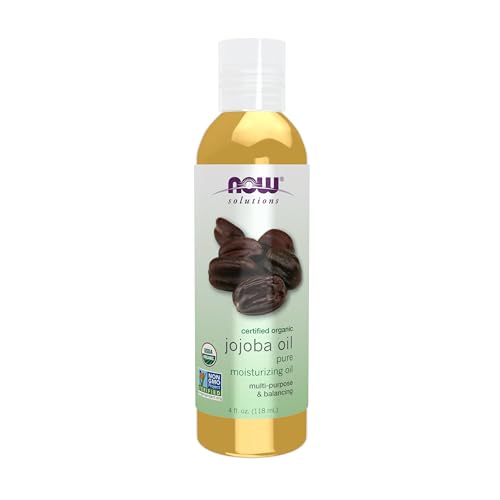
NOW Solutions Organic Jojoba Oil (4 fl oz)
 Check Price
Best Pure Seed Oil
PURA D'OR Organic Pumpkin Seed Oil, Pure Cold-Pressed (4 oz)
 Check Price
Best Pre-Wash Oil
Briogeo Scalp Revival Rosemary Pre-Wash Oil
Written by HairGrowthReviews Editorial Team
Reviewed by Ernesta Malinauskytė, PhD, Director of Hair Research, TRI Princeton
Updated 2026-11-24 · Independently researched · How we review
We may earn a commission when you buy through our links, at no cost to you. As an Amazon Associate we earn from qualifying purchases. How we research
The Short Version
- Porosity describes how easily hair absorbs and holds moisture. Low porosity hair has flat, tightly packed cuticle layers that resist water.
- Common signs: hair takes a long time to get fully wet and to dry, products sit on the surface, buildup happens easily, and hair can look shiny but feel dry.
- Low porosity is usually natural and is not a sign of damage. It can occur in straight, wavy, curly or coily hair.
- Care tips: apply products to damp hair, use gentle heat with deep conditioners, choose light oils such as argan, jojoba and grapeseed, and clarify regularly.
- Home porosity tests, including the popular float test, are rough guides at best; how your hair behaves day to day is a better clue.
On This Page · 9 sections
What is low porosity hair? It is hair that does not easily let water and products in. The term has become a staple of curly hair routines and product labels, and searches for what does low porosity hair mean and how do you know if you have low porosity hair have grown with it. Understanding porosity can explain why a product your friend loves leaves your hair greasy, stiff or coated, and why your hair seems to stay damp for hours after washing.
Porosity is a useful idea, but it is also oversold. It is one characteristic among several, alongside thickness, density and curl pattern, and many of the tests and rules that circulate online are rough rather than precise. This guide explains what porosity actually refers to, the signs of low porosity hair, how reliable the home tests are, and how to build a routine that works with hair that resists moisture.
If you are not sure what type of hair you have more generally, our guide to what hair type do I have covers curl pattern, thickness and density. For high porosity hair, which behaves in almost the opposite way, see our explainer on what is high porosity hair. If you want product picks, our guide to the best oil for low porosity hair ranks the oils we recommend.
What Does Low Porosity Hair Mean?
Hair porosity describes how easily water, oils and other products move into and out of the hair shaft. It depends mainly on the cuticle, the outer layer of overlapping cells that protects each strand. When the cuticle layers lie flat and tightly packed, very little can get in or out. That is low porosity hair. When they are raised, chipped or worn away, water rushes in and escapes just as fast. That is high porosity hair. Most people fall somewhere in between, often called medium or normal porosity.
Low porosity hair is usually something you are born with. It is common in hair that has never been coloured, bleached or chemically straightened, and it is found across all hair types: straight, wavy, curly and coily. Some research on hair structure suggests that natural cuticle structure and the lipids on the hair surface affect how water-repellent hair is, but there is no single genetic switch for porosity, and the science behind the everyday porosity categories is less precise than social media can make it sound.
An intact, closed cuticle is a sign of healthy hair.
It is worth saying clearly: low porosity hair is not bad, and it is not damaged. An intact, closed cuticle is a sign of healthy hair. People often ask is low porosity hair good or bad, and the answer is neither. It simply needs a different approach, because the same tight cuticle that keeps damage out also keeps moisture and conditioning products out.
How Do You Know If You Have Low Porosity Hair?
The best clue is how your hair behaves over a few weeks, not a single test. These are the signs most often associated with low porosity hair. You are unlikely to have all of them, but if several sound familiar, your hair probably leans low porosity.
The best clue is how your hair behaves over a few weeks, not a single test.
It takes a long time to get wet
In the shower, water seems to bead and run off before your hair is fully saturated, especially at the roots and in thick sections. You may need to work water through with your fingers before shampoo will lather properly.
It takes a long time to dry
People often ask does low porosity hair dry fast. Usually the opposite: once water finally gets in, it is slow to leave, so low porosity hair can stay damp for hours or even overnight, particularly if it is thick or dense.
Products sit on top
Creams and oils seem to sit on the surface rather than sinking in, leaving hair greasy, white-cast, sticky or coated. Heavy butters and thick oils are the usual culprits.
Buildup happens easily
Because products are not absorbed, they accumulate. Hair can feel stiff, waxy or dull a few days after washing, and may lose its curl or volume. A clarifying wash often makes it feel instantly lighter.
It looks shiny but feels dry
A flat cuticle reflects light well, so low porosity hair often has a natural shine. Yet because moisture struggles to get in, it can still feel dry or crunchy, especially if products are building up.
Colour and chemical treatments take longer
Colourists sometimes note that low porosity hair resists dye and takes longer to process, and chemical treatments may need more time to work. This is one reason to have colour applied by a professional who can assess your hair.
Low Porosity Hair Test: Do the Float and Spray Tests Work?
The most famous test is the float test: drop a clean, shed hair into a glass of water and watch. The theory is that low porosity hair floats, medium porosity hair sinks slowly and high porosity hair sinks quickly. It is easy and popular, but it is not reliable. Whether a hair floats depends heavily on surface tension, oils or product residue on the strand, the water temperature, and how long you watch. The same hair can float or sink depending on conditions.
The spray test is a little more useful. Mist a section of clean, dry, product-free hair with water and watch. If the droplets bead on the surface for a while before soaking in, your hair is likely low porosity. If they disappear almost instantly, it may be high porosity. The slide test, running your fingers up a strand from the tip toward the root, is meant to show a smooth, slippery feel for low porosity hair and a rough, bumpy feel for high porosity hair, but it is subjective.
It is easy and popular, but it is not reliable.
Laboratory methods for measuring how much water hair absorbs exist, but they are not something you can do at home. In practice, treat home tests as one piece of evidence and combine them with what you see over several wash days. If you are asking is my hair high or low porosity, your drying time and how your hair handles products will tell you more than a glass of water.
| How It Works | How Reliable | |
|---|---|---|
| Float test | Watch whether a clean hair floats or sinks in water | Poor; surface tension and residue skew results |
| Spray test | Watch whether water beads or soaks in on dry hair | Fair, as a rough guide |
| Slide test | Feel for smoothness or bumps along a strand | Subjective |
| Drying time | Note how long hair stays damp after washing | Useful over several washes |
| Product behaviour | Note whether products absorb or sit on top | Useful over several washes |
Our #1 pick for oil for low porosity hair
NOW Solutions Organic Jojoba Oil (4 fl oz)
The oil we would hand to almost anyone with low porosity hair: light, pure, cheap and easy to wash out.
How to Care for Low Porosity Hair
Caring for low porosity hair is mostly about helping moisture in, keeping products light and preventing buildup. The steps below form a simple routine you can adapt to your hair type.
Warmth is one of the most practical tools for low porosity hair.
Wash with warm water and clarify regularly
Warm water helps soften and wet the hair more easily than cold water. Use a gentle shampoo for regular washes and a clarifying shampoo every two to four weeks, or whenever hair feels coated, to remove buildup. Our guides to the best shampoo for low porosity hair and the best clarifying shampoo compare options.
Apply products to damp, not dripping or dry, hair
Products spread and absorb better into hair that is evenly damp. Soaking wet hair dilutes products and can make them slide off; dry hair resists them. Apply leave-ins and stylers in sections, smoothing them through rather than piling them on.
Use gentle heat with deep conditioners
Warmth is one of the most practical tools for low porosity hair. Applying a deep conditioner and covering your hair with a shower cap, then adding a warm towel, a thermal cap or a hooded dryer on a low setting for 15 to 30 minutes, helps the conditioner work. Steaming is a popular alternative. Keep the heat gentle; you want warmth, not a hot styling temperature.
Choose lightweight, water-based products
Look for leave-in conditioners and stylers where water is a main ingredient, and favour lotions and light milks over heavy creams and butters. Humectants such as glycerin and aloe can help hair attract moisture, although in very humid or very dry weather some people find they cause frizz. Our guide to the best leave-in conditioner includes lighter formulas.
Use less product, more often
Because low porosity hair does not absorb much, more product rarely means more moisture. Start with a small amount and add only if needed. Light layering is better than heavy sealing.
The Best Oils for Low Porosity Hair
Searches for the best oils for low porosity hair and hair oil for low porosity hair are among the most popular in this topic, because the wrong oil is the fastest way to make low porosity hair feel greasy and coated. The general rule is to choose lightweight oils that spread easily and use them sparingly, mainly on the ends, after a water-based leave-in.
Argan oil, jojoba oil and grapeseed oil are the oils most often recommended for low porosity hair. They are relatively light and absorb or wash out more easily than heavy oils. Jojoba is technically a liquid wax that closely resembles the scalp's own oils, which makes it a popular choice for the scalp as well as the lengths. Sweet almond and apricot kernel oils are other light options. Our guides on how to use argan oil for hair and whether grapeseed oil is good for hair go into more detail.
choose lightweight oils that spread easily and use them sparingly
Is coconut oil good for low porosity hair? It is a mixed picture. Coconut oil is one of the few oils shown in laboratory studies to penetrate the hair shaft to some degree, and it can reduce protein loss during washing, which is a real benefit. But many people with low porosity hair find it leaves their hair stiff, crunchy or coated, possibly because it builds up on the surface. If you want to try it, use a small amount as a pre-wash treatment and shampoo it out. Our article on whether coconut oil is good for your hair covers the evidence.
Heavier oils such as castor oil and thick butters like shea are usually too much for low porosity hair as a daily product, though a little mixed into a lighter oil for a pre-wash treatment can work. For the scalp, a light oil used occasionally is enough; heavy oils on the scalp can lead to buildup and flaking.
| Weight | Low Porosity Fit | |
|---|---|---|
| Argan oil | Light to medium | Good; spreads easily, adds shine |
| Jojoba oil | Light | Good; suits scalp and lengths |
| Grapeseed oil | Light | Good; very light feel |
| Sweet almond oil | Light to medium | Good in small amounts |
| Coconut oil | Medium, solid when cool | Mixed; best as a pre-wash, may stiffen hair |
| Olive oil | Medium to heavy | Use sparingly, wash out |
| Castor oil | Very heavy | Usually too heavy alone |
Common Mistakes With Low Porosity Hair
Piling on heavy products is the most common mistake. When hair feels dry, it is tempting to add more butter, cream or oil, but on low porosity hair that usually means more buildup and hair that feels drier and stiffer, not softer.
Skipping clarifying is the second. Without regular clarifying, layers of product, oil and hard water minerals accumulate and block what little moisture can get in. If your hair suddenly stops responding to products it used to like, buildup is the first thing to suspect. Our article on whether hard water causes hair loss explains how minerals affect hair.
There is no need to change your porosity
Overdoing protein is a third. Low porosity hair often has little need for frequent protein treatments, and too much protein can leave it stiff and brittle. Use protein only when hair feels weak, mushy or overly stretchy.
Finally, many people try to fix low porosity hair by raising the cuticle with harsh alkaline treatments or by bleaching. This can increase porosity, but only by damaging the hair. There is no need to change your porosity; the goal is a routine that suits the hair you have.
Frequently Asked Questions
What does low porosity hair mean?
It means the cuticle, the outer layer of each hair, is tightly closed, so water and products struggle to get in. Low porosity hair tends to take a long time to wet and to dry, and products often sit on top instead of absorbing.
How do I know if I have low porosity hair?
Watch how your hair behaves over a few washes. If it takes a long time to get fully wet, stays damp for hours, builds up product quickly and seems to repel creams and oils, it is probably low porosity.
Is low porosity hair good or bad?
Neither. A closed, intact cuticle is a sign of healthy hair that resists damage. The challenge is that it also resists moisture and products, so it needs lighter products, gentle heat and regular clarifying.
What are the best oils for low porosity hair?
Lightweight oils such as argan, jojoba, grapeseed and sweet almond oil usually work best. Use a few drops on damp hair, mainly on the ends, after a water-based leave-in. Heavy oils like castor tend to sit on top.
Is coconut oil good for low porosity hair?
It depends on your hair. Coconut oil can reduce protein loss when used before washing, but many people with low porosity hair find it leaves hair stiff or coated. Try a small amount as a pre-wash treatment and wash it out.
Does low porosity hair dry fast?
Usually not. Low porosity hair takes a long time to absorb water, and once wet it often takes a long time to dry, especially if it is thick or dense.
How do you moisturise low porosity hair?
Wash with warm water, apply water-based leave-ins to damp hair, deep condition with gentle heat under a cap for 15 to 30 minutes, and seal with only a few drops of light oil. Clarify every few weeks so buildup does not block moisture.
The Bottom Line
Low porosity hair has a tightly closed cuticle that resists water and products. It is usually natural and healthy, but it takes a long time to wet and dry, and products easily sit on top and build up. Care for it with warm water, regular clarifying, products applied to damp hair, gentle heat with deep conditioners and light oils such as argan, jojoba or grapeseed used sparingly. Skip the float test and judge your hair by how it behaves over several washes.
Related Questions
- What Is High Porosity Hair, and How Do You Care for It? →
- What Hair Type Do I Have? A Simple Guide From 1A to 4C →
- Is Grapeseed Oil Good for Hair? Benefits, Growth Claims and How to Use It →
- How to Use Argan Oil for Hair: Benefits and Best Methods →
- Is Coconut Oil Good for Your Hair? Benefits, Growth and How to Use It →
- How Often Should You Oil Your Hair? A Guide by Hair Type →
- How to Grow Curly Hair Long and Healthy →
- How to Use Amla Oil for Hair: Benefits, Hair Growth and Grey Hair Claims →
Buyer's Guides
Hair Care
Best Shampoo for Low Porosity Hair
Low porosity hair is healthy, shiny and strong, but it is slow to let moisture in and quick to collect buildup. The right shampoo cleans gently, rinses clean and leaves your strands ready to drink in conditioner. Here are the best ones to buy.
Hair Care
Best Clarifying Shampoo
A clarifying shampoo is a reset button for hair weighed down by product, oil, minerals or pool water. Used every week or few weeks, it makes hair lighter and your other products work better. Used too often, it dries hair and fades color.
Hair Care
Best Leave-In Conditioner
A good leave-in detangles, softens and cuts down on the breakage that makes hair look thinner than it is. Matching the formula to your texture is the secret. Here is how to pick, and the formulas we love most.
Hair Care
Best Jojoba Oil for Hair
Jojoba is the lightweight oil that even fine and oily hair can love. It closely resembles the natural oil your scalp makes, so it conditions without feeling greasy. Here are the best pure, organic bottles to buy.
Hair Care
Best Argan Oil for Hair
Argan oil is the lightweight Moroccan oil that made shiny, smooth hair a one-step routine. Here are the best pure argan oils and argan hair oils to buy, and how to get the most from each.
Hair Care
Best Hair Oil for Fine Hair
Fine hair can enjoy a hair oil, as long as it is the right one and you use far less than you think. Here are the lightweight oils that smooth and shine fine hair without flattening it, the pure oils that are lightest, and how to apply them so your hair keeps its volume.
Hair Care
Best Hot Oil Treatment for Hair
A hot oil treatment is one of the oldest and cheapest ways to soften dry, brittle hair. Here are the ready-made treatments and plain oils worth buying, which suit natural, 4c, curly and low porosity hair, and exactly how to do a hot oil treatment at home without overheating it.
Hair Care
Best Hair Products for Curly Hair
Curly hair needs more moisture, gentler cleansing and a product that holds the curl pattern without turning it stiff. These are the curl creams, gels, leave-ins and co-washes worth buying, matched to the curls they suit.