Our Picks at a Glance
- 1
 Check Price →
Best Overall
Moroccanoil Treatment Original (3.4 fl oz) - 2
 Check Price →
Best Lightweight Oil for Dry Hair
Gisou Honey Infused Hair Oil (1.7 fl oz) - 3
 Check Price →
Best Drugstore Hair Oil for Dry Hair
L'Oréal Paris Elvive Extraordinary Oil Multi-Use Hair Oil (3.4 fl oz) - 4
 Check Price →
Best Pure Oil for Dry Hair
Cliganic Organic Argan Oil, 100% Pure Cold Pressed (4 oz) - 5
 Check Price →
Best for Dry, Thick or Textured Hair
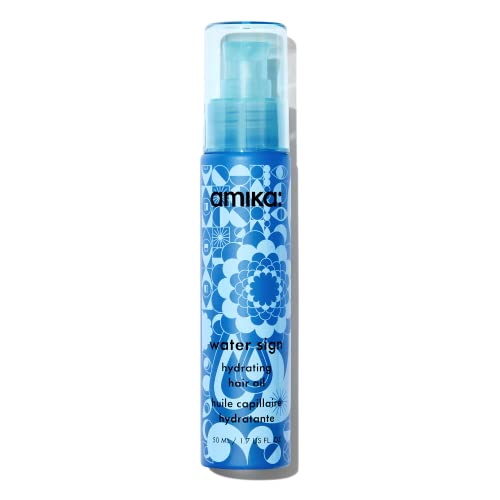
amika water sign Hydrating Hair Oil with Hyaluronic Acid - 6
 Check Price →
Best Budget Salon-Style Oil
VERB Hydrate Oil for Dry Hair (2 oz) - 7
 Check Price →
Best Pre-Wash Treatment for Very Dry Hair
Viva Naturals Organic Coconut Oil, Unrefined Cold-Pressed Extra Virgin (16 fl oz)
The Short Version
- Moroccanoil Treatment is our best overall hair oil for dry hair, best on medium to thick hair; Gisou Honey Infused Hair Oil is the best lighter pick.
- Oil seals in moisture rather than adding it, so apply it to damp, conditioned hair or after a leave-in.
- Match the oil to thickness: light oils such as argan suit fine and medium hair, richer oils suit thick, curly and coily hair.
- A pre-wash coconut or hot oil treatment protects very dry or damaged hair from losing more during shampooing.
- Dry hair is a hair care problem, not a hair loss one; no hair oil has been shown to regrow hair.
On This Page · 12 sections
The best hair oil for dry hair is one matched to your hair's thickness: a light, fast-absorbing oil for fine or medium hair, and a richer oil for thick, coarse, curly or coily hair. Our best overall pick is Moroccanoil Treatment, an argan oil styling treatment that softens, smooths frizz and adds shine on medium to thick dry hair. Gisou's Honey Infused Hair Oil is the best lighter pick, L'Oréal Elvive Extraordinary Oil is the best drugstore option, and Cliganic Organic Argan Oil is the best pure oil.
Searches for hair oil for dry hair and the best hair oil for dry and frizzy hair are among the most common hair oil questions, and for good reason. Dry hair feels rough, looks dull, tangles easily and frizzes as soon as the air turns humid. A good oil helps on every one of those fronts. It coats the outside of the strand, smooths the cuticle so light reflects off it, reduces friction between hairs and slows the loss of water from hair you have just conditioned.
What an oil cannot do is add water on its own. Hair gets its moisture from water, then conditioner, and oil works best as the final layer that holds that moisture in. That is why the same bottle can feel brilliant on damp, conditioned ends and disappointing on dry, unwashed hair. We ranked the oils below on how well they suit dry hair of different thicknesses, ingredient clarity, finish, versatility and price. We read each product's Amazon listing in November 2026; this is research-based, not a hands-on test.
Why Hair Gets Dry, and What Hair Oil Actually Does
Hair feels dry when its outer layer, the cuticle, is lifted or worn and the strand loses water easily. Hot tools, bleach and color, sun, mineral-heavy tap water, harsh shampoos, swimming and simple age all wear the cuticle down. Curly and coily hair is drier by nature, because the scalp's oil has a harder time traveling down a curved strand, and the ends of long hair are the oldest and most weathered part of any head.
A hair oil works on the outside of that strand. It fills in rough spots along the cuticle, smooths it so the hair reflects light, lubricates strands so they slide past each other instead of catching, and forms a thin film that slows water loss. Some oils, coconut in particular, can also penetrate the shaft to a degree. The visible result is softer, shinier hair that tangles less and frizzes less.
The key thing to understand is that oil seals but does not hydrate.
The key thing to understand is that oil seals but does not hydrate. Water is the only true moisturizer for hair, and conditioner and leave-in products help hair hold on to it. Put oil on top of that, on damp hair, and it locks the moisture in. Put it on hair that is already dry and dehydrated, and you mostly get shine on the surface while the strand stays rough underneath.
What Is the Best Hair Oil for Dry and Frizzy Hair?
For hair that is both dry and frizzy, the best hair oil is a lightweight smoothing oil used on damp hair before drying, then a drop more on dry ends to finish. Moroccanoil Treatment and Gisou Honey Infused Hair Oil both do this well, and L'Oréal Elvive Extraordinary Oil is the budget alternative. All three spread easily, smooth the cuticle and help hold moisture in, which is exactly what dry, frizzy hair needs.
Dry hair and frizzy hair are closely linked. Frizz happens when a dry, raised cuticle absorbs water from humid air and the strand swells unevenly, so the drier your hair, the more it frizzes. Treating the dryness, with gentle shampoo, regular conditioning and an oil to seal, reduces frizz at its source. A styling oil then adds the smooth finish on top.
the drier your hair, the more it frizzes
If frizz is your main problem and dryness is minor, our guide to the best hair oil for frizzy hair focuses on oils that block humidity and smooth flyaways, and our guide to the best anti-frizz serum covers silicone serums, which give the sleekest, most humidity-resistant finish of all. Many people with dry, frizzy hair end up using an oil and a serum for different days.
The Best Hair Oils for Dry Hair, Ranked
Salon and drugstore styling oils come first, then a pure argan oil, a richer oil for textured hair and a coconut oil for pre-wash treatments.
Moroccanoil Treatment Original (3.4 fl oz)
Argan Oil Styling Treatment
Best for: Medium to thick dry hair, including waves and curls, that needs softness, shine and frizz control
- Key oil
- Argan oil
- Hair type (per listing)
- Medium to thick or curly hair
- Size
- 3.4 fl oz
- Use
- Damp hair before styling, or dry hair to finish
Moroccanoil Treatment is the oil most people picture when they think of a salon hair oil, and it is still one of the best choices for dry hair. The listing describes an argan oil treatment that conditions, smooths frizz, detangles and boosts shine, and it is specifically aimed at medium to thick or curly hair. It is a formulated styling oil rather than pure argan, which is why it spreads so evenly and leaves a smooth, silky finish rather than a slick one.
On dry hair, that combination matters. A small amount worked through damp ends before drying helps hold in the moisture from your conditioner, makes the hair easier to comb and gives it the reflective, glossy look that dry hair usually lacks. A drop or two on dry ends between washes softens roughness and tames flyaways. Because it detangles as well as smooths, it is also a good fit for wavy and curly hair that knots easily when it is dry.
The main drawbacks are price and weight. It is expensive per ounce, and on very fine or flat hair the original formula can feel too rich, which is why Moroccanoil also makes a Light version that we cover in our guide to the best hair oil for fine hair. It has a distinctive warm scent that lingers, so try a small size first if you are sensitive to fragrance.
What We Liked
- Reliable softness, shine and frizz control on dry hair
- Also helps with detangling
- Works damp before styling or dry as a finisher
What We Didn't
- Expensive per ounce
- Too rich for very fine hair; choose the Light version
- Strong, lingering scent
The Bottom Line
The best all-round hair oil for dry hair on medium, thick or curly hair, if you are happy to pay for it.
Gisou Honey Infused Hair Oil (1.7 fl oz)
Honey-Infused Styling Oil
Best for: Dry hair of any thickness that wants hydration and shine without heaviness
- Key ingredients (per listing)
- Mirsalehi honey, Bee Garden oil blend
- Heat protection (per listing)
- Up to 450°F
- Size
- 1.7 fl oz
- Use (per listing)
- Pre-styling, finishing, mask booster or overnight
Gisou's Honey Infused Hair Oil is a lighter, more versatile alternative to Moroccanoil for dry hair. The listing describes a lightweight, non-greasy formula built on Mirsalehi honey and an antioxidant-rich oil blend, suitable for fine, medium, thick, dry, curly or color-treated hair, with recommended drop counts based on thickness. Gisou states clinical results for shine and up to three days of hydration and frizz control; those are the brand's own test results rather than independent research, but the light texture is consistent across buyer feedback.
Its real advantage is flexibility. You can use it before blow drying for heat protection up to 450°F according to the listing, as a finishing oil for shine, mixed into a hair mask, or as an overnight treatment on very dry lengths. That makes it a good single oil for someone whose hair is dry but not especially thick, who wants softness without the flat, coated feel a richer oil can give.
It is a premium product in a small bottle, so the cost per use is high if you have long or thick hair and need several drops. The honey scent is part of the appeal for many buyers but can be strong for others. If your hair is very coarse or coily, a richer oil such as amika's water sign or a pre-wash coconut oil will do more.
What We Liked
- Light enough for fine to medium dry hair
- Heat protection and finishing in one oil
- Can double as an overnight treatment
What We Didn't
- Small, expensive bottle
- Clinical claims are the brand's own tests
- Sweet scent is not for everyone
The Bottom Line
The best lightweight hair oil for dry hair: hydrating and glossy without weighing hair down.
L'Oréal Paris Elvive Extraordinary Oil Multi-Use Hair Oil (3.4 fl oz)
Multi-Use Hair Oil
Best for: Dry, dull or frizzy hair on a budget, including as a pre-wash treatment
- Key oils (per listing)
- Marula, camellia
- Heat protection (per listing)
- Up to 450°F
- Size
- 3.4 fl oz, pump
- Dosing (per listing)
- 1 drop fine hair; 2-3 drops thick or curly
L'Oréal's Elvive Extraordinary Oil is the drugstore oil we would buy for dry hair. The listing describes marula oil to nourish and soften dry, dull strands and camellia oil to smooth the cuticle, in a lightweight, non-greasy formula with heat protection up to 450°F. It comes in a pump bottle, which makes it much easier to use the small amounts dry hair actually needs.
The listing is unusually helpful on how to use it. It suggests one drop for fine hair and two or three for thick or curly hair, and three ways to use it: on dry hair before shampooing as a pre-wash treatment, through damp lengths before styling, or on dry hair as a finishing touch. That covers almost every way people use oil on dry hair, so it is a sensible first oil if you are still working out what your hair likes.
It is a formulated oil with fragrance rather than a pure plant oil, so it is not the choice for anyone who wants a single-ingredient product or has a fragrance sensitivity. The claims for shine, frizz and smoothness come from the brand. For the price, though, it delivers a finish that is close to salon oils, which is why it is popular with people who want to test whether a hair oil helps before spending more.
What We Liked
- Low price for a salon-style finish
- Pump dispenses small, controlled amounts
- Clear dosing and three ways to use it
What We Didn't
- Fragranced formula
- Claims are the brand's own
The Bottom Line
The best value hair oil for dry hair, and a smart first oil to try before buying a salon brand.
Cliganic Organic Argan Oil, 100% Pure Cold Pressed (4 oz)
Pure Argan Oil
Best for: People who want a single-ingredient, fragrance-free oil for dry ends and scalp
- Contents
- 100% organic argan oil (per listing)
- Certification (per listing)
- USDA Organic, Non-GMO Project Verified
- Size
- 4 oz
- Fragrance
- None added
If you want a pure oil rather than a formulated styling product, argan oil is the best place to start for dry hair. Cliganic sells a USDA-certified organic, cold-pressed argan oil with a single ingredient and no synthetic additives, which the listing describes as lightweight and fast-absorbing and suitable for hair, scalp and skin. That makes it a good choice for sensitive scalps and anyone who reacts to fragranced hair oils.
Pure argan oil is a medium-weight oil that sinks into dry ends reasonably well and leaves a soft, natural shine. It will not feel as silky as Moroccanoil or Gisou, because those use lightweight emollients to help the oil spread, but it works well as a pre-wash treatment, a few drops on damp ends, or a light scalp oil for a dry, tight scalp. It also doubles as a carrier if you want to add a few drops of rosemary or another essential oil to your routine.
Our guide to the best argan oil for hair compares more pure argan oils and explains how to check that a bottle is genuine, and our guide on how to use argan oil for hair covers application in detail. As with any unrefined oil, keep it out of heat and sunlight and use it within its shelf life.
What We Liked
- Single ingredient, fragrance free
- Certified organic and cold pressed
- Works on hair, scalp and skin
What We Didn't
- Less silky finish than formulated oils
- Needs a little practice to avoid over-applying
The Bottom Line
The best pure oil for dry hair: simple, clean argan for ends, scalp and pre-wash treatments.
amika water sign Hydrating Hair Oil with Hyaluronic Acid
Hydrating Styling Oil
Best for: Dry, thick, curly and coily hair (2c to 4c) that needs a richer, silicone-free oil
- Key ingredient (per listing)
- Hyaluronic acid
- Hair type (per listing)
- Dry, textured, thick hair, 2c to 4c
- Free from (per listing)
- Silicones
- Extras (per listing)
- Heat protection
amika's water sign oil is made specifically for dry, textured and thick hair in the 2c to 4c range, which is the group most likely to find lightweight hair oils too thin to make a difference. The listing describes a silicone-free hydrating oil with hyaluronic acid that locks in moisture, reduces frizz, adds shine, smooths flyaways and protects against heat and breakage.
For curly and coily hair, that is a useful combination. Textured hair tends to be drier because the scalp's natural oils travel down a curved strand less easily, and it is more prone to breakage at the bends of each curl. A richer oil applied to damp hair after a leave-in, the L, O or C step of an LOC or LCO routine, helps hold moisture in for longer and makes the next detangling session gentler.
It is a premium, salon-priced oil, and the listing gives less detail on its full oil blend than we would like. If you would prefer a simpler, cheaper approach for textured hair, our guides to the best hair oil for curly hair and the best batana oil cover richer plant oils, and if your hair resists products and feels coated easily, our guide to the best oil for low porosity hair explains which lighter oils absorb better.
What We Liked
- Made for dry, thick and textured hair
- Silicone-free
- Heat protection plus frizz control
What We Didn't
- Premium price
- Full oil blend not detailed on the listing
- Too rich for fine hair
The Bottom Line
The pick for dry curls and coils that need more than a light finishing oil.
VERB Hydrate Oil for Dry Hair (2 oz)
Hydrating Styling Oil
Best for: Dry, frizzy or damaged hair that is heat styled often
- Key ingredients (per listing)
- Argan oil, babassu oil, ceramide
- Heat protection (per listing)
- Up to 450°F
- Size
- 2 oz
- Free from (per listing)
- Parabens, sulfates; vegan
VERB's Hydrate Oil sits between drugstore and salon oils on price and is one of the better options for dry hair that gets blow dried or heat styled regularly. The listing describes a rich styling oil built on argan and babassu oils with a moisture-locking ceramide and heat protection up to 450°F, made for dry, frizzy or damaged hair.
VERB lists results from third-party lab testing for hydration, shine, frizz and breakage when heat styling. Those are the brand's numbers rather than independent studies, but the ingredient choice makes sense for dry hair: argan and babassu are both well-tolerated, conditioning oils, and a ceramide is a common ingredient in products for dry, damaged hair. Apply a small amount to damp hair before drying.
Its richer texture is the trade-off. On fine hair it can feel heavy, so VERB's Ghost Oil, which we cover in our guide to the best hair oil for fine hair, is the better choice there. The scent is warm amber and jasmine according to the listing, which is pleasant but noticeable.
What We Liked
- Argan, babassu and ceramide for dry hair
- Heat protection for blow drying
- Good price for a salon brand
What We Didn't
- Richer texture; not for fine hair
- Fragranced
The Bottom Line
A well-priced, heat-protecting oil for dry hair that gets styled with heat most days.
Viva Naturals Organic Coconut Oil, Unrefined Cold-Pressed Extra Virgin (16 fl oz)
Unrefined Coconut Oil
Best for: Very dry, damaged or textured hair as a pre-wash or hot oil treatment
- Type
- Unrefined, cold-pressed extra virgin coconut oil
- Certification (per listing)
- USDA Organic, Non-GMO Project Verified
- Size
- 16 fl oz
- Texture
- Solid below about 76°F, melts on contact
Coconut oil earns a place on this list because of what it does before you wash. Viva Naturals sells a USDA-organic, unrefined, cold-pressed coconut oil that the listing suggests using as a conditioner, detangler or hair mask. Laboratory research has found that coconut oil can penetrate the hair shaft and reduce the protein hair loses during washing when it is applied beforehand, which is why it is a classic pre-wash treatment for dry, damaged hair.
Used that way, it is one of the cheapest and most effective things you can do for very dry hair. Warm a small amount between your palms, work it through dry lengths, leave it for 30 minutes to a few hours, then shampoo and condition as usual. Gently warming the oil first turns this into a simple hot oil treatment, which our guide to the best hot oil treatment for hair covers in more detail.
Coconut oil is not a good leave-in for everyone. On fine hair, and on some low porosity hair, it can leave strands feeling stiff, coated or straw-like, so try it as a rinse-out treatment first. If you are unsure, our article on whether coconut oil is good for your hair explains who it suits best, and our guide to the best coconut oil for hair compares other jars.
What We Liked
- Inexpensive, large jar
- Research supports pre-wash use on damaged hair
- Doubles as a hot oil treatment
What We Didn't
- Can feel stiff or coated as a leave-in
- Solid at room temperature in cooler homes
The Bottom Line
The best value pre-wash treatment for very dry hair. Use it before shampooing, not as a styling oil.
How to Choose a Hair Oil for Dry Hair by Hair Type
Thickness matters more than anything else. Fine hair needs a light oil in tiny amounts, or it will look flat and greasy within hours. Medium hair can handle most styling oils. Thick, coarse, curly and coily hair usually needs a richer oil, or more of a light one, to make a visible difference. The table below matches common dry hair types to the oils that tend to suit them.
Porosity is the second factor. Highly porous hair, often from bleach, heat or chemical treatments, absorbs moisture quickly and loses it just as fast, so it benefits from richer sealing oils such as argan, coconut or batana. Low porosity hair has a tightly closed cuticle, resists products and feels coated easily, so lighter oils such as jojoba, argan and grapeseed tend to work better. Our guide to the best oil for low porosity hair explains how to tell which you have.
Your scalp is the third. Many people with dry hair have a scalp that is normal or gets greasy quickly, in which case oil belongs on the mid-lengths and ends only. If your scalp is genuinely dry and tight, a light pure oil such as argan or jojoba massaged in before washing can help. If it is itchy, flaky or red, though, a medicated shampoo is usually a better first step than more oil.
| What Dry Hair Usually Needs | Oils That Tend to Suit It | Our Pick | |
|---|---|---|---|
| Fine, dry hair | Very light oil, 1 drop | Argan, jojoba, lightweight styling oils | Gisou Honey Infused Hair Oil |
| Medium, dry hair | Light to medium oil | Argan-based styling oils, marula | Moroccanoil Treatment |
| Thick, coarse hair | Medium to rich oil | Argan, babassu, coconut pre-wash | VERB Hydrate Oil |
| Curly and coily hair | Richer oil after a leave-in | Argan, batana, castor on ends | amika water sign |
| Bleached or damaged hair | Pre-wash plus a sealing oil | Coconut before washing, argan after | Viva Naturals Coconut Oil |
| Sensitive scalp | Fragrance-free pure oil | Argan, jojoba | Cliganic Organic Argan Oil |
How to Use Hair Oil on Dry Hair
Start with damp, conditioned hair. After washing and conditioning, squeeze out excess water with a towel or T-shirt, apply a leave-in if your hair likes one, then rub one to three drops of oil between your palms and smooth it over the mid-lengths and ends. Work up toward the roots only if you have plenty left on your hands. Detangle gently with your fingers or a wide comb, then dry or style as usual.
Finish on dry hair if you need it. A single drop pressed between your palms and skimmed over the surface tames flyaways and adds shine after drying. This is where people most often overdo it, so start with less than you think and add more only if your ends still feel rough. Dry hair can usually take a little oil every day on the ends, but fine hair may only need it every other day.
Start with damp, conditioned hair.
Add a weekly pre-wash treatment if your hair is very dry or damaged. Apply a richer oil, such as coconut, argan or batana, generously to dry lengths, leave it for 30 minutes to a few hours, then shampoo and condition. Warming the oil gently first turns this into a hot oil treatment. Our guide on how often you should oil your hair covers how frequently different hair types can do this.
Finally, wash it out properly. Oil left to build up over days traps dirt and makes hair look dull and limp, which defeats the point. If your hair feels coated even after shampooing, wash twice, and use a deep-cleansing shampoo every few weeks if you oil often.
Natural Oils for Dry Hair: Argan, Coconut, Jojoba, Batana and Olive
Many people with dry hair prefer a pure plant oil to a formulated styling oil, and that is a perfectly good choice. Pure oils are cheaper per ounce, usually fragrance-free and easy to combine. They do take a little more care to apply, because they are less slippery than formulated oils and easier to overdo.
Argan oil is the most versatile: light enough for most hair types, good on ends and scalp, and the oil behind many salon formulas. Coconut oil is the best pre-wash treatment for damaged hair, with laboratory research showing it can reduce protein loss during washing, but it can feel stiff as a leave-in. Jojoba oil is very light and closely resembles the scalp's own oil, which makes it a good choice for fine hair and dry scalps. Batana oil is rich and protective, excellent on dry, coarse and coily hair. Olive oil is a heavier, inexpensive kitchen option that works best as a rinse-out treatment.
Argan oil is the most versatile
None of these oils has been shown to grow hair. What they do is keep the hair you have softer and less likely to snap, which helps you retain length. Our guides to the best argan oil for hair, the best coconut oil for hair, the best jojoba oil for hair and the best batana oil compare individual bottles, and our article on whether olive oil is good for your hair covers that option in depth.
| Weight | Best Use for Dry Hair | Watch Out For | |
|---|---|---|---|
| Argan oil | Light to medium | Damp ends, finishing, scalp | Fake or diluted bottles |
| Coconut oil | Medium, solid when cool | Pre-wash treatment | Stiffness on fine or low porosity hair |
| Jojoba oil | Light | Fine hair, dry scalp | Little visible shine |
| Batana oil | Rich | Pre-wash on coarse, coily hair | Heavy, strong scent |
| Olive oil | Medium to heavy | Rinse-out mask | Hard to wash out |
Dry Hair, Breakage and Hair Loss
Dry hair breaks more easily, and breakage can make hair look thinner, particularly at the ends. If you are finding short broken pieces on your clothes and in your brush, and your ends look sparse, oil and gentler handling can genuinely help your hair look fuller over a few months, because you keep more of the length you grow.
That is not the same as hair loss from the scalp. If your part is widening, your crown is thinning or you are shedding far more than usual, the cause is at the follicle and no hair oil will fix it. Our guide to the best hair oil for thinning hair covers the oils with some evidence for scalp use and when to add a proven treatment such as minoxidil.
Dry hair breaks more easily, and breakage can make hair look thinner
A dry, flaky or itchy scalp is also its own problem. Dandruff and seborrheic dermatitis are common and treatable with medicated shampoos, and adding oil can sometimes make them worse. If your scalp is red, scaly or itchy rather than just tight, treat that first.
Compared Side by Side
| Product | Main Oils | Weight | Best For | Price Level |
|---|---|---|---|---|
| Moroccanoil Treatment | Argan | Medium | Medium to thick dry hair | High |
| Gisou Honey Infused Hair Oil | Honey-infused oil blend | Light | Dry hair of any thickness | High |
| L'Oréal Elvive Extraordinary Oil | Marula, camellia | Light | Budget, dry and dull hair | Low |
| Cliganic Organic Argan Oil | Pure argan | Light to medium | Sensitive scalps, pure oil fans | Low |
| amika water sign | Oil blend + hyaluronic acid | Rich | Dry 2c-4c hair | High |
| VERB Hydrate Oil | Argan, babassu | Medium to rich | Heat-styled dry hair | Medium |
| Viva Naturals Coconut Oil | Pure coconut | Medium | Pre-wash for very dry hair | Low |
Ready to Buy? Our Picks Again
- 1Check Price →
Best Overall
Moroccanoil Treatment Original (3.4 fl oz) - 2Check Price →
Best Lightweight Oil for Dry Hair
Gisou Honey Infused Hair Oil (1.7 fl oz) - 3Check Price →
Best Drugstore Hair Oil for Dry Hair
L'Oréal Paris Elvive Extraordinary Oil Multi-Use Hair Oil (3.4 fl oz) - 4Check Price →
Best Pure Oil for Dry Hair
Cliganic Organic Argan Oil, 100% Pure Cold Pressed (4 oz) - 5Check Price →
Best for Dry, Thick or Textured Hair
amika water sign Hydrating Hair Oil with Hyaluronic Acid - 6Check Price →
Best Budget Salon-Style Oil
VERB Hydrate Oil for Dry Hair (2 oz) - 7Check Price →
Best Pre-Wash Treatment for Very Dry Hair
Viva Naturals Organic Coconut Oil, Unrefined Cold-Pressed Extra Virgin (16 fl oz)
Common Mistakes to Avoid
Putting Oil on Dry, Unwashed Hair and Expecting Moisture
Oil seals water in; it does not add it. Applied to dry, dehydrated hair it mostly sits on the surface. For lasting softness, apply oil to damp, conditioned hair, or use it as a pre-wash treatment and follow with conditioner.
Using Far Too Much
Dry hair rarely needs more than a few drops at a time. Too much oil makes hair look greasy and limp and attracts dirt, which leaves it duller than before. Start with one or two drops and add more only to the driest ends.
Choosing an Oil That Is Wrong for Your Thickness
Rich oils flatten fine hair, and light oils barely register on thick, coily hair. Match the oil to your hair's thickness and porosity rather than buying whatever is most popular, and switch if your hair feels coated or still rough after a few weeks.
Never Washing the Oil Out Properly
Oil that builds up over several days makes hair heavy, dull and prone to tangling. Shampoo twice after a pre-wash treatment if needed, and use a deep-cleansing shampoo every few weeks if you oil frequently.
Treating a Scalp Problem as Dry Hair
An itchy, flaky or red scalp is often dandruff or seborrheic dermatitis, which oil can aggravate. Use a medicated shampoo for the scalp and keep oil on the lengths, and see a doctor if the scalp does not settle.
Frequently Asked Questions
What is the best hair oil for dry hair?
Moroccanoil Treatment is our best overall pick for medium to thick dry hair, Gisou Honey Infused Hair Oil is the best lighter option, L'Oréal Elvive Extraordinary Oil is the best drugstore pick, and Cliganic Organic Argan Oil is the best pure oil.
What is the best hair oil for dry and frizzy hair?
A light smoothing oil used on damp hair before drying, then a drop on dry ends. Moroccanoil Treatment, Gisou Honey Infused Hair Oil and L'Oréal Elvive Extraordinary Oil all work well. For humid climates, see our guide to the best hair oil for frizzy hair.
Is coconut oil good for dry hair?
Yes, as a pre-wash treatment. Laboratory research shows coconut oil can reduce protein loss when applied before washing. As a leave-in it can feel stiff on fine or low porosity hair, so many people use it before shampooing and a lighter oil afterward.
Should I put hair oil on wet or dry hair?
Both work, for different jobs. On damp hair, oil seals in moisture from your conditioner and makes styling easier. On dry hair, a drop smooths flyaways and adds shine. Dry hair benefits most from oil applied to damp hair after conditioning.
Is argan oil good for dry hair?
Yes. Argan oil is light enough for most hair types, softens dry ends, adds shine and can be used on a dry scalp. Pure argan oil such as Cliganic's suits sensitive scalps; formulated argan oils such as Moroccanoil spread more easily and feel silkier.
How often should I oil dry hair?
Most people with dry hair can use a few drops on the ends daily or every other day, plus a pre-wash treatment once a week. Fine hair needs less; thick, curly and coily hair can take more. See our guide on how often to oil your hair.
Which oil deeply moisturizes dry hair?
No oil adds moisture on its own; water does. Coconut oil comes closest because it can penetrate the hair shaft, while argan, batana and other oils seal moisture in. The best routine is water and conditioner first, then oil to lock it in.
Can hair oil help dry hair grow?
Indirectly. Oil reduces breakage, so dry hair keeps more of its length, but no hair oil has been shown to make hair grow faster. If you are losing hair from the scalp, see our guide to the best hair oil for thinning hair.
The Bottom Line
The best hair oil for dry hair is one matched to your hair's thickness and used on damp, conditioned hair, where it seals moisture in. Moroccanoil Treatment is our best overall pick for medium to thick hair, Gisou Honey Infused Hair Oil is the best lighter option, and L'Oréal Elvive Extraordinary Oil is the best value. Add a pre-wash coconut or hot oil treatment once a week if your hair is very dry or damaged, and wash oil out properly so it never builds up.
Common Questions, Answered
- What Is High Porosity Hair, and How Do You Care for It? →
- How Often Should You Oil Your Hair? A Guide by Hair Type →
- Is Coconut Oil Good for Your Hair? Benefits, Growth and How to Use It →
- How to Detangle Hair With Oil, Step by Step →
- How to Prevent Hair Breakage: Causes, Fixes and Daily Habits →
- How to Use Amla Oil for Hair: Benefits, Hair Growth and Grey Hair Claims →
More Buyer's Guides
Hair Care
Best Hair Oil for Frizzy Hair
A good hair oil smooths frizz while it softens and adds shine. Here are the anti-frizz oils worth buying for straight, wavy and curly hair, how they compare with silicone serums, and how to apply them so frizz stays down in humid weather.
Hair Care
Best Hair Oil for Fine Hair
Fine hair can enjoy a hair oil, as long as it is the right one and you use far less than you think. Here are the lightweight oils that smooth and shine fine hair without flattening it, the pure oils that are lightest, and how to apply them so your hair keeps its volume.
Hair Care
Best Hot Oil Treatment for Hair
A hot oil treatment is one of the oldest and cheapest ways to soften dry, brittle hair. Here are the ready-made treatments and plain oils worth buying, which suit natural, 4c, curly and low porosity hair, and exactly how to do a hot oil treatment at home without overheating it.
Hair Care
Best Argan Oil for Hair
Argan oil is the lightweight Moroccan oil that made shiny, smooth hair a one-step routine. Here are the best pure argan oils and argan hair oils to buy, and how to get the most from each.
Hair Care
Best Coconut Oil for Hair
Coconut oil is one of the most loved and best-studied hair oils there is: it softens and smooths hair, and laboratory research suggests it helps reduce protein loss when used before washing. Here are the best virgin oils, lightweight fractionated oils and ready-made coconut treatments to buy.
Hair Growth & Hair Loss
Best Batana Oil
Batana oil went viral for good reason: it is a thick, traditional Honduran oil that deeply conditions dry hair, reduces breakage and helps you keep more of the length you grow. Here are the best bottles to buy.
Hair Care
Best Oil for Low Porosity Hair
Low porosity hair resists water and product, so heavy oils tend to sit on the surface as greasy film. Lighter oils, applied to damp hair with a little warmth, work far better. Here are the picks worth buying, including two popular argan products that are really silicone serums.
Hair Care
Best Hair Oil for Curly Hair
The right oil locks in the moisture your curls already have, smooths frizz and adds the shine that makes definition pop. Here are the best oils for curly hair, matched to curl type and porosity.
Hair Care
Best Jojoba Oil for Hair
Jojoba is the lightweight oil that even fine and oily hair can love. It closely resembles the natural oil your scalp makes, so it conditions without feeling greasy. Here are the best pure, organic bottles to buy.
Hair Care
Best Conditioner for Dry Frizzy Hair
Frizz is usually dry or roughened hair reacting to humidity. The fix is a simple routine: the right rinse-out conditioner, a weekly mask and a leave-in, plus a few habits that keep hair smooth. These are our favorite picks for each step.
Hair Growth & Hair Loss
Best Hair Growth Oil
Oils are brilliant at protecting hair from breakage, nourishing a dry scalp and turning scalp massage into a relaxing ritual. Here is how to pick the one that suits your hair and get the best results from it.
Hair Care
Best Anti-Frizz Serum
Frizz is what happens when hair takes on moisture unevenly. A good serum slows that down and smooths the surface, but the right one depends on how fine or thick your hair is and how humid your days are.
Hair Care
Best Hair Detangler
Most breakage happens while you detangle. The right detangler adds slip so knots slide apart instead of snapping, and the right tool spreads the pull across the hair. Here is what works for straight, curly, kinky and 4C hair, and for tender-headed kids.
Hair Care
Best Scalp Massager
A good scalp massager costs less than a coffee, feels wonderful and helps you clean your scalp properly. Here are the brushes and devices we love, from simple silicone scrubbers to hands-free electric models.
Hair Care
Best Conditioner for Thinning Hair
Thin hair needs conditioner more than most, because fine strands break easily, but the wrong one flattens it against the scalp. These lightweight, volumizing conditioners protect fragile hair while keeping it full.