Our Picks at a Glance
- 1
 Check Price →
- 2
 Check Price →
Best Sulfate-Free
Head & Shoulders BARE Soothing Hydration Anti-Dandruff Shampoo, 1% Pyrithione Zinc (13.5 fl oz) - 3
 Check Price →
Best for Stubborn Dandruff
Nizoral Anti-Dandruff Shampoo with 1% Ketoconazole, Fresh Scent (7 fl oz) - 4
 Check Price →
Best Value Medicated Zinc
DHS Zinc Shampoo, 2% Pyrithione Formula (16 oz) - 5
 Check Price →
Best for Severe Flaking (Darker Shades)
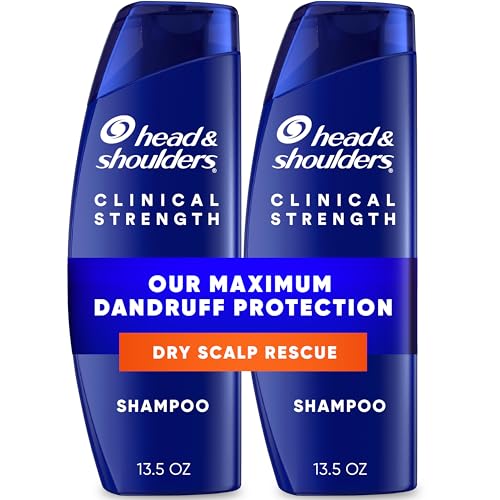
Head & Shoulders Clinical Strength Dry Scalp Rescue Shampoo, 1% Selenium Sulfide (Twin Pack) - 6
 Check Price →
Best for Thick Scale Buildup
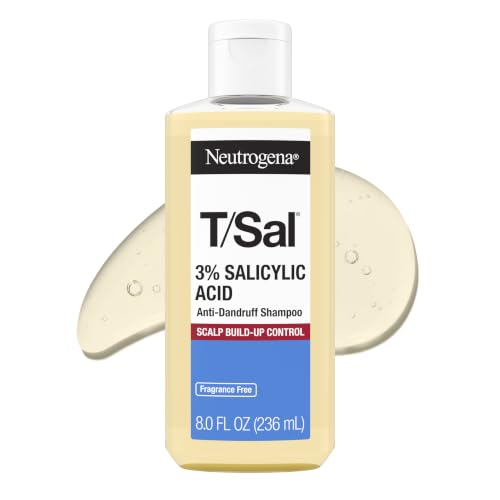
Neutrogena T/Sal 3% Salicylic Acid Anti-Dandruff Shampoo (8 fl oz)
The Short Version
- CeraVe Hydrating Anti-Dandruff Shampoo is our best overall pick: pyrithione zinc in a gentle, barrier-friendly base that suits dyed hair.
- Pyrithione zinc is the most color-friendly active. Selenium sulfide labels warn about bleached, tinted, gray or permed hair, so read the label and rinse well.
- Ketoconazole is excellent for stubborn dandruff but can leave hair dry; check the label's warnings if your hair is chemically treated or gray.
- Lather medicated shampoo on the scalp only, leave it on for the time the label directs, rinse with cool to lukewarm water, and condition the lengths.
- On textured and Black hair, seborrheic dermatitis can look different, and heavy scalp oils can feed the yeast. See a dermatologist if flakes persist.
On This Page · 12 sections
The best dandruff shampoo for color treated hair is a gentle pyrithione zinc formula like CeraVe Hydrating Anti-Dandruff Shampoo or Head & Shoulders BARE, because pyrithione zinc controls the yeast behind dandruff without the hair discoloration warnings that come with selenium sulfide. If those are not strong enough, 1% ketoconazole (Nizoral) is the next step, used twice a week and followed by conditioner. Stronger actives can work well on dyed hair too, as long as you read the label and use them the right way.
Dandruff is mostly driven by Malassezia, a yeast that lives on everyone's scalp and feeds on scalp oil. In some people, the scalp reacts to it with flaking, itch and, in the more inflamed form called seborrheic dermatitis, redness and greasy scale. Anti-dandruff shampoos work by reducing that yeast or by loosening scale. Color-treated hair adds two complications: the cuticle on dyed hair is already more open and more prone to fading, and a few dandruff actives carry label warnings about use on bleached, tinted, gray or chemically treated hair.
We ranked the picks below on the active ingredient and how it interacts with dyed hair, how gentle the cleansing base is, how well each suits dry, sensitive or textured scalps, value and buyer feedback. This is research-based, not a hands-on test. Product details come from each listing's title and Drug Facts information; always read the label on the bottle you buy, because formulas and warnings can change.
How Each Dandruff Active Interacts With Dyed Hair
Pyrithione zinc is the most common dandruff active and the most color-friendly. It reduces Malassezia and has been used in shampoos for decades. It does not carry a hair discoloration warning, so for dyed hair the main thing to judge is the base around it. Classic dandruff shampoos often use strong sulfate detergents, which can speed fading, while newer formulas like Head & Shoulders BARE are sulfate-free.
Ketoconazole is an antifungal and the strongest over-the-counter active, sold as 1% shampoo, with 2% available by prescription. It is not a bleaching or stripping agent, but it can leave hair dry or rough, particularly longer, processed hair. The label carries warnings about hair texture and possible discoloration in some chemically treated or gray hair, so check the label's warnings before you use it and condition afterward.
Pyrithione zinc is the most common dandruff active and the most color-friendly.
Selenium sulfide is very effective for stubborn dandruff and seborrheic dermatitis, but it is the active to be most careful with on colored hair. Selenium sulfide shampoo labels warn about use on bleached, tinted, gray or permed hair, because it can discolor light or chemically treated hair. If you use it, read the label, keep it on the scalp, and rinse thoroughly.
Salicylic acid loosens scale rather than killing yeast, and coal tar, found in some older dandruff shampoos, slows skin cell turnover. Salicylic acid can be drying. Coal tar has a strong smell and can stain or discolor light hair, so it is a poor match for blonde or pastel color. For most people with dyed hair, the order to try is pyrithione zinc first, ketoconazole second, and selenium sulfide only for darker shades if the others fail.
| How It Works | Color Consideration | Our Pick | |
|---|---|---|---|
| Pyrithione zinc | Reduces yeast | No discoloration warning; choose a gentle base | CeraVe, H&S BARE, DHS Zinc |
| Ketoconazole | Antifungal | Can dry hair; check label warnings | Nizoral 1% |
| Selenium sulfide | Reduces yeast and cell turnover | Label warns on bleached, tinted, gray or permed hair | H&S Clinical |
| Salicylic acid | Loosens scale | Drying; use with an antifungal | Neutrogena T/Sal |
| Coal tar | Slows cell turnover | Can stain light hair | Not included |
How to Choose the Best Dandruff Shampoo for Color Treated Hair
Start with how bad the dandruff is. Light, powdery flakes and mild itch usually respond to pyrithione zinc. Thicker, greasy, yellowish scale, redness along the hairline, eyebrows or sides of the nose, or flakes that come back within days of washing suggest seborrheic dermatitis, which often needs ketoconazole or a stronger active. Thick, silvery, well-defined plaques may be psoriasis, which deserves a dermatologist's look.
Then think about your color. Blonde, pastel, silver and freshly bleached hair are the most vulnerable to both fading and discoloration, so they should stay with pyrithione zinc or ketoconazole and avoid selenium sulfide and coal tar. Darker, richer shades are more forgiving, though every dyed shade fades faster with harsh, frequent washing.
Look at the base as well as the active.
Look at the base as well as the active. A sulfate-free or hydrating formula is gentler on the cuticle of dyed hair. Fragrance-free or low-fragrance options suit scalps sensitized by dye. Finally, check the Drug Facts box on the label for the active and its concentration, and read the warnings section, because that is where any cautions about treated hair appear.
If your scalp started itching or flaking soon after a new color, consider that the dye itself may be the cause. Permanent hair dyes, especially dark shades, often contain para-phenylenediamine (PPD), a common cause of allergic contact dermatitis. That can look like dandruff but will not respond to it, and it can become severe with repeated exposure.
The 6 Best Dandruff Shampoos for Color-Treated Hair
We favored pyrithione zinc formulas with gentle bases because they are the most color-friendly, then added stronger actives for stubborn cases with clear guidance on how to use them on dyed hair. Read each bottle's label, since warnings can change.
CeraVe Hydrating Anti-Dandruff Shampoo, Itchy Scalp Treatment (12 oz)
Pyrithione Zinc Anti-Dandruff Shampoo
Best for: Mild to moderate dandruff on color-treated hair, especially with a dry or easily irritated scalp
- Active
- Pyrithione zinc (per listing)
- Supporting
- Ceramides, hyaluronic acid, niacinamide
- Labeled for
- Dandruff, itchy scalp
- Size
- 12 oz
CeraVe's Hydrating Anti-Dandruff Shampoo pairs pyrithione zinc, one of the oldest and best-established dandruff actives, with the ceramides, hyaluronic acid and niacinamide the brand uses across its skin care. For color-treated hair, that combination is close to ideal: the active controls the yeast behind dandruff without the hair discoloration warnings that selenium sulfide carries, and the hydrating base is designed to leave the scalp less stripped than a classic high-foam dandruff shampoo.
That matters twice over if you dye your hair. Many people with colored hair already have a scalp that is sensitized from dye and bleach, and a gentler base is less likely to add to the irritation. A less stripping wash is also kinder to the lengths, where harsh cleansing can speed fading. Lather it on the scalp, leave it on for the time the label directs so the active can work, then rinse and condition your lengths as usual.
Pyrithione zinc is best for mild to moderate dandruff. If you have thick, greasy scale, red patches or flaking that returns within days, you may need ketoconazole or a doctor's prescription. Check the full ingredient list if you avoid specific cleansers; we have not confirmed whether every version is sulfate-free, so read the bottle if that matters to you.
What We Liked
- Color-friendly pyrithione zinc active
- Hydrating, barrier-focused base for dry or sensitive scalps
- Widely available at a drugstore price
What We Didn't
- May not be strong enough for severe seborrheic dermatitis
- Lathers less than classic dandruff shampoos
- Check the label if you need a sulfate-free formula
The Bottom Line
The first dandruff shampoo we would try on dyed hair: an effective, color-friendly active in a gentle base.
Head & Shoulders BARE Soothing Hydration Anti-Dandruff Shampoo, 1% Pyrithione Zinc (13.5 fl oz)
1% Pyrithione Zinc Shampoo
Best for: Color-treated hair that fades fast and a scalp that reacts to fragrance or dyes
- Active
- 1% pyrithione zinc
- Free of
- Sulfates, silicones, dyes (per listing)
- Labeled for
- Dandruff, dry scalp relief
- Size
- 13.5 fl oz
Head & Shoulders is the brand most people think of for dandruff, and BARE is its stripped-back formula. The listing describes it as a 1% pyrithione zinc shampoo for dry scalp relief that is free of sulfates, silicones and dyes. For colored hair, the sulfate-free part is the headline: sulfate detergents are among the usual suspects in faster color fading, and many classic dandruff shampoos rely on them.
Pyrithione zinc is the same well-proven active found in most Head & Shoulders formulas, and it does not carry the hair discoloration warning that selenium sulfide shampoos do. That makes BARE an easy everyday or every-other-wash option for dyed hair. Massage it into the scalp, let the lather sit for a few minutes, rinse thoroughly with cool to lukewarm water and follow with your usual color-safe conditioner on the lengths.
It is a mild formula, which is a strength for sensitive scalps and colored hair but a limit for stubborn dandruff. Skip it if you have been using pyrithione zinc for a month with little improvement; switch to or alternate with ketoconazole. Silicone-free formulas can also leave long, dry lengths feeling less slippery, so do not skip conditioner.
What We Liked
- Sulfate-, silicone- and dye-free (per listing)
- 1% pyrithione zinc from a trusted dandruff brand
- Gentle enough for frequent use on dyed hair
What We Didn't
- Mild, so less effective for severe flaking
- Lengths need conditioner to stay smooth
- Smaller bottle than some drugstore options
The Bottom Line
The best mainstream dandruff shampoo for people worried about fading: sulfate-free, pyrithione zinc, easy to use often.
Nizoral Anti-Dandruff Shampoo with 1% Ketoconazole, Fresh Scent (7 fl oz)
1% Ketoconazole Shampoo
Best for: Dandruff or seborrheic dermatitis that pyrithione zinc has not controlled
- Active
- 1% ketoconazole
- Type
- Antifungal anti-dandruff shampoo
- Typical use
- Twice a week (follow label)
- Size
- 7 fl oz
Ketoconazole is an antifungal that targets Malassezia directly, and 1% ketoconazole shampoo is the strongest dandruff active you can buy over the counter. Nizoral is the best-known brand, and the 7-ounce bottle is a sensible size to find out how your hair and scalp respond before committing to more. For many people with stubborn flaking, it works where milder shampoos have stalled.
For color-treated hair, there are two things to know. First, ketoconazole is not a bleach or a clarifying shampoo, so it does not lift color out the way a stripping product would. Second, it can leave hair feeling dry or rough, especially longer or processed hair, and the label carries warnings about hair texture and possible discoloration in some chemically treated or gray hair. Read the warnings on your bottle, use it only as often as the label directs, and condition the lengths afterward.
Most people use it twice a week and a gentle color-safe shampoo on other wash days, which keeps dryness in check. Skip it if you are allergic to azole antifungals, and check with a doctor before use if you are pregnant or breastfeeding. Our guide to the best ketoconazole shampoo covers sizes and the 2% prescription strength.
What We Liked
- Strongest over-the-counter dandruff active
- Only needed a couple of times a week
- Small bottle is a low-cost trial
What We Didn't
- Can leave long or colored hair dry
- Label warnings for some chemically treated or gray hair
- Fragranced
The Bottom Line
The step up when gentle shampoos are not enough. Use it twice a week, condition after, and read the label's hair warnings.
DHS Zinc Shampoo, 2% Pyrithione Formula (16 oz)
2% Zinc Pyrithione Shampoo
Best for: People who want a stronger zinc pyrithione shampoo in a large, no-frills bottle
- Active
- 2% pyrithione zinc
- Labeled for
- Dry scalp (per listing)
- Size
- 16 oz
- Style
- Simple medicated formula
DHS Zinc is a plain, dermatology-aisle shampoo built around 2% pyrithione zinc, a higher concentration than the 1% in many everyday dandruff shampoos. It is a good fit for people who want more anti-dandruff strength while staying with the most color-friendly active, rather than jumping to ketoconazole or selenium sulfide.
Because it skips the cosmetic extras, it is better thought of as a scalp treatment than a beauty shampoo. Apply it to the scalp only, let it sit for a few minutes, and rinse well. Then use a color-safe conditioner, or wash your lengths separately with a gentle shampoo if your hair is long. The 16-ounce bottle also makes it one of the more economical medicated options per ounce.
The trade-off is that a no-frills formula can feel more drying on the lengths than a hydrating drugstore shampoo, which matters on bleached or porous hair. Check the ingredient list for the cleansing agents if you avoid sulfates. Skip it if you want a pleasant, fragranced wash experience, or if you need something for very thick scale, where salicylic acid may help more.
What We Liked
- 2% pyrithione zinc, a stronger dose of the color-friendly active
- Large 16 oz bottle
- Simple medicated formula
What We Didn't
- Can feel drying on long or bleached lengths
- Basic, clinical wash experience
- Check the label for cleanser type
The Bottom Line
A stronger zinc shampoo at a fair price. Keep it on the scalp and condition your colored lengths well.
Head & Shoulders Clinical Strength Dry Scalp Rescue Shampoo, 1% Selenium Sulfide (Twin Pack)
1% Selenium Sulfide Shampoo
Best for: Stubborn dandruff or seborrheic dermatitis on darker dyed hair, used with care
- Active
- 1% selenium sulfide
- Labeled for
- Dandruff, seborrheic dermatitis (per listing)
- Pack
- Twin pack
- Caution
- Read label for light or treated hair
Selenium sulfide slows the turnover of scalp skin cells and reduces Malassezia, and 1% selenium sulfide shampoos are a strong over-the-counter option for stubborn dandruff and seborrheic dermatitis. This Clinical Strength Dry Scalp Rescue formula is one of Head & Shoulders' strongest, and the twin pack is good value if you rotate it in once or twice a week.
It ranks lower on this list for one reason: selenium sulfide shampoo labels warn about use on bleached, tinted, gray or permed hair, because the active can discolor light or chemically treated hair. If your color is blonde, pastel, silver, recently bleached or has gray coming through, this is not the active to start with. If your dyed hair is a deeper shade and other shampoos have failed, it can still be a useful tool. Read the label on your bottle, keep the lather on your scalp, rinse very thoroughly and follow with conditioner.
It can also feel drying on a scalp that is already dry, and it has a scent some people notice. Skip it if your hair is light or freshly lightened, or if pyrithione zinc or ketoconazole is already working. Use it as part of a rotation rather than every wash.
What We Liked
- Strong active for stubborn dandruff and seborrheic dermatitis
- Twin pack is good value on a rotation schedule
- From a widely available brand
What We Didn't
- Label cautions for bleached, tinted, gray or permed hair
- Can feel drying
- Not the first choice for light or pastel color
The Bottom Line
A powerful option for darker dyed hair when gentler actives fail. Avoid it on blonde, gray or pastel color.
Neutrogena T/Sal 3% Salicylic Acid Anti-Dandruff Shampoo (8 fl oz)
3% Salicylic Acid Shampoo
Best for: Thick, stuck-on flakes or scaly patches, used occasionally alongside an antifungal
- Active
- 3% salicylic acid
- Action
- Loosens and lifts scale
- Typical use
- One to two times a week
- Size
- 8 fl oz
Salicylic acid does a different job from the other actives on this list. It does not target the yeast behind dandruff; it softens and loosens built-up scale so it rinses away. Neutrogena T/Sal, with 3% salicylic acid, is a long-running choice for thick, stuck-on flakes and scaly scalp patches, including those seen with scalp psoriasis.
Salicylic acid shampoos do not, to our knowledge, carry the hair discoloration warnings that selenium sulfide labels do, but they can be drying, and dry, roughened hair tends to look duller and lose color faster. Use T/Sal on the scalp only, once or twice a week, and pair it with a pyrithione zinc or ketoconazole shampoo on other days to deal with the yeast. Condition your lengths every time.
Skip it as your only dandruff shampoo if your flakes are fine and powdery, since an antifungal will do more. It is also a poor choice if your scalp is raw, cracked or very inflamed, where salicylic acid can sting. If scaly patches are thick, well defined or spread past the hairline, see a dermatologist to rule out psoriasis.
What We Liked
- Loosens thick, stubborn scale
- Pairs well with antifungal shampoos
- Long-established dermatology-aisle product
What We Didn't
- Does not treat the yeast behind dandruff
- Can dry hair and scalp
- Small bottle
The Bottom Line
A useful add-on for thick scale, used once or twice a week with an antifungal shampoo, not on its own.
Is Head & Shoulders Safe for Colored Hair? Does Ketoconazole Strip Hair Color?
Most Head & Shoulders shampoos use pyrithione zinc, which does not carry a hair discoloration warning, so they are generally fine on colored hair. The two caveats are the base and the active. Many classic Head & Shoulders formulas use sulfate detergents, which can speed fading if you wash daily, while BARE is sulfate-free per its listing. And the Clinical Strength versions use selenium sulfide instead of pyrithione zinc, which comes with label cautions for bleached, tinted, gray or permed hair. Check the Drug Facts box to see which active your bottle contains.
Ketoconazole does not strip color in the way a clarifying or color-removing shampoo does. It is an antifungal, not a bleaching agent or a heavy-duty detergent. What it can do is leave hair feeling dry and rough, and rougher hair looks duller and tends to lose color faster. The label also carries warnings about texture changes and possible discoloration in some chemically treated or gray hair, so read your bottle's warnings rather than assuming.
Ketoconazole does not strip color in the way a clarifying or color-removing shampoo does.
In practice, many people with dyed hair use ketoconazole twice a week without obvious problems, especially when they keep it on the scalp, rinse with cool to lukewarm water, and condition well. If you notice dryness, a change in tone or a rough feel, cut back to once a week and use pyrithione zinc or a color-safe shampoo in between.
A simple safeguard after a fresh color appointment is to wait a couple of days before using any medicated shampoo, which many colorists suggest for shampoo in general, and to test any new dandruff shampoo on a small hidden section first if your color is light or pastel.
A Color-Safe Dandruff Routine: Frequency, Rotation and Water Temperature
The core of a color-safe dandruff routine is putting the medicated shampoo where the problem is. Dandruff is a scalp condition, so part your hair and apply the shampoo directly to the scalp, massage gently with your fingertips, and leave it on for the time the label directs, often a few minutes. That contact time is what makes it work. Rinse thoroughly, and let only the runoff pass through your lengths.
Alternate with a color-safe shampoo. On stronger actives like ketoconazole and selenium sulfide, most people use the medicated shampoo two or three times a week, or as the label directs, and a gentle, sulfate-free color-safe shampoo on other wash days. With a mild pyrithione zinc shampoo like CeraVe or Head & Shoulders BARE, you can often use it every wash. Once flakes are under control, many people drop to once or twice a week for maintenance.
That contact time is what makes it work.
Use cool to lukewarm water. Hot water can leave dyed hair rougher and is often blamed for faster fading, and it can make an itchy scalp feel worse. Follow every medicated wash with a color-safe conditioner from mid-lengths to ends, avoiding the scalp if it gets oily.
If your hair is long, you can even wash the scalp and lengths separately: medicated shampoo on the scalp, a gentle color-safe shampoo or just conditioner on the ends. It takes a minute longer and is the most reliable way to protect your color while treating your scalp.
The Best Dandruff Shampoo for Black Hair and Textured Hair
Dandruff and seborrheic dermatitis are common in Black and textured hair, but the usual advice does not always fit. Many people with coily or tightly curled hair wash once a week or less to protect moisture and styles, which gives flakes and oil more time to build up between washes. Medicated shampoos also need direct contact with the scalp, which takes more care through dense hair, braids or locs.
Seborrheic dermatitis can look different on darker skin. Instead of the pink, red patches described in many textbooks, it may show as lighter or darker patches, scaling along the hairline, or ring-shaped or petal-shaped patches. Because redness is harder to see, it is easy to dismiss as dryness and treat with more oil, which can make things worse.
Keep rich oils and butters on the hair, not the scalp, while you are treating dandruff.
That is the key point about oils. Malassezia feeds on scalp oil, and heavy greases and many plant oils applied directly to the scalp can feed the yeast and worsen flaking, even though they help dry lengths. Keep rich oils and butters on the hair, not the scalp, while you are treating dandruff. Dermatologists commonly suggest that people with textured hair use a medicated shampoo about once a week, applied to the scalp, followed by a moisturizing conditioner on the lengths.
For African American hair with dandruff, a gentle pyrithione zinc shampoo like CeraVe or a stronger 1% ketoconazole are good places to start, especially if your hair is relaxed or colored. In children, a scaly scalp with patches of hair loss or broken hairs can be tinea capitis, a fungal infection that needs prescription treatment, not dandruff shampoo alone. Adults with scaling plus hair loss at the crown should also see a dermatologist, since some scarring hair loss conditions are more common in Black women and early treatment matters.
When Flakes Are Not Dandruff
Not every flaky scalp is dandruff. Dry scalp tends to produce small, white, dry flakes and often improves with gentler washing and less hot water, while dandruff flakes are usually larger, oilier and come back quickly. Product buildup from dry shampoo, gels and oils can also look like flakes and is better handled with an occasional clarifying wash, used carefully on dyed hair.
Hair dye allergy is especially relevant if you color your hair. Itching, burning, redness or flaking that starts within a day or two of coloring, or that worsens with each appointment, can be allergic contact dermatitis to PPD or related dyes. Swelling of the face or eyelids after coloring needs urgent medical attention. A dermatologist can patch test to confirm the cause.
Not every flaky scalp is dandruff.
Psoriasis usually shows as thick, silvery, well-defined plaques that may extend past the hairline, and it often needs prescription treatment. Fungal infection of the scalp, more common in children, can cause scaling with patches of hair loss.
See a dermatologist if two to four weeks of consistent medicated shampoo has not helped, if your scalp is very red, painful, oozing or crusted, or if you notice hair loss, especially patchy loss or loss with scarring. Dandruff itself does not cause permanent hair loss, but inflamed scalp conditions can add to shedding.
Compared Side by Side
| Product | Active | Color Safety | Use | Best For |
|---|---|---|---|---|
| CeraVe Hydrating Anti-Dandruff | Pyrithione zinc | Very good | Every wash or as needed | Dry, sensitive scalp |
| Head & Shoulders BARE | 1% pyrithione zinc | Very good, sulfate-free | Every wash or as needed | Fast-fading color |
| Nizoral 1% | 1% ketoconazole | Good; can dry, check label | Twice a week | Stubborn dandruff |
| DHS Zinc | 2% pyrithione zinc | Good; condition lengths | Several times a week | Stronger zinc on a budget |
| H&S Clinical Dry Scalp Rescue | 1% selenium sulfide | Caution on light or treated hair | Once or twice a week | Severe flaking, darker shades |
| Neutrogena T/Sal | 3% salicylic acid | Fair; drying | Once or twice a week | Thick scale |
Ready to Buy? Our Picks Again
- 1Check Price →
- 2Check Price →
Best Sulfate-Free
Head & Shoulders BARE Soothing Hydration Anti-Dandruff Shampoo, 1% Pyrithione Zinc (13.5 fl oz) - 3Check Price →
Best for Stubborn Dandruff
Nizoral Anti-Dandruff Shampoo with 1% Ketoconazole, Fresh Scent (7 fl oz) - 4Check Price →
Best Value Medicated Zinc
DHS Zinc Shampoo, 2% Pyrithione Formula (16 oz) - 5Check Price →
Best for Severe Flaking (Darker Shades)
Head & Shoulders Clinical Strength Dry Scalp Rescue Shampoo, 1% Selenium Sulfide (Twin Pack) - 6Check Price →
Best for Thick Scale Buildup
Neutrogena T/Sal 3% Salicylic Acid Anti-Dandruff Shampoo (8 fl oz)
Common Mistakes to Avoid
Using Selenium Sulfide on Light or Freshly Bleached Hair
Selenium sulfide shampoo labels warn about use on bleached, tinted, gray or permed hair because it can discolor light or chemically treated hair. If your color is blonde, pastel or silver, start with pyrithione zinc or ketoconazole. If you do use selenium sulfide, read the label, keep it on the scalp and rinse very thoroughly.
Rinsing Medicated Shampoo Off Too Fast
Dandruff actives need contact time with the scalp to work. A quick lather and rinse, which many people with dyed hair do to protect their color, often means the shampoo barely works. Apply it to the scalp, leave it on for the time the label directs, then rinse and condition the lengths.
Using a Strong Medicated Shampoo Every Day
Ketoconazole and selenium sulfide are usually used two or three times a week, not daily. Daily use adds dryness and can speed fading without clearing dandruff faster. Alternate with a gentle color-safe shampoo, and drop to maintenance once flakes are under control.
Oiling an Itchy, Flaky Scalp
Rich oils and greases soothe dry lengths, but on the scalp they can feed the Malassezia yeast behind dandruff and make flaking worse. This is a common trap with textured hair, where flaking is often mistaken for dryness. Treat the scalp with a medicated shampoo and keep heavy oils on the hair.
Blaming Dandruff for a Dye Reaction
Itching, burning or flaking that starts soon after coloring can be an allergy to PPD or a related dye, not dandruff. Dandruff shampoo will not fix it, and the reaction can worsen with each application. Stop coloring, and see a dermatologist for patch testing if symptoms are strong or keep returning.
Frequently Asked Questions
What is the best dandruff shampoo for color treated hair?
CeraVe Hydrating Anti-Dandruff Shampoo is our best overall pick because it pairs color-friendly pyrithione zinc with a gentle, hydrating base. Head & Shoulders BARE is the best sulfate-free option for fast-fading color, and Nizoral 1% ketoconazole is the step up for stubborn dandruff, used twice a week with conditioner.
Is Head and Shoulders safe for colored hair?
Most Head & Shoulders shampoos use pyrithione zinc, which does not carry a discoloration warning, so they are generally fine for colored hair. Many classic formulas contain sulfates, which can speed fading; BARE is sulfate-free per its listing. Clinical Strength versions use selenium sulfide, which has label cautions for bleached, tinted, gray or permed hair.
Does ketoconazole strip hair color?
Ketoconazole is an antifungal, not a bleaching or stripping agent, so it does not remove color the way a clarifying shampoo can. It can leave hair dry and rough, which makes color look duller, and the label carries warnings about texture and possible discoloration in some chemically treated or gray hair. Read the label and condition well.
What is the best dandruff shampoo for Black hair?
A gentle pyrithione zinc shampoo like CeraVe Hydrating Anti-Dandruff, or 1% ketoconazole like Nizoral for stubborn flakes, suits most Black and textured hair. Apply it directly to the scalp, leave it on as the label directs, and follow with a moisturizing conditioner. Dermatologists commonly suggest about once a week for textured hair.
What is the best shampoo for African American hair with dandruff?
Start with a gentle pyrithione zinc shampoo and move to ketoconazole if flakes persist. Keep heavy oils and greases off the scalp while treating dandruff, because they can feed the yeast involved. If scaling comes with hair loss, especially in children or at the crown, see a dermatologist.
How often should I use dandruff shampoo on dyed hair?
Mild pyrithione zinc shampoos can often be used every wash. Stronger actives like ketoconazole or selenium sulfide are usually used two or three times a week, or as the label directs, alternating with a color-safe shampoo. Once flakes clear, many people drop to once or twice a week.
Will dandruff shampoo fade my hair color?
Any shampoo can fade color over time, especially with sulfate detergents and hot water. Pyrithione zinc in a gentle base is the lowest risk. Keep medicated shampoo on the scalp, rinse with cool to lukewarm water and condition the lengths. Avoid selenium sulfide and coal tar on light or pastel color.
The Bottom Line
You do not have to choose between a clear scalp and your color. Start with a gentle pyrithione zinc shampoo like CeraVe or Head & Shoulders BARE, step up to Nizoral ketoconazole twice a week if needed, and keep selenium sulfide for darker shades only. Lather on the scalp, rinse cool, condition the lengths and read every label.
More Buyer's Guides
Hair Care
Best Dandruff Shampoo
Dandruff shampoos are over-the-counter drugs, and the active ingredient in the Drug Facts box matters far more than the brand on the front. Here is how the four active classes differ, which bottle to buy for your scalp, how to rotate them, and why clearing flakes can also calm shedding.
Hair Growth & Hair Loss
Best Ketoconazole Shampoo
Ketoconazole is a proven dandruff fighter with a small but intriguing body of evidence for hair loss. Over the counter, one brand dominates, so the smarter questions are which size to buy, how to use it, and what to rotate it with.
Hair Care
Best Shampoo for Color-Treated Hair
Every wash takes a little color with it. The right shampoo slows that down by cleaning gently and leaving the cuticle smooth, but how you wash matters as much as what you wash with. These are the color-protecting shampoos worth buying, and the routine that makes them work.
Hair Care
Best Shampoo for Itchy Scalp
Most itchy scalps come down to one of four things: dandruff and seborrheic dermatitis, a reaction to a product, psoriasis, or plain dryness. Each responds to a different shampoo, and using the wrong one can make the itch worse.
Hair Care
Best Black Hair Care Products
Type 4 and relaxed hair grows like any other hair. What holds length back is dryness and breakage. These are the leave-ins, butters, stylers and treatments that do the most to keep the length you grow.
Hair Care
Best Hair Products for 4C Hair
4C hair is the most tightly coiled and the most fragile texture, and it breaks long before it stops growing. The right products are less about miracle ingredients and more about water, slip, a rich seal and gentle habits that let you keep the length you grow.