Our Picks at a Glance
- 1
 Check Price →
- 2
 Check Price →
Best for Dry or Sensitive Scalp
CeraVe Hydrating Anti-Dandruff Shampoo, Itchy Scalp Treatment (12 oz) - 3
 Check Price →
Best for Stubborn, Oily Dandruff
Head & Shoulders Clinical Strength Advanced Oil Control Anti-Dandruff Shampoo, 1% Selenium Sulfide (13.5 fl oz) - 4
 Check Price →
Best Sulfate-Free Dandruff Shampoo
Head & Shoulders BARE Soothing Hydration Anti-Dandruff Shampoo, 1% Pyrithione Zinc (13.5 fl oz) - 5
 Check Price →
Best Value Everyday Shampoo
Head & Shoulders Classic Clean Anti-Dandruff Shampoo, 1% Pyrithione Zinc (28.2 fl oz) - 6
 Check Price →
Best Coal Tar for Psoriasis-Type Scaling
MG217 Psoriasis Shampoo and Conditioner with 0.5% Coal Tar (8 fl oz) - 7
 Check Price →
Best Budget Selenium Sulfide
Selsun Blue Medicated Anti-Dandruff Shampoo with Menthol, Maximum Strength 1% Selenium Sulfide (2 x 11 fl oz) - 8
 Check Price →
Best for Scalp Build-Up
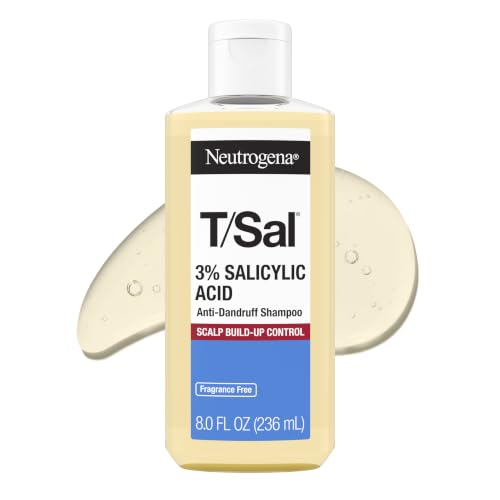
Neutrogena T/Sal 3% Salicylic Acid Anti-Dandruff Shampoo (8 fl oz)
The Short Version
- Nizoral 1% ketoconazole is the best dandruff shampoo overall: the strongest antifungal sold over the counter and the active most often suggested first for seborrheic dermatitis.
- Selenium sulfide, as in Head & Shoulders Clinical Strength and Selsun Blue, is the best second active, especially for oily scalps and dandruff that keeps coming back.
- Pyrithione zinc is the gentle everyday option for mild dandruff; salicylic acid lifts thick scale, and coal tar is for psoriasis-type scaling and intense itch.
- Leave any medicated shampoo on the scalp for three to five minutes, and rotate to a different active, not just a different brand, if results fade.
- Inflammation from dandruff can add to shedding, and that shedding usually settles once the scalp is treated. See a dermatologist if four to six weeks of consistent use has not helped.
On This Page · 12 sections
The best dandruff shampoo for most people is Nizoral, the 1% ketoconazole shampoo sold over the counter, but the more useful answer is that the right shampoo depends on its active ingredient. Almost every effective dandruff shampoo on the shelf is built on one of a handful of actives that the FDA recognizes for dandruff and seborrheic dermatitis: ketoconazole, selenium sulfide, pyrithione zinc, salicylic acid and coal tar, with sulfur appearing in a few formulas. Because these shampoos are regulated as over-the-counter drugs, the active and its strength are printed in the Drug Facts box on every bottle. Read that box first and you have done most of the work.
On a hair loss site, dandruff deserves more attention than it usually gets. Dandruff and its more inflamed relative, seborrheic dermatitis, are driven largely by the scalp's reaction to Malassezia, a yeast that lives on everyone's skin. The inflammation and constant scratching that come with it can add to shedding and make thinning hair look sparser, and the two problems often turn up in the same person. Getting the scalp under control is one of the cheapest, fastest wins in any hair routine.
This is our broad buyer's guide to dandruff: how the active classes compare, which one suits an oily, dry, sensitive or scaly scalp, and how to rotate them when one stops working. If you have already settled on ketoconazole, our guide to the best ketoconazole shampoo goes deeper on Nizoral sizes, the 2% prescription and its role in hair loss. If itch is your main complaint and you are not sure flakes are the cause, our guide to the best shampoo for itchy scalp sorts products by the reason you itch. We ranked the eight shampoos below on the evidence behind each active, the strength it delivers, how well it suits different scalps, tolerability and value, based on published research, label directions and buyer feedback. Every pick links to its exact Amazon listing, matched by ASIN.
The Four Dandruff Active Classes, Explained
Every effective dandruff shampoo in the US is built on an active ingredient recognized under the FDA's over-the-counter rules for dandruff and seborrheic dermatitis, or, in ketoconazole's case, approved as an over-the-counter drug in its own right. The active is listed in the Drug Facts box, and it determines how the shampoo works far more than any claim on the front of the bottle. Two shampoos with the same active and strength will behave similarly whatever their packaging and price.
The actives fall into four practical classes. Ketoconazole is the most potent antifungal available without a prescription and the usual first choice for seborrheic dermatitis. Selenium sulfide is also an antifungal, but it slows the rapid skin-cell turnover that produces flakes as well, which makes it a strong second option, especially for oily scalps. Pyrithione zinc is a milder antifungal and antibacterial, gentle enough for daily use, and it is the active in most everyday anti-dandruff shampoos, usually at 1%. Salicylic acid and coal tar make up the fourth class: they do not target yeast at all, but salicylic acid lifts thick scale and coal tar slows cell turnover and calms itch.
the active matters more than the brand
That split is why the active matters more than the brand. If one antifungal stops helping, switching to another brand with the same active rarely changes much, while switching to a different class attacks the problem from a different angle. It also explains why the scale-lifting class works best as a partner to an antifungal rather than a replacement: most dandruff is driven by yeast, and salicylic acid and coal tar leave the yeast alone.
| How It Works | Best For | Watch Out For | |
|---|---|---|---|
| Ketoconazole 1% | Potent antifungal | Moderate to stubborn dandruff; seborrheic dermatitis; thinning hair | Dryness on long hair |
| Selenium sulfide 1% | Antifungal; slows cell turnover | Oily scalps; recurring flakes | Can discolor light or treated hair |
| Pyrithione zinc 1-2% | Antifungal and antibacterial | Mild dandruff; daily use; maintenance | Too mild for severe cases |
| Salicylic acid / coal tar | Lifts scale / slows turnover, calms itch | Thick build-up; psoriasis-type scaling | Dryness; tar stains and sun sensitivity |
How to Choose the Right Dandruff Shampoo for Your Scalp
Match the shampoo to what your scalp is actually doing. The same white flakes on your shoulders can come from different problems, and the best dandruff shampoo for an oily, inflamed scalp is not the best one for a dry, sensitive scalp. Start with the description below that fits you best, give it four weeks of consistent use, and step up a level if it is not enough.
Oily scalp with greasy, yellowish flakes
This is classic seborrheic dermatitis territory, and it calls for the strongest over-the-counter antifungals. Start with Nizoral two or three times a week, or Head & Shoulders Clinical Strength Advanced Oil Control if you prefer selenium sulfide. On other wash days use Head & Shoulders Classic Clean or another regular shampoo. Avoid heavy conditioners and oils on the scalp itself, since Malassezia feeds on oil.
Dry, tight scalp with small white flakes
Small, powdery flakes can be mild dandruff or simply dry skin. Begin with a gentle pyrithione zinc shampoo such as CeraVe Hydrating Anti-Dandruff, avoid very hot water, and condition the lengths. If flakes persist after a few weeks, add Nizoral once or twice a week rather than switching to a harsher daily shampoo.
Sensitive or color-treated hair
If fragranced products make your scalp sting, or you are protecting light or colored hair, pyrithione zinc and ketoconazole are the safer actives, since selenium sulfide and coal tar can discolor light hair. CeraVe and Head & Shoulders BARE are the gentlest bases here. If your itch began after a new product, the product may be the cause; our guide to the best shampoo for itchy scalp covers contact allergy in detail.
Thick, crusty or silvery scale
Scale that sticks to the scalp needs lifting before an antifungal can work, so add Neutrogena T/Sal once or twice a week. If the scale forms thick, well-defined plaques, especially beyond the hairline or on elbows and knees, it may be psoriasis rather than dandruff; MG217 coal tar can help, and a dermatologist can confirm the diagnosis.
The 8 Best Dandruff Shampoos, by Active Ingredient
Our picks cover all four active classes, so you can match the shampoo to your scalp and build a rotation from the same list. They are ranked on the evidence behind each active, its strength, how well it suits different scalps, tolerability and value.
Nizoral Anti-Dandruff Shampoo with 1% Ketoconazole, Fresh Scent (7 fl oz)
1% Ketoconazole Shampoo
Best for: Moderate to stubborn dandruff, seborrheic dermatitis, and anyone also worried about shedding
- Active
- 1% ketoconazole
- Class
- Azole antifungal
- Size
- 7 fl oz
- Use
- Every 3-4 days, per label
Ketoconazole is the most potent antifungal you can buy in an over-the-counter dandruff shampoo, and Nizoral is the benchmark product. It targets Malassezia yeast directly, and it is the active dermatologists most often reach for first when flaking comes with redness, greasy scale or itch. The label directs use every three to four days for up to eight weeks, then as needed, so a 7-ounce bottle lasts longer than its size suggests.
It is also the dandruff shampoo with the most relevance to hair loss. By calming scalp inflammation it removes one source of extra shedding, and small studies, mostly of the 2% prescription strength, have reported modest improvements in hair density in pattern hair loss. That evidence is limited, so treat it as a bonus rather than a reason to skip minoxidil, but it is why Nizoral turns up in so many hair loss routines.
The trade-offs are cosmetic. Ketoconazole can leave longer or color-treated hair feeling dry or rough, and the label notes possible changes in hair texture. Condition the lengths after use and wash with a gentler shampoo on other days. Skip it if you have a known sensitivity to azole antifungals, and if you want the detail on sizes and the 2% prescription, see our best ketoconazole shampoo guide.
What We Liked
- Most potent over-the-counter antifungal for dandruff and seborrheic dermatitis
- Only needed a couple of times a week, so cost per wash is low
- Small published evidence base for hair density as a bonus
- Pairs well with minoxidil and other hair loss treatments
What We Didn't
- Can dry out long or color-treated hair
- Clinical scent and thin texture
- Not designed as an everyday shampoo
The Bottom Line
The dandruff shampoo to try first if flakes are more than mild, and the natural pick if you are also thinning.
CeraVe Hydrating Anti-Dandruff Shampoo, Itchy Scalp Treatment (12 oz)
Pyrithione Zinc Anti-Dandruff Shampoo
Best for: Mild to moderate dandruff on a scalp that also feels tight, dry or easily irritated
- Active
- Pyrithione zinc (per listing)
- Supporting
- Ceramides, hyaluronic acid, niacinamide
- Labeled for
- Dandruff, itchy scalp
- Size
- 12 oz
Many dandruff shampoos treat the flakes but leave the scalp feeling stripped, which is a problem if your skin is already dry or reactive. CeraVe's Hydrating Anti-Dandruff Shampoo pairs pyrithione zinc, a long-established anti-dandruff active, with the ceramides, hyaluronic acid and niacinamide the brand uses across its skin care. The aim is to control the yeast-driven flaking while supporting the scalp's skin barrier.
That combination makes it our pick for the dry-and-flaky scalp, the kind that harsher medicated shampoos tend to make worse. Pyrithione zinc is generally gentle enough for frequent washing, so this can be your main shampoo for mild dandruff or the in-between shampoo on days you are not using ketoconazole or selenium sulfide. Buyer feedback describes less itch and fewer flakes without the squeaky, tight feel of some medicated formulas.
Skip it if your dandruff is moderate to severe or your scalp is very oily; pyrithione zinc may not be strong enough, and ketoconazole or selenium sulfide will do more. It is also a newer line with a shorter track record than the drugstore staples. As with any medicated shampoo, massage it into the scalp and leave it on for a few minutes before rinsing.
What We Liked
- Established anti-dandruff active in a barrier-friendly base
- Gentle enough for frequent use
- Good in-between shampoo in a rotation
- Drugstore price
What We Didn't
- Pyrithione zinc may not control stubborn flaking
- Less oil-removing power for very oily scalps
- Shorter track record than older brands
The Bottom Line
The best dandruff shampoo for a dry, sensitive scalp that needs treatment without being stripped.
Head & Shoulders Clinical Strength Advanced Oil Control Anti-Dandruff Shampoo, 1% Selenium Sulfide (13.5 fl oz)
1% Selenium Sulfide Shampoo
Best for: Oily scalps and dandruff that everyday pyrithione zinc shampoos have not cleared
- Active
- 1% selenium sulfide
- Class
- Antifungal; slows cell turnover
- Labeled for
- Stubborn dandruff, oil control
- Size
- 13.5 fl oz
Head & Shoulders' everyday shampoos use pyrithione zinc, but the Clinical Strength line steps up to 1% selenium sulfide, an antifungal that also slows the rapid skin-cell turnover behind visible flakes. This Advanced Oil Control version is pitched at the scalp that goes greasy fast and flakes anyway, which is a common pairing, because Malassezia feeds on scalp oils.
It is our top selenium sulfide pick and the best second active on this list. If a pyrithione zinc shampoo has not done enough, this is a logical step up, and if Nizoral works but your dandruff keeps returning, alternating the two gives you two different antifungals in the same week. It lathers and rinses more like a regular shampoo than many medicated formulas, which helps people actually stick with it.
Selenium sulfide labels warn that it can discolor bleached, tinted, gray or permed hair, so rinse thoroughly and be cautious with very light or freshly colored hair. It is fragranced, so it is not for scent-sensitive skin, and it can feel drying on a scalp that is already dry. Skip it if you have oil but no flakes; a regular oil-control shampoo is enough for that.
What We Liked
- 1% selenium sulfide handles stubborn flaking well
- Suits oily scalps that also flake
- Different antifungal to rotate with ketoconazole
- More pleasant to use than many medicated shampoos
What We Didn't
- Can discolor light, gray or chemically treated hair if not rinsed well
- Fragranced
- Can be drying on an already dry scalp
The Bottom Line
The best selenium sulfide shampoo, and the first rotation partner for Nizoral.
Head & Shoulders BARE Soothing Hydration Anti-Dandruff Shampoo, 1% Pyrithione Zinc (13.5 fl oz)
1% Pyrithione Zinc Shampoo
Best for: Mild dandruff in people who want a medicated shampoo with fewer extras
- Active
- 1% pyrithione zinc
- Free of
- Sulfates, silicones, dyes (per listing)
- Labeled for
- Dandruff, dry scalp relief
- Size
- 13.5 fl oz
Plenty of shoppers want a dandruff shampoo without sulfates or a long ingredient list, and most so-called natural dandruff shampoos either leave out a recognized active or use a weak one. Head & Shoulders BARE gets around that: it keeps the familiar 1% pyrithione zinc, and the listing describes the formula as free of sulfates, silicones and dyes.
For mild dandruff, that is a sensible middle ground. Pyrithione zinc reduces Malassezia and calms flaking and itch, and the gentler cleansing base suits people who found classic Head & Shoulders too harsh or too heavily perfumed. It also works well with color-treated hair, since pyrithione zinc does not carry the discoloration warning that selenium sulfide and coal tar do.
Skip it if your scalp is very oily, because sulfate-free cleansers remove less oil, and Malassezia thrives on it. Fewer extras is also not the same as fragrance-free, so check the label if you are allergy-prone. If flakes persist after a few weeks of regular use, move up to ketoconazole or selenium sulfide.
What We Liked
- Real anti-dandruff active in a sulfate-free base
- Free of silicones and dyes, per listing
- No discoloration risk for light or colored hair
What We Didn't
- Less oil removal for very oily scalps
- Not necessarily fragrance-free
- Too mild for stubborn seborrheic dermatitis
The Bottom Line
The pick for sulfate-free shoppers who still want an active that works.
Head & Shoulders Classic Clean Anti-Dandruff Shampoo, 1% Pyrithione Zinc (28.2 fl oz)
1% Pyrithione Zinc Shampoo
Best for: Mild dandruff and keeping flakes away once a stronger shampoo has cleared them
- Active
- 1% pyrithione zinc
- Use
- Everyday
- Role
- Main shampoo or maintenance
- Size
- 28.2 fl oz
Head & Shoulders Classic Clean is the shampoo most people picture when they think of dandruff, and for mild flaking it remains one of the most cost-effective answers. It contains 1% pyrithione zinc, an established active with antifungal and antibacterial activity, in a formula mild enough for daily washing, and the large 28.2-ounce bottle makes it one of the cheapest medicated shampoos per ounce.
It earns its place in two ways. For light dandruff, it may be all you need. For more stubborn cases, it is a good everyday base around a stronger active: Nizoral or a selenium sulfide shampoo two or three times a week, and this on the other wash days, so the scalp still gets some antifungal action between treatment washes. Once flakes are under control, it also works as a maintenance shampoo to stop them creeping back.
Skip it if your scalp is simply dry rather than flaky, since a moisturizing shampoo will help more, or if fragrance irritates your skin. If a few weeks of consistent use has not cleared your flakes, that is your cue to step up to ketoconazole or selenium sulfide rather than to buy a different pyrithione zinc shampoo.
What We Liked
- Proven anti-dandruff active in an everyday formula
- Very low cost per ounce
- Good maintenance shampoo between stronger actives
What We Didn't
- Not strong enough for stubborn seborrheic dermatitis
- Fragranced
- Large bottle is a commitment if it does not suit you
The Bottom Line
The cheapest sensible everyday dandruff shampoo, alone for mild flakes or as the base of a rotation.
MG217 Psoriasis Shampoo and Conditioner with 0.5% Coal Tar (8 fl oz)
Coal Tar Medicated Shampoo
Best for: Thick scaling, intense itch, scalp psoriasis and seborrheic dermatitis that antifungals alone have not cleared
- Active
- 0.5% coal tar
- Class
- Slows cell turnover; anti-itch
- Format
- Shampoo and conditioner in one
- Size
- 8 fl oz
Coal tar is one of the oldest dandruff and psoriasis treatments, and it remains an FDA-recognized over-the-counter active for dandruff, seborrheic dermatitis and psoriasis. It works differently from the antifungals on this list: rather than targeting yeast, it slows the overly rapid skin-cell turnover that builds scale and helps calm itch. MG217 is a long-standing psoriasis brand, and this formula combines 0.5% coal tar with a built-in conditioner, according to its listing.
For ordinary dandruff, coal tar is overkill. Where it earns a place is the scalp with thick, stubborn scaling and severe itch, especially if psoriasis is part of the picture, or seborrheic dermatitis that keeps flaring despite ketoconazole. Most people use it a few times a week in rotation with an antifungal shampoo. Buyer feedback reports meaningful relief from itch and scale, and many find it less unpleasant than older tar shampoos, though it still has a noticeable odor.
The trade-offs are real. Coal tar can stain or discolor light, blond or gray hair, and it can make treated skin more sensitive to sunlight, so rinse well and protect your scalp outdoors. Ask a doctor before using it if you are pregnant or breastfeeding, and see a dermatologist if plaques are thick, widespread or extend beyond the hairline.
What We Liked
- Different mechanism from antifungals, useful in rotation
- Targets thick scale and intense itch
- Built-in conditioner offsets the dry feel of tar
What We Didn't
- Overkill for ordinary dandruff
- Can stain light or gray hair; increases sun sensitivity
- Noticeable odor
The Bottom Line
Reserve it for psoriasis-type scaling and severe itch, used alongside an antifungal.
Selsun Blue Medicated Anti-Dandruff Shampoo with Menthol, Maximum Strength 1% Selenium Sulfide (2 x 11 fl oz)
1% Selenium Sulfide Shampoo
Best for: Budget buyers who want selenium sulfide for persistent flakes
- Active
- 1% selenium sulfide
- Extra
- Menthol
- Size
- 2 x 11 fl oz
- Role
- Main treatment or rotation
Selsun Blue has been a drugstore staple for decades, and its Maximum Strength Medicated formula delivers the same 1% selenium sulfide as Head & Shoulders Clinical Strength for less money per wash, especially in this two-pack. The menthol adds a cooling tingle that many people with itchy dandruff like.
It is a solid workhorse rather than a pleasant shampoo. The finish is more squeaky and the scent more medicinal than the Head & Shoulders option, but the active and strength are the same, and on a rotation schedule where you only use it once or twice a week, two bottles last a long time. Choose it if price matters more to you than feel.
The usual selenium sulfide cautions apply: rinse thoroughly if your hair is blond, gray or color-treated, and condition the lengths if it leaves hair dry. Menthol can sting an inflamed or broken scalp, so pick the Head & Shoulders version if that is you. Selsun Blue sells several formulas with different actives and strengths, so check the Drug Facts box says 1% selenium sulfide when you reorder.
What We Liked
- Same 1% selenium sulfide as pricier options
- Low cost per wash in a two-pack
- Menthol soothes itch for many people
What We Didn't
- Harsher feel and more medicinal scent
- Menthol may sting an inflamed scalp
- Can discolor light or chemically treated hair
The Bottom Line
The cheapest way to add selenium sulfide to your routine.
Neutrogena T/Sal 3% Salicylic Acid Anti-Dandruff Shampoo (8 fl oz)
3% Salicylic Acid Shampoo
Best for: Thick, crusty scale and flakes that cling to the scalp
- Active
- 3% salicylic acid
- Class
- Keratolytic (lifts scale)
- Size
- 8 fl oz
- Role
- Clears the way for an antifungal
Salicylic acid is not an antifungal. It is a keratolytic, meaning it loosens and lifts the dead skin that builds up into thick, stuck-on scale. That makes T/Sal the best tool on this list for scalp build-up and crusty patches, and a smart partner to an antifungal: T/Sal clears the scale so ketoconazole or selenium sulfide can reach the skin underneath. At 3%, it sits at the top of the range allowed in over-the-counter dandruff products.
A practical way to use it is once or twice a week, either on its own wash day or as a first lather before your antifungal shampoo, massaged directly into the scaly areas. It is a long-standing dermatologist favorite for exactly this job, and you need only a modest amount when you work it into the patches that matter.
Skip it if your flakes are light and loose; an antifungal alone is likely enough, and salicylic acid does nothing about the yeast behind most dandruff. It can be drying and may sting irritated skin, so do not use it daily, and avoid it on broken skin. If your scale looks thick, silvery and sharply edged, have a dermatologist check for psoriasis.
What We Liked
- 3% salicylic acid lifts thick, adherent scale
- Helps antifungal shampoos reach the scalp
- Long-established formula
What We Didn't
- Does not target the yeast behind dandruff
- Can be drying or sting irritated skin
- Smaller bottle than drugstore dandruff shampoos
The Bottom Line
Use it when scale build-up is the problem, alongside an antifungal rather than instead of one.
Dandruff, Seborrheic Dermatitis and Hair Shedding
Dandruff sits at the mild, non-inflamed end of a spectrum; seborrheic dermatitis is the more inflamed end, with redness, greasy yellowish scale and itch that can spread to the eyebrows, the sides of the nose and behind the ears. Both are linked to Malassezia. Everyone carries the yeast, but some people's skin reacts to the oily byproducts it produces, and oil production, stress, cold dry weather and some medical conditions can all make that reaction flare.
Dandruff does not cause pattern baldness, but it can make hair loss worse. Inflammation around the follicles and frequent scratching can add to day-to-day shedding, and a red, flaky scalp makes thinning hair look sparser than it is. Seborrheic dermatitis is also common in people who have pattern hair loss, so the two problems often arrive together and are easy to confuse. Many people notice that the hair in the drain settles once their scalp is under control.
Dandruff does not cause pattern baldness, but it can make hair loss worse.
The reassuring part is that shedding linked to scalp inflammation is usually reversible once the inflammation is treated. Pattern hair loss is not, and it will not respond to a dandruff shampoo alone. If you have both flaking and gradual thinning at the crown or hairline, treat the scalp first because it is the quickest, cheapest win, then build a proper hair loss routine around minoxidil and, for men, a conversation with a doctor about finasteride.
Ketoconazole is the natural bridge between the two. It is the strongest over-the-counter dandruff active, and small studies, mostly of the prescription 2% strength, have reported modest improvements in hair density in pattern hair loss. A small study comparing ketoconazole with pyrithione zinc shampoo reported some benefit with both. That research is limited and not a reason to rely on shampoo for regrowth, but it is a sound reason to choose Nizoral if you are flaking and thinning at the same time.
How to Use a Dandruff Shampoo So It Actually Works
The most common reason a dandruff shampoo seems not to work is that it never had the chance. Medicated shampoos need contact time: massage the lather into the scalp itself, not just the hair, and leave it on for three to five minutes before rinsing. Applying it at the start of your shower and rinsing at the end is the easiest way to make that a habit.
Frequency depends on the active, so follow the label. The Nizoral label directs use every three to four days for up to eight weeks, then as needed. Selenium sulfide labels typically suggest at least twice a week. Pyrithione zinc shampoos are generally mild enough for daily washing. In practice, most people with moderate dandruff do best with a strong antifungal two or three times a week and a gentler shampoo on the other days.
Dandruff tends to come back if you stop entirely, so think of it as ongoing management rather than a one-time cure.
Once flaking is controlled, many people can drop to a treatment wash once or twice a week for maintenance. Dandruff tends to come back if you stop entirely, so think of it as ongoing management rather than a one-time cure. Condition the lengths of your hair after medicated washes to offset dryness, but keep heavy conditioners and oils off a flake-prone scalp.
If you also use minoxidil, wash first and let the scalp dry fully before applying it, and leave several hours between applying minoxidil and your next wash so you do not rinse away the dose. If minoxidil itself makes your scalp itch or flake, the culprit may be propylene glycol in the liquid rather than dandruff, and a foam formula is often better tolerated.
Rotating Dandruff Shampoos When One Stops Working
Many people find a dandruff shampoo works well for a while and then seems to fade. Before blaming the shampoo, check the basics: inconsistent use and rinsing too quickly are the usual causes. If you are using it correctly and results still slip, the answer is to rotate to a different active class, not to buy another brand of the same ingredient. Dermatologists commonly suggest alternating actives for dandruff that keeps returning.
The simplest rotation pairs two antifungals that work differently: ketoconazole on two days a week and selenium sulfide on one, with a pyrithione zinc or gentle shampoo on any other wash days. If thick scale is part of the problem, add salicylic acid once a week as a first lather to loosen it before your antifungal. Coal tar can stand in for the salicylic acid day when psoriasis-type scaling or severe itch is the issue.
rotate to a different active class, not to buy another brand of the same ingredient
Give any new routine four to eight weeks before judging it, and change one thing at a time so you can tell what helped. If you are still flaking, red or itchy after that, or if scaling has spread to your face, ears or eyebrows, it is time for a dermatologist. Prescription options such as 2% ketoconazole, ciclopirox shampoo and short courses of topical steroids clear most cases that over-the-counter products do not.
| Treatment Washes | Other Wash Days | Add If Needed | |
|---|---|---|---|
| Mild dandruff | Pyrithione zinc daily or as needed | Same shampoo | Ketoconazole once a week |
| Moderate or oily | Ketoconazole 2x a week | Pyrithione zinc | Selenium sulfide 1x a week |
| Keeps coming back | Ketoconazole 2x + selenium sulfide 1x | Gentle or pyrithione zinc | Dermatologist review |
| Thick scale | Antifungal 2x a week | Gentle shampoo | Salicylic acid or coal tar 1x a week |
Safety Notes and When to See a Dermatologist
Medicated dandruff shampoos are safe for most adults when used as directed, but each active has its quirks. Selenium sulfide and coal tar can discolor light, gray or chemically treated hair, so rinse thoroughly. Coal tar can increase sun sensitivity on treated skin. Ketoconazole and salicylic acid can be drying, and menthol can sting an inflamed scalp. Keep all medicated shampoos out of your eyes, avoid them on broken or infected skin, and stop any product that causes burning, swelling or a rash.
If you are pregnant or breastfeeding, or treating a child, check with a doctor or pharmacist before using medicated shampoos, particularly coal tar. Anyone with a known allergy to azole antifungals should avoid ketoconazole.
Not every flaky scalp is dandruff.
Not every flaky scalp is dandruff. Dry scalp, contact dermatitis from hair products, psoriasis and fungal infections can all look similar. See a dermatologist if flaking has not improved after four to six weeks of consistent use, if your scalp is very red, painful, weeping or bleeding, if you have thick plaques that extend beyond the hairline, or if you are losing hair in patches. Patchy hair loss with scaling, particularly in children, can signal a scalp fungal infection that needs oral treatment rather than shampoo.
Compared Side by Side
| Product | Active | Class | Size | Best For |
|---|---|---|---|---|
| Nizoral 1% | 1% ketoconazole | Antifungal | 7 fl oz | Stubborn dandruff, thinning hair |
| CeraVe Hydrating Anti-Dandruff | Pyrithione zinc | Antifungal | 12 oz | Dry or sensitive scalp |
| H&S Clinical Oil Control | 1% selenium sulfide | Antifungal | 13.5 fl oz | Oily, recurring dandruff |
| H&S BARE | 1% pyrithione zinc | Antifungal | 13.5 fl oz | Sulfate-free shoppers |
| H&S Classic Clean | 1% pyrithione zinc | Antifungal | 28.2 fl oz | Everyday and maintenance |
| MG217 Coal Tar | 0.5% coal tar | Turnover slower | 8 fl oz | Psoriasis-type scaling |
| Selsun Blue Max Strength | 1% selenium sulfide | Antifungal | 2 x 11 fl oz | Budget rotation |
| Neutrogena T/Sal | 3% salicylic acid | Keratolytic | 8 fl oz | Thick build-up |
Ready to Buy? Our Picks Again
- 1Check Price →
- 2Check Price →
Best for Dry or Sensitive Scalp
CeraVe Hydrating Anti-Dandruff Shampoo, Itchy Scalp Treatment (12 oz) - 3Check Price →
Best for Stubborn, Oily Dandruff
Head & Shoulders Clinical Strength Advanced Oil Control Anti-Dandruff Shampoo, 1% Selenium Sulfide (13.5 fl oz) - 4Check Price →
Best Sulfate-Free Dandruff Shampoo
Head & Shoulders BARE Soothing Hydration Anti-Dandruff Shampoo, 1% Pyrithione Zinc (13.5 fl oz) - 5Check Price →
Best Value Everyday Shampoo
Head & Shoulders Classic Clean Anti-Dandruff Shampoo, 1% Pyrithione Zinc (28.2 fl oz) - 6Check Price →
Best Coal Tar for Psoriasis-Type Scaling
MG217 Psoriasis Shampoo and Conditioner with 0.5% Coal Tar (8 fl oz) - 7Check Price →
Best Budget Selenium Sulfide
Selsun Blue Medicated Anti-Dandruff Shampoo with Menthol, Maximum Strength 1% Selenium Sulfide (2 x 11 fl oz) - 8Check Price →
Best for Scalp Build-Up
Neutrogena T/Sal 3% Salicylic Acid Anti-Dandruff Shampoo (8 fl oz)
Common Mistakes to Avoid
Choosing by Brand Instead of Active
The front of the bottle tells you very little; the Drug Facts box tells you what the shampoo actually does. Two shampoos from the same brand can contain completely different actives, and two from different brands can be essentially the same. Pick the active class that fits your scalp first, then choose the bottle you like using.
Switching Brands, Not Actives, When Results Fade
If a pyrithione zinc shampoo stops helping, another pyrithione zinc shampoo is unlikely to do better. Move to a different class, such as ketoconazole or selenium sulfide, or alternate two antifungals through the week. That change of mechanism is what dermatologists mean when they suggest rotating.
Lathering and Rinsing in Thirty Seconds
Medicated actives need time on the skin. Work the lather into the scalp rather than the lengths and leave it for three to five minutes before rinsing. Most people who say dandruff shampoo does not work for them have simply never given it the contact time the label intends.
Stopping as Soon as the Flakes Clear
Dandruff is a chronic, recurring condition, not an infection you cure once. If you stop medicated washes entirely, flakes usually return within weeks. Drop to a maintenance wash once or twice a week instead, and step back up at the first sign of a flare, especially in winter or during stressful periods.
Blaming Dandruff for All Your Hair Loss
Treating dandruff can calm inflammation-driven shedding, but it will not stop pattern hair loss. If your hair is thinning at the crown or hairline, or your part is widening, a dandruff shampoo is a helpful first step, not the whole answer. Add an evidence-based treatment such as minoxidil, and see a doctor about patchy or sudden loss.
Frequently Asked Questions
What is the best dandruff shampoo?
For most people, the best dandruff shampoo is Nizoral, which contains 1% ketoconazole, the most potent antifungal sold over the counter. Use it as the label directs, typically two or three times a week, leaving it on for three to five minutes. For oily, recurring dandruff, Head & Shoulders Clinical Strength with selenium sulfide is the best alternative or rotation partner.
What is the best shampoo for dandruff and dry scalp?
Choose a gentle pyrithione zinc shampoo such as CeraVe Hydrating Anti-Dandruff, which pairs the active with barrier-supporting ingredients, and condition the lengths of your hair. Avoid very hot water. If flakes persist after a few weeks, add Nizoral once or twice a week rather than using a harsher shampoo every day.
Is ketoconazole or selenium sulfide better for dandruff?
Both are effective antifungals. Ketoconazole is generally considered slightly more potent and is the usual first choice for seborrheic dermatitis, while selenium sulfide also slows skin-cell turnover and suits oily scalps well. Many people get the best long-term results by alternating the two through the week.
Can dandruff cause hair loss?
Dandruff does not cause permanent baldness, but the scalp inflammation and scratching that come with dandruff and seborrheic dermatitis can add to shedding and make thinning look worse. That shedding usually improves once the scalp is treated. Gradual thinning at the crown or hairline is more likely pattern hair loss, which needs its own treatment.
How often should I use dandruff shampoo?
Follow the label, since frequency depends on the active. Ketoconazole is typically used every three to four days, selenium sulfide at least twice a week, and pyrithione zinc can usually be used daily. Once flaking is controlled, a medicated wash once or twice a week is often enough for maintenance.
Why does my dandruff shampoo stop working?
Usually the cause is inconsistent use or rinsing too quickly. If you are using it correctly and results fade, rotate to a different active class, for example from pyrithione zinc to ketoconazole, or alternate ketoconazole with selenium sulfide. If nothing has helped after four to six weeks, see a dermatologist.
Is dandruff shampoo safe for color-treated hair?
Pyrithione zinc and ketoconazole shampoos are generally fine for color-treated hair, although ketoconazole can be drying. Selenium sulfide and coal tar can discolor light, gray or chemically treated hair, so rinse thoroughly or choose a different active if you have blond or freshly colored hair.
Is it dandruff, dry scalp or psoriasis?
Dry scalp tends to produce small, white, powdery flakes and a tight feeling, often worse in winter. Dandruff and seborrheic dermatitis produce larger, oily or yellowish flakes, often with itch and redness. Psoriasis forms thick, silvery, sharply edged plaques that can extend past the hairline. If you are unsure, or a shampoo has not helped, a dermatologist can tell them apart quickly.
The Bottom Line
The best dandruff shampoo is the one with the right active for your scalp. Nizoral's 1% ketoconazole is our top pick for most people and the natural choice if you are also thinning. Head & Shoulders Clinical Strength is the best selenium sulfide option for oily, recurring dandruff, CeraVe is the gentlest effective pick for a dry or sensitive scalp, and T/Sal or MG217 handle thick scale and psoriasis-type itch alongside an antifungal. Leave any of them on for three to five minutes, rotate classes rather than brands when results fade, and see a dermatologist if your scalp has not improved in four to six weeks.
More Buyer's Guides
Hair Growth & Hair Loss
Best Ketoconazole Shampoo
Ketoconazole is a proven dandruff fighter with a small but intriguing body of evidence for hair loss. Over the counter, one brand dominates, so the smarter questions are which size to buy, how to use it, and what to rotate it with.
Hair Care
Best Shampoo for Itchy Scalp
Most itchy scalps come down to one of four things: dandruff and seborrheic dermatitis, a reaction to a product, psoriasis, or plain dryness. Each responds to a different shampoo, and using the wrong one can make the itch worse.
Hair Care
Best Shampoo for Oily Hair
Oily hair is mostly down to hormones and genetics, not something you did wrong. The right daily shampoo removes sebum efficiently without leaving your scalp tight or your ends dry, and washing more often will not make it worse.
Hair Care
Best Scalp Scrub
A good scalp scrub clears product buildup, excess oil and dead skin that shampoo leaves behind. It will not regrow hair, and the wrong one can irritate. These are the physical and chemical scalp exfoliants worth using, and who should skip them.