The Short Answer
To make hair look thicker, wash with a lightweight volumizing shampoo, condition only the ends, apply mousse or root spray to damp roots, and blow-dry against the direction it falls. A layered cut helps too. If your hair has genuinely thinned, styling only hides it; see a dermatologist and ask about treatments such as minoxidil.
Top Picks: Best Hair Thickening Products
 Check Price
Best Overall
Bumble and bumble Thickening Full Form Soft Mousse (5 oz)
 Check Price
Best Value
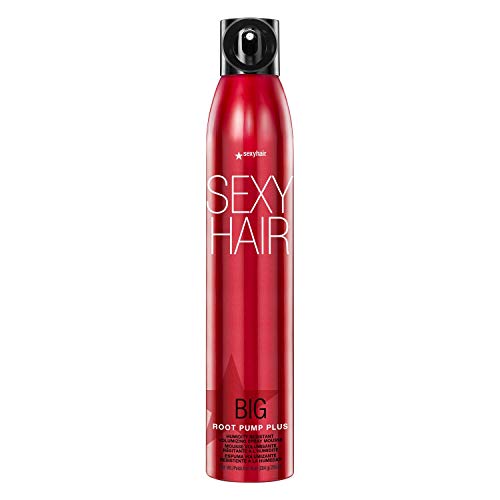
SexyHair Big Root Pump Plus Volumizing Spray Mousse (10 oz)
 Check Price
Best Blow-Dry Cream
Living Proof Full Thickening Blow-Dry Cream (4 oz)
Written by HairGrowthReviews Editorial Team
Reviewed by Ernesta Malinauskytė, PhD, Director of Hair Research, TRI Princeton
Updated 2026-11-24 · Independently researched · How we review
We may earn a commission when you buy through our links, at no cost to you. As an Amazon Associate we earn from qualifying purchases. How we research
The Short Version
- Thick hair is a mix of strand diameter, density (how many hairs you have) and volume (how the hair sits); styling only changes volume.
- Flat hair is often caused by oil, heavy products or buildup at the roots, so washing and lighter products are the first fix.
- Blow-drying the roots against their natural direction, a layered cut and texture or root-lift sprays add the most visible volume.
- Hair fibres, toppers and coloring can make thinning hair look denser while you sort out the cause.
- Genuine thinning needs a diagnosis; minoxidil has the best evidence for over-the-counter regrowth, and men may be offered finasteride.
- Oils, biotin and supplements only help if you are deficient or have a specific scalp issue; they do not make normal hair denser.
On This Page · 10 sections
How to make hair thicker, how to get thicker hair and how to add volume to hair are some of the most searched hair questions there are, and they often hide two different problems. One is cosmetic: your hair is healthy but fine, limp or flat, and you want it to look fuller. The other is medical: you have fewer hairs than you used to, or each hair has become finer, because of hair loss.
The fixes are completely different. Volumizing products, haircuts and blow-drying can transform fine or flat hair in minutes, but they do nothing to change how many hairs grow from your scalp. If your hair is genuinely thinning, the right move is to find out why, because some causes are very treatable.
This guide covers both. First we explain what thick hair actually means. Then we cover how to fix flat hair and add volume through washing, products, cutting and styling, followed by the cosmetic camouflage options for thinning hair, and finally what can genuinely make hair denser. If you want a ready-made shortlist of products, our guide to the best hair thickening products ranks the shampoos, sprays and treatments we recommend.
What Makes Hair Thick? Diameter, Density and Volume
When people say they want thick hair, they usually mean one or more of three separate things. Strand diameter is how wide each individual hair is; fine hair has narrow strands and coarse hair has wide ones. Density is how many hairs grow per square inch of scalp, and it is what people mean when they search how to make dense hair. Volume is how much space your hair takes up, which depends on diameter and density but also on texture, length, haircut and styling.
Strand diameter and density are mostly set by your genes, your age and your hormones. You cannot create new follicles with shampoo or oil. What you can change quickly is volume, by making hair stand away from the scalp, adding texture so strands do not lie flat against one another, and removing whatever is weighing it down.
You cannot create new follicles with shampoo or oil.
This matters because it tells you which fixes to try. If your hair has always been fine but you have plenty of it, styling is the answer. If your parting has widened, your ponytail is smaller, or you can see more scalp than you used to, the problem is likely density, and styling will only hide it. Our article on how much hair loss is normal per day helps you judge whether shedding is excessive.
| What it means | Can you change it? | |
|---|---|---|
| Strand diameter | Width of each hair | Not much; products can coat strands slightly |
| Density | Number of hairs on the scalp | Only by treating hair loss, or by transplant |
| Volume | How full the hair looks | Yes, with washing, cutting and styling |
How to Fix Flat Hair
Flat hair usually has a simple cause. The most common is oil: sebum from the scalp coats the roots and makes fine hair cling to the head, often within a day of washing. Heavy conditioner, leave-ins, oils and silicone-rich products near the roots do the same. Product and mineral buildup from hard water can leave hair limp and dull, and long hair is pulled flat by its own weight.
Start by washing more often if your roots go flat quickly. There is no rule that you must wash less; people with fine or oily hair often need to wash daily or every other day. Use a lightweight or volumizing shampoo and focus it on the scalp. If your hair feels coated, use a clarifying shampoo once a week or so to strip buildup. Our article on why your hair is so oily explains the causes of greasy roots, and our guide to the best clarifying shampoo covers options for buildup.
Flipping your parting to the other side gives instant lift at the roots
Next, condition only from the mid-lengths to the ends, and keep heavy masks, oils and creamy leave-ins away from the roots. If you love hair oil, use a drop or two on the very ends; our guide to the best hair oil for fine hair covers lighter options. On days between washes, a dry shampoo at the roots absorbs oil and adds grip.
Finally, think about habits. Sleeping on the same side, wearing hats, and always parting in the same place all train hair to lie flat. Flipping your parting to the other side gives instant lift at the roots, because the hair is pushed against its usual direction.
How to Add Volume to Hair: Styling That Works
Most of the volume you see in salon blow-dries comes from technique rather than product. These steps work for most straight, wavy and fine hair, and many apply to thin hair too.
Hair sets in the shape it is in as it dries
1. Apply a root-lift product to damp hair
Towel-dry gently, then apply a volumizing mousse or root-lift spray directly at the roots, section by section. These products contain light polymers that coat the base of each strand and help it hold the shape you dry it into. Use a modest amount; too much can make hair sticky and heavy.
2. Rough-dry upside down or against the grain
Flip your head upside down, or push the roots in the opposite direction to how they normally fall, and blow-dry until the roots are dry. Hair sets in the shape it is in as it dries, so drying the roots lifted away from the scalp is the single most effective volume trick.
3. Finish with a round brush
Use a round brush to lift sections up and away from the scalp as you finish drying, directing the airflow from roots to ends to smooth the cuticle. Smaller brushes give more lift and bend; larger brushes give smoother, bouncier volume. Our guide to the best round brush for fine hair covers the options, and a hot air brush can do the same job in one step.
4. Set the shape
Let each section cool before you release it; hair holds its shape as it cools. Velcro or heated rollers at the crown while you do your makeup give lasting lift, and our guide to the best heated rollers covers those.
5. Add texture
A texture spray or dry shampoo sprayed into the mid-lengths and roots adds grip, so strands sit apart instead of collapsing together. This is especially useful on very fine, silky hair. Our guide to the best texture spray for fine hair compares options. Gentle backcombing at the crown also adds height, but do it sparingly and brush it out carefully, as it can cause breakage.
Haircuts and Color That Make Hair Look Thicker
A good haircut is one of the quickest ways to make hair look thicker. Fine hair usually looks fullest at shoulder length or shorter, because there is less weight pulling it flat. Blunt ends make the hemline look denser than wispy, heavily thinned-out ends. Long layers or face-framing layers add movement without stripping away too much bulk; ask your stylist not to over-thin fine hair with thinning shears.
Color can help too. Permanent hair color and highlights slightly swell the hair's outer layer, which can make strands feel a little thicker and more textured. Adding dimension with lowlights and highlights also creates the illusion of depth. Reducing the contrast between your hair and scalp, for example by coloring very dark hair a touch lighter on a light scalp, makes thinning less obvious. Weigh this against the damage coloring can cause, and use a gentle routine afterward; our guide to the best at-home hair color covers options.
A good haircut is one of the quickest ways to make hair look thicker.
For men, a shorter cut with a little length and texture on top usually looks fuller than long, flat hair. A matte pomade, clay or paste adds grip and separation without the shine that can reveal scalp. Our guide to the best pomade for thin hair compares options, and if you are asking how to make thin hair look thicker as a man, a shorter, textured cut is the best place to start.
Our #1 pick for hair thickening products
Bumble and bumble Thickening Full Form Soft Mousse (5 oz)
The best all-round thickening styler for fine hair: visible fullness that still looks and feels like hair.
How to Make Thin Hair Look Thicker: Camouflage Options
If your hair has genuinely thinned, the styling advice above still helps, but you may want more coverage while you work out the cause or wait for treatment to work. Several cosmetic options can make a big visual difference.
Hair fibres are tiny colored fibres that cling to existing hairs with static and fill in sparse areas, especially at the parting and crown. They wash out and work best when you still have some hair for them to cling to. Contrary to some online worries, they are not known to cause hair loss; our article on whether hair fibers cause hair loss explains, and our guide to the best hair fibers for thinning hair ranks them.
They wash out and work best when you still have some hair for them to cling to.
Toppers are partial hairpieces that clip into existing hair to add density on top, and they suit women with diffuse thinning at the crown and parting. Our guide to the best hair topper for thinning hair covers them. Extensions, including halo extensions, add length and bulk lower down, but clip-in and tape-in extensions can cause traction on fragile hair, so choose lightweight options and give your hair breaks. Thickening shampoos and conditioners can coat strands to make them feel a little fuller, though the effect is modest; our guide to the best shampoo and conditioner for thin hair compares them.
How to Make Hair Grow Thicker: When Thinning Is Real
If you have genuinely lost density, the goal changes from adding volume to treating the cause. The most common cause is pattern hair loss, known as androgenetic alopecia, which affects both men and women. Others include telogen effluvium, a temporary shed after illness, surgery, childbirth, crash dieting or severe stress; iron deficiency and thyroid problems; tight hairstyles that cause traction alopecia; and patchy conditions such as alopecia areata. A dermatologist can usually tell these apart and may order blood tests.
For pattern hair loss, minoxidil is the best-studied over-the-counter treatment. It can slow loss and, for some people, regrow and thicken miniaturized hairs, although results take several months and stop if you stop using it. Our articles on how minoxidil works and how long minoxidil takes to work explain what to expect, and our guides to the best minoxidil for women and the best minoxidil for men compare products. Men may also be offered finasteride, and women are sometimes prescribed other medications by their doctor. Low-level laser devices have some evidence, with modest results.
Nutrition matters only when something is missing.
Some people ask how to thicken hair naturally. Rosemary oil has a small amount of research behind it, including one small trial comparing it with low-strength minoxidil, but the evidence is limited and not strong enough to rely on for real hair loss; our article on whether rosemary oil really grows hair covers it honestly. Scalp massage has a little early evidence. Castor oil, onion juice and most popular oils have little or no good evidence for increasing density.
Nutrition matters only when something is missing. Iron, vitamin D and protein deficiencies are linked to hair shedding, and correcting a confirmed deficiency can help. But biotin and hair vitamins are unlikely to thicken hair in people who are not deficient, and high-dose biotin can interfere with some blood tests. Our articles on whether biotin really helps hair growth and which vitamin deficiency causes hair loss go into detail. And no, shaving does not make hair grow back thicker; our article on that myth explains why.
Everyday Habits That Keep Hair Looking Thicker
Breakage makes hair look thinner even when density is fine, because the ends become sparse and uneven. Protect the length you have: use a heat protectant, keep hot tools at moderate temperatures, avoid very tight ponytails and buns, and detangle gently from the ends up. Our guides to how to prevent hair breakage and the best heat protectant spray cover this in more detail.
Be gentle with wet hair, which is more fragile. Blot with a towel rather than rubbing, and do not brush hard while it is soaking. A silk or satin pillowcase reduces friction overnight. Regular trims keep ends blunt and full.
Breakage makes hair look thinner even when density is fine
Finally, give it time. If you start a treatment for thinning, it usually takes several months to see a difference, because hair grows slowly and new hairs need time to reach a visible length. Our article on how to make your hair grow faster explains the realistic pace of growth.
Frequently Asked Questions
How can I make my hair thicker fast?
For an instant difference, wash with a volumizing shampoo, condition only the ends, apply mousse to damp roots and blow-dry them upside down or against their usual direction. A texture spray, a flipped parting and a blunt, shoulder-length cut all help. These add volume, not new hairs.
How do I fix flat hair?
Wash away oil and buildup more often, use a lightweight shampoo, keep conditioner and oils off the roots, and use dry shampoo between washes. Then dry the roots lifted away from your scalp and switch your parting.
How do you make dense hair?
Density, the number of hairs on your scalp, is mostly genetic. You cannot add follicles with products. If your density has dropped, see a dermatologist; treating the cause, for example with minoxidil for pattern hair loss, can help some miniaturized hairs regrow and thicken.
How can I make thin hair look thicker as a man?
Keep it shorter, with some length and texture on top, use a matte pomade or clay rather than shiny products, and blow-dry for lift. Hair fibres can hide a thinning crown. If you are losing hair, see a doctor about minoxidil or finasteride.
Does any oil make hair thicker?
No oil has strong evidence for increasing hair density. Rosemary oil has a small amount of early research, but it is limited. Oils can make hair look healthier and reduce breakage, but heavy oils at the roots will make fine hair flatter.
Can vitamins make your hair thicker?
Only if you are deficient. Correcting a confirmed iron, vitamin D or protein deficiency can reduce shedding, but biotin and hair vitamins are unlikely to thicken hair in people with normal levels.
When should I see a doctor about thinning hair?
See a doctor or dermatologist if you notice a widening parting, a receding hairline, patches, sudden heavy shedding, or scalp itching, pain or redness. Many causes are treatable, and earlier treatment usually works better.
The Bottom Line
To make hair look thicker, keep the roots clean and light, condition only the ends, apply a root-lift product, dry the roots lifted away from your scalp, and choose a blunt, lightly layered cut. Texture sprays, fibres and toppers add more. But styling only changes volume, not density. If your hair has genuinely thinned, see a dermatologist to find the cause; minoxidil has the best evidence among over-the-counter treatments, and supplements and oils help only in specific situations.
Related Questions
- How to Make Your Hair Grow Faster: 12 Tips That Actually Help →
- How to Prevent Hair Loss and Thinning: 10 Steps That Work →
- How to Prevent Hair Breakage: Causes, Fixes and Daily Habits →
- Why Is My Hair So Oily? Why Hair Gets Greasy So Fast and How to Fix It →
- Does Rosemary Oil Really Grow Hair? →
- What Is Biotin, and Does It Really Help Hair Growth? →
- Does Shaving Make Hair Grow Back Thicker? The Myth, Explained →
- How Much Hair Loss Is Normal Per Day? →
- What Hair Type Do I Have? A Simple Guide From 1A to 4C →
Buyer's Guides
Hair Care
Best Texture Spray for Fine Hair
A good dry texture spray is the fastest way to turn flat, slippery fine hair into full, touchable, lived-in volume. Here are the best texturizing sprays and root lifters to buy.
Hair Care
Best Shampoo and Conditioner for Thin Hair
A good shampoo and conditioner pair can make thin hair look fuller, feel lighter and break less. Here is how to tell fine hair from thinning hair, which pairs suit each, and how they fit alongside treatments like minoxidil.
Hair Tools
Best Round Brush for Fine Hair
Fine hair can look flat by lunchtime, but the right round brush changes everything. A lightweight ceramic or boar-blend barrel in the right size gives you lift at the root, a smooth finish and a blowout that lasts. Here are the brushes we love most.
Hair Care
Best Hair Fibers for Thinning Hair
Hair fibers are the closest thing to an instant fix for thinning hair. They do not grow anything, but a well-matched fiber, applied properly and locked in place, can make scalp show-through disappear for the whole day.
Hair Growth & Hair Loss
Best Hair Topper for Thinning Hair
A well-chosen topper covers a thinning crown or widening part in minutes and lets you keep your own hair everywhere else. The right one depends on the size of the area, the base it is built on, and how gently it attaches to hair that is already fragile.
Hair Growth & Hair Loss
Best Minoxidil for Women
Minoxidil is the only topical drug the FDA has approved to regrow hair in women. It comes in two women's forms, a 2% solution used twice a day and a 5% foam used once, and the choice between them matters more than the brand on the box.
Hair Growth & Hair Loss
Best Minoxidil for Men
Every product here contains 5% minoxidil, the only topical hair regrowth drug the FDA has approved for men. What separates them is the vehicle, how gentle they are on your scalp, and the value per month.
Men's Grooming
Best Pomade for Thin Hair
Shiny, heavy pomades clump fine hair into strands and show the scalp between them. Thin hair looks fuller with a matte clay, fiber or light cream, a small amount worked into dry hair, and the right cut. Here is what to use, how to apply it, and when to treat the thinning itself.
Hair Care
Best Clarifying Shampoo
A clarifying shampoo is a reset button for hair weighed down by product, oil, minerals or pool water. Used every week or few weeks, it makes hair lighter and your other products work better. Used too often, it dries hair and fades color.
Hair Tools
Best Heated Rollers
Hot rollers fell out of fashion, then came back because they solve a real problem: lasting volume without clamping hair in a hot iron. We ranked seven sets on volume, hold, heat, clips and ease of use, with extra weight on fine and thinning hair.
Hair Care
Best Hair Oil for Fine Hair
Fine hair can enjoy a hair oil, as long as it is the right one and you use far less than you think. Here are the lightweight oils that smooth and shine fine hair without flattening it, the pure oils that are lightest, and how to apply them so your hair keeps its volume.